


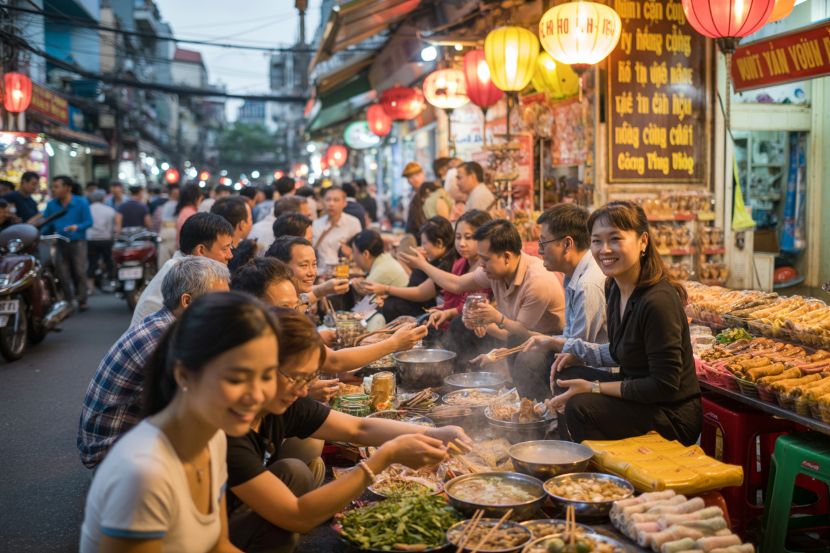
The Hidden Cost of Visiting Vietnam: Why Overcharging Foreign Tourists in Ho Chi Minh City, Da Nang, and Hanoi Needs to End—Essential Information Every Traveler Should Know
The Hidden Cost of Visiting Vietnam: Why Overcharging Foreign Tourists in Ho Chi Minh City, Da Nang, and Hanoi Needs to End—Essential Information Every Traveler Should Know
Vietnam’s tourism sector is booming, with millions of visitors flocking to the country’s scenic landscapes, bustling markets, and rich cultural heritage. However, an outdated practice persists in some corners of Vietnam: charging foreigners more for the same goods and services. This practice, though common in the past, stands in stark contrast to Vietnam’s modern, rapidly growing economy and burgeoning tourism industry. In places like Ho Chi Minh City, vendors have been known to overcharge based on a customer’s appearance, a habit that not only damages Vietnam’s reputation as a travel destination but also disrespects both locals and tourists alike. As Vietnam strives to become a leading tourism hub in Southeast Asia, the country must leave this practice behind in favor of fairness, inclusivity, and respect.
Outdated Practices That Undermine Vietnam’s Tourism Image
In recent years, Vietnam has emerged as one of Southeast Asia’s most sought-after destinations. With its incredible food scene, vibrant cities, and picturesque landscapes, the country is on the radar of more tourists than ever before. Despite this, there are still incidents where foreigners find themselves paying more for everyday goods, especially street food or small purchases in markets.
Overcharging based on appearance — particularly targeting non-Asian visitors — is a practice that, while historically rooted in scarcity and survival tactics during Vietnam’s conflict years, now feels out of place in a modern, thriving economy. The experience of being overcharged is not just a minor inconvenience but a signal of disrespect, perpetuating an image of Vietnam that is unfriendly and exploitative.
For instance, in Ho Chi Minh City, many tourists have shared their experiences of being charged higher prices than locals for the same items. This includes situations where tourists, based on their appearance or nationality, are charged more for street food, souvenirs, and even taxi rides. These practices, once a way to make ends meet in the aftermath of the war, no longer align with the values of a flourishing Vietnam, where respect, equality, and shared prosperity are the values the country should uphold.
Overcharging Incidents: Personal Experiences Highlight a Growing Problem
One traveler’s story highlights how persistent the problem can be. A foreign resident, fluent in Vietnamese, purchased sticky rice from a street vendor in Ho Chi Minh City — a regular occurrence until one day, the price jumped unexpectedly. The increase was unexplained, and when questioned in Vietnamese, the seller responded with verbal abuse, revealing the vendor’s discomfort when confronted about their unfair practices.
Such stories are not isolated. Many tourists share similar experiences, where pricing for goods or services seems arbitrary, based entirely on the vendor’s judgment of a person’s nationality or ethnicity. This sends the wrong message to visitors who expect fairness and transparency, not discrimination based on skin color.
The Economic and Social Costs of Overcharging Tourists
While the economic impact of a few extra dollars per transaction may seem insignificant, the long-term consequences are much more profound. As tourists continue to share their experiences, especially on social media, the reputation of the destination begins to suffer. Word spreads quickly, and potential visitors may choose to travel elsewhere rather than deal with unfair practices.
Overcharging not only affects foreign visitors but also damages the local economy. When tourists feel scammed or unwelcome, they are less likely to return, resulting in lost opportunities for small businesses that depend on repeat visitors. As Vietnam continues to grow its tourism sector, fostering an atmosphere of trust and fairness should be a top priority.
For street vendors and small businesses, charging a fair price based on the market value, rather than arbitrary distinctions between locals and tourists, can build long-term loyalty and boost Vietnam’s tourism reputation. This will attract more visitors, support local livelihoods, and create a positive cycle that benefits everyone involved.
Fair Pricing and the Modern Vietnam
Despite the challenges, Vietnam’s tourism landscape is undergoing significant improvements. Over the past few years, the country has modernized its tourist services, offering world-class attractions and better infrastructure for international visitors. Cities like Da Nang, Hanoi, and Ho Chi Minh City are increasingly becoming global hotspots, attracting travelers from around the world who expect fair treatment.
In many parts of Vietnam, attitudes toward foreign visitors are shifting, with a growing awareness that respect and equal treatment are key to attracting repeat tourists. Local businesses, including street vendors and small cafes, are slowly starting to recognize that a fair pricing system benefits everyone, not just foreign visitors.
Tips for Travelers: How to Avoid Being Overcharged
While the number of vendors engaging in overcharging practices is decreasing, it’s always good to stay vigilant as a tourist. Here are a few tips to avoid overpaying for goods and services in Vietnam:
Learn basic Vietnamese phrases: Understanding simple phrases can help you navigate situations where the price may change unexpectedly. Locals are often more willing to offer the correct price when they see you’re making an effort to communicate in their language.
Know the average prices: Doing a little research ahead of time about typical prices for street food, taxis, and services in the area can give you a clearer sense of what to expect.
Ask for receipts: Whether it’s at a restaurant or a shop, always request a receipt. This helps to avoid misunderstandings and gives you proof of what you paid.
Trust your instincts: If something doesn’t feel right, walk away. There are plenty of places where you can get the same goods or services at a fair price.
Vietnam’s Potential for a Brighter Future in Tourism
Vietnam’s tourism industry is poised to continue growing, and the country is gaining recognition as a top travel destination in Southeast Asia. However, to ensure this growth is sustainable and welcoming for all, it is vital that the country moves away from outdated practices like overcharging based on a person’s appearance. Fair pricing and respect for all visitors are essential to maintaining the country’s position as an attractive, inclusive destination.
As Vietnam works to become a leader in Southeast Asian tourism, the focus should be on fostering an atmosphere of mutual respect and understanding, which will enhance the country’s appeal to travelers and create a thriving, fair, and welcoming tourism economy for all.
The post The Hidden Cost of Visiting Vietnam: Why Overcharging Foreign Tourists in Ho Chi Minh City, Da Nang, and Hanoi Needs to End—Essential Information Every Traveler Should Know appeared first on Travel And Tour World.
Source: travelandtourworld.com



Sorry, the comment form is closed at this time.