


The Living Breath of Country: How Indigenous Language is Transforming Australian Tourism
The Living Breath of Country: How Indigenous Language is Transforming Australian Tourism
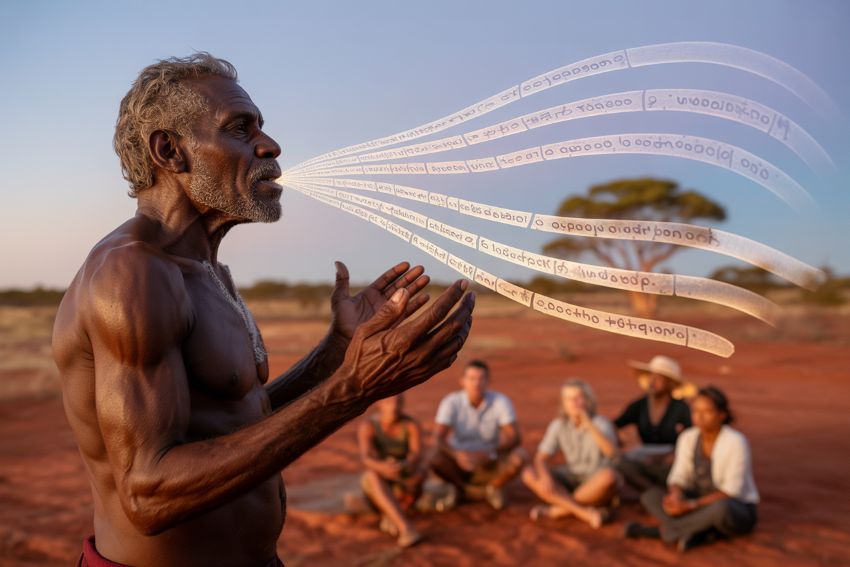
On February 21, 2026, International Mother Language Day highlighted Australia’s Aboriginal and Torres Strait Islander languages’ profound diversity and enduring resilience. Language is being promoted as a critical component of the national cultural tourism landscape by the Discover Aboriginal Experiences collective. This movement is viewed as more than just a tribute to heritage; it is a critical effort to ensure that the “voice” of the land is heard by those who pass through it.
Prior to colonisation, it is estimated that over 250 distinct Indigenous languages were spoken across the continent, with many of them consisting of intricate dialect networks. Today, however, the number of languages in daily use is estimated to be less than 150. Despite this decline, local communities are driving a compelling revitalisation narrative. These linguistic heritage projects aim to preserve and successfully transmit traditional knowledge to future generations.
Language as a Vessel for Cultural Wisdom
In the context of high-end and immersive travel, language is no longer viewed merely as a medium for communication. Instead, it is presented as a sacred vessel for cultural law, history, Songlines, and an unyielding connection to Country. Within the offerings of the Discover Aboriginal Experiences collective, language is seamlessly integrated into the visitor journey. This integration is achieved through traditional storytelling, the restoration of original place names, and ceremonial practices guided by Aboriginal custodians.
Living languages are encountered by visitors in their natural context. Whether through the formal spoken Welcome to Country or the learning of indigenous names for flora and fauna, the linguistic landscape is being reclaimed. These experiences allow travellers to move beyond a superficial observation of the wilderness, moving instead into a deeper understanding of the land’s sentient history.
Voices of the East: From Minjerribah to the Rainforest
In Queensland, the revitalization of speech is particularly evident. On North Stradbroke Island, also known as Minjerribah, guests are welcomed by Elisha Kissick of Yura Tours in Jandai—the ancestral tongue of the Quandamooka people. By hearing these sounds on the very sands where they have echoed for millennia, a unique bridge is built between the guide and the guest.
Further north in Bundaberg, the Taribelang language is utilized by Taribelang Bunda Cultural Tours to initiate every guest experience. This protocol ensures that the spiritual authority of the Traditional Owners is recognized from the outset. Meanwhile, at the Mossman Gorge Cultural Centre in Far North Queensland, the Eastern Kuku Yalanji language is taught to visitors as they move through the ancient Daintree rainforest. The names and medicinal uses of native plants are shared in their original tongue, ensuring that the botanical knowledge remains tethered to its cultural roots.
The Northern and Western Frontiers
The linguistic journey continues into the Northern Territory, where the Tiwi language is introduced to travellers by SeaLink NT. On the Tiwi Islands, language is recognized as being inextricably linked to art, ceremony, and individual identity. By hearing the Tiwi language spoken in its home environment, visitors are granted a rare insight into a culture that has remained fiercely protective of its linguistic soul.
In the rugged Kimberley region of Western Australia, the “Injiid Marlabu Calls Us” experience at El Questro offers a deeply emotional dimension to travel. Spoken language, blessings, and traditional songs are led by Custodians to create a ceremonial atmosphere. In these moments, language is utilized not just for information but to evoke a sense of spiritual belonging and respect for the ancient landscapes of the west.
A Policy of Preservation and Community Wellbeing
The significance of these initiatives was underscored by Nicole Mitchell, Executive Officer of Discover Aboriginal Experiences. It was stated that language sits at the heart of Indigenous identity. It is argued that when an Aboriginal-guided tour is joined by a visitor, more than just geographical facts are learnt; the specific sounds and stories belonging to that Country are absorbed. Furthermore, it is maintained that the support of language revival is directly correlated to the support of community wellbeing and cultural pride.
Educational Innovation: The Gumbaynggirr Example
A landmark example of this linguistic reclamation is found in New South Wales at the Gumbaynggirr Giingana Freedom School. This institution is distinguished as the only Aboriginal language school in Australia where a full curriculum is delivered in the Gumbaynggirr language. The school is grounded in a philosophy of community leadership and an educational connection to Country.
The influence of this movement extends into the tourism sector through the work of the school’s founder, Clark Webb. Through Wajaana Yaam Gumbaynggirr Adventure Tours, cultural tourism is centred on local knowledge and the Gumbaynggirr tongue. Guests are invited to participate in a living classroom where the water and the woods serve as the backdrop for linguistic immersion.
The Future of Australian Travel
As more travellers seek authenticity and “slow travel” experiences, Indigenous language is expected to play an increasingly important role in Australia. It is no longer enough to simply see the sights; there is an increasing desire to learn the land’s original names and comprehend the philosophy embedded in its grammar. Custodians across the country are working hard to ensure that Australia’s ancient languages continue to thrive, echoing through the valleys and coasts for all who care to listen.
The post The Living Breath of Country: How Indigenous Language is Transforming Australian Tourism appeared first on Travel And Tour World.
Source: travelandtourworld.com



Sorry, the comment form is closed at this time.