


The Shift in China’s Tourism: From Iconic Sites to Authentic Cultural Experiences
The Shift in China’s Tourism: From Iconic Sites to Authentic Cultural Experiences
In a surprising shift in tourism behavior, foreign tourists in China are increasingly choosing cultural immersion over traditional sightseeing, according to the National Immigration Administration (NIA). The rise in interest comes as the Lantern Festival approaches its peak, with foreign visitors now seeking more authentic experiences like temple fairs, local workshops, and customized stays in places like hot-spring homestays in Chongqing.
This trend, observed during the Spring Festival travel period, has shifted from the traditional practice of taking quick photographs at iconic locations like the Great Wall and the Forbidden City. Instead, tourists are now looking for deeper connections to China’s rich culture, involving themselves in activities such as bamboo-dance classes and Hainan coffee-roasting sessions. With visa-free travel options in place for visitors from 48 unilateral and 29 mutual-exemption countries, the number of travelers seeking an authentic Chinese experience has surged.
In fact, according to Fliggy, a major Chinese online travel agency, foreign bookings for multi-city itineraries have increased by 400% year-on-year, with travelers now planning trips to destinations like Changsha and Harbin, instead of relying solely on Beijing, Shanghai, or Guangzhou. This shows that secondary cities are increasingly attracting international visitors, marking a notable shift in tourist behavior.
Foreign Tourists Shift from Iconic Sights to Cultural Immersion in China
International visitors are no longer content with just ticking off the must-see attractions in China. Instead, they are increasingly drawn to immersive, hands-on experiences that allow them to connect with the local culture in a more meaningful way. This change in demand reflects a broader trend across global tourism, with travelers seeking more authentic, unique experiences rather than the typical tourist traps.
One of the most notable changes is the popularity of local art and craft workshops, where visitors can participate in bamboo-dance classes, create ceramics, and even engage in cooking lessons to learn the secrets behind traditional Chinese cuisine. This type of experience not only offers personalized activities but also fosters cultural exchange, allowing tourists to develop a deeper understanding of the Chinese way of life.
The rise of cultural tourism can also be attributed to the increasing number of digital tools like QR code-based mobile payments, which make it easier for tourists to access local experiences without relying on traditional travel agencies. This trend is particularly popular among younger travelers, who prefer using mobile apps to manage their trips and discover hidden gems off the beaten path.
China’s Multi-City Travel Boom: What’s Behind the New Demand for Secondary Destinations
According to data from Qunar, an online travel agency, multi-city travel has become a key trend for international tourists visiting China. In 2025, bookings for trips to more than 102 cities increased substantially, marking a significant shift away from traditional destinations like Beijing and Shanghai. Now, travelers are exploring smaller, lesser-known cities, such as Changsha, Harbin, and Xi’an, which were previously overshadowed by the larger urban centers.
This growth is in part driven by improved transportation and new rail routes that allow tourists to move more easily between cities. The trend reflects a broader desire for more diverse travel experiences, with visitors eager to explore China’s diverse landscapes, regional cultures, and local customs.
As more secondary hubs like Chongqing and Hangzhou gain popularity, these cities are benefiting from stronger international interest. Their unique cultural attractions, historic landmarks, and regional cuisines are increasingly becoming drawcards for international travelers seeking a more immersive experience.
Lantern Festival 2026: How Foreign Tourists Are Embracing China’s Vibrant Traditions
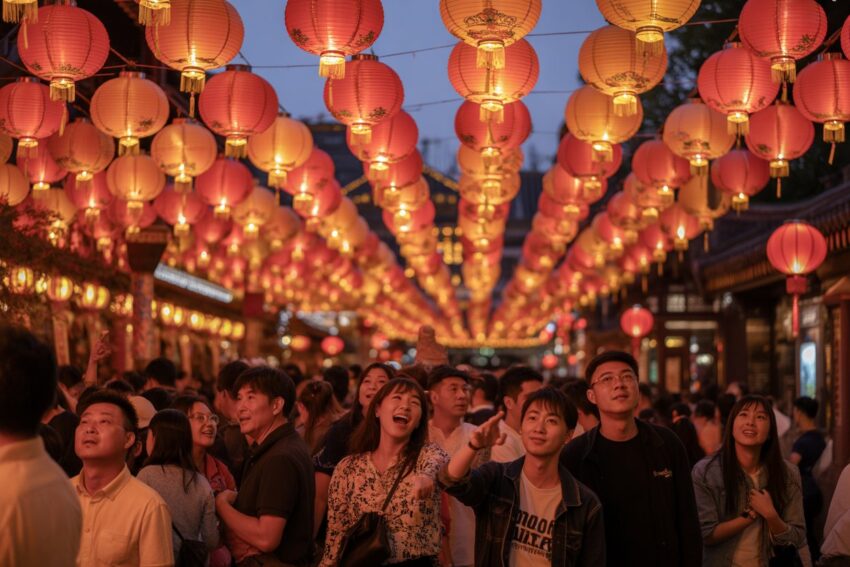
The Lantern Festival, which marks the end of the Spring Festival, is a key cultural event in China, and this year’s celebrations are expected to attract even more foreign visitors. The festival offers an opportunity for international travelers to experience traditional Chinese arts, such as lion dances, local crafts, and community gatherings. Visitors from around the world are flocking to China to witness these performances, take part in activities, and enjoy the festive atmosphere.
With visa-free entry and improved access to local experiences, travelers now have the chance to experience China’s rich cultural heritage in a way that is increasingly accessible and inclusive. As the Lantern Festival draws millions of visitors, it serves as a perfect example of China’s evolving tourism offerings, blending modern conveniences with deep cultural traditions.
China’s Evolving Tourism Landscape: Visa-Free Entry and New Travel Trends Drive Growth
The surge in tourism to China is not just due to its cultural richness; visa-free travel policies have played a key role in attracting more international visitors. With the introduction of the 240-hour transit waiver and e-visa platforms, foreign tourists now have easier access to the country, which has significantly boosted the visitor numbers from regions like Russia, Saudi Arabia, and the U.S..
As the tourism sector grows, China’s commitment to enhancing digital infrastructure, improving visitor services, and providing seamless travel experiences will ensure the country remains a top global destination for years to come. With ongoing efforts to improve visitor access, China’s tourism appeal is set to rise, especially in less-traveled cities and regions.
Conclusion: The Future of Tourism in China
China’s tourism landscape is undergoing a profound transformation. The growing demand for cultural immersion, combined with relaxed entry requirements and innovative technology, is reshaping how international visitors experience the country. With more authentic cultural offerings and increased access to secondary cities, China is poised for continued tourism growth in 2026 and beyond. As the Lunar New Year festivities culminate in the Lantern Festival, China’s tourism sector is experiencing a momentous rise, reaffirming its status as a global tourism powerhouse.
The post The Shift in China’s Tourism: From Iconic Sites to Authentic Cultural Experiences appeared first on Travel And Tour World.
Source: travelandtourworld.com



Sorry, the comment form is closed at this time.