


The Spiritual Heart of a Global Economy: How Al Masjid Al-Haram Redefines Saudi Arabia’s Trillion-Dollar Tourism Future
The Spiritual Heart of a Global Economy: How Al Masjid Al-Haram Redefines Saudi Arabia’s Trillion-Dollar Tourism Future
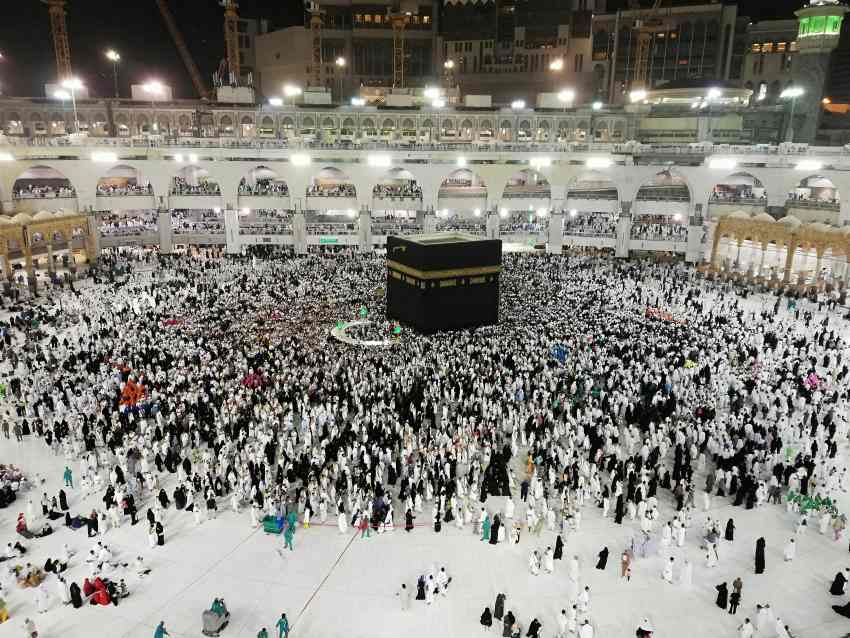
The grandeur of Al Masjid Al-Haram is no longer viewed solely through the lens of spiritual devotion; rather, it has become the central pillar of a monumental economic shift in the Kingdom of Saudi Arabia. According to Vision 2030’s strategic framework, the sanctuary will serve as the primary engine for a burgeoning religious tourism sector. This transformation is highlighted by the Third Saudi Expansion, an unprecedented architectural project that aims to increase the mosque’s capacity to accommodate over two million worshippers at once. The Saudi government has allocated billions of dollars to ensure that the physical boundaries of the Grand Mosque are expanded to meet the increasing global demand for pilgrimage. This physical expansion is mirrored by a sophisticated integration of modern urban planning and heritage preservation, ensuring that the site’s sanctity is maintained while cutting-edge engineering marvels are used to improve the visitor experience.
A Trillion-Dollar Vision for Diversified Prosperity
A significant departure from oil-reliant revenue models is being orchestrated through the strategic elevation of religious tourism. It is estimated that the broader tourism ecosystem, with Makkah at its core, will eventually contribute more than 10% to the national Gross Domestic Product (GDP). The financial scale of this transition is staggering, with the religious tourism market often cited as a cornerstone of the Kingdom’s trillion-dollar economic diversification plan. Higher targets have been set by authorities, aiming to host 30 million Umrah pilgrims annually by the end of the decade. This ambition is supported by massive capital investments in hospitality, retail, and logistics, creating a self-sustaining economic cycle that benefits both the state and the private sector. Through these initiatives, the Kingdom is being repositioned as a premier global destination where faith and economic innovation converge.
Strategic Infrastructure and Seamless Connectivity
The logistical challenges of hosting millions of international visitors are being addressed through a comprehensive overhaul of national infrastructure. The King Abdulaziz International Airport in Jeddah has been redesigned to serve as a high-capacity gateway, while the Haramain High-Speed Railway has been established to provide a rapid link between the holy cities of Makkah and Madinah. Within Makkah itself, the urban landscape is being reshaped by mega-projects such as the King Salman Gate and the Rou’a Al Haram Al Makki development. These projects are expected to provide tens of thousands of new hotel rooms and residential units, ensuring that the needs of a diverse global demographic are met. Furthermore, pedestrian-friendly zones and advanced crowd-management systems are being implemented to ensure that the movement of pilgrims is facilitated with maximum efficiency and safety.
The Digital Evolution of the Pilgrim Experience
A “smart pilgrimage” ecosystem is being fostered through the integration of cutting-edge technology and digital services. The “Pilgrim Experience Program,” a key Vision Realization Program, has been launched to streamline every touchpoint of the visitor’s journey. Electronic visa systems have been introduced, reducing processing times from weeks to mere minutes for many international travellers. Additionally, the Nusuk platform has been developed to provide a centralized digital interface for booking services, obtaining permits, and accessing educational content. In the Grand Mosque itself, AI-powered robots and sophisticated surveillance systems are being deployed to assist with inquiries and monitor crowd flow. These technological advancements are intended to ensure that the spiritual focus of the pilgrims is not hindered by administrative or logistical burdens.
Socio-Economic Impact and Local Empowerment
The expansion of the religious tourism sector is serving as a major catalyst for job creation and the empowerment of the Saudi workforce. It is projected that more than 1.6 million jobs will be generated within the tourism industry by 2030, with a significant portion of these opportunities located in the Hejaz region. Local hospitality standards are being elevated through specialized training programmes, ensuring that the traditional Saudi culture of hospitality is professionalized for a global audience. Furthermore, small and medium enterprises are being encouraged to participate in the supply chains of these mega-projects, ranging from catering services to the production of high-quality religious artefacts. This inclusive economic growth is designed to benefit the local population while providing world-class services to the “Guests of Allah”.
Preserving Heritage Amidst Modernity
While modernisation is the primary goal, the preservation of Islamic identity and historical heritage is still a top priority. The Ministry of Culture and various development authorities are working to rehabilitate historical sites related to the Prophet’s life and the early Islamic era. By incorporating these heritage sites into the larger tourism circuit, visitors can have a more comprehensive and enriching experience. The balance between the “New Makkah” and its ancient roots is meticulously maintained to ensure that the city’s spiritual essence is not lost amidst the towering skyscrapers and modern malls. Through this balanced approach, the Kingdom is successfully crafting a narrative that honours its glorious past while looking forward to a technologically advanced and economically stable future.
The post The Spiritual Heart of a Global Economy: How Al Masjid Al-Haram Redefines Saudi Arabia’s Trillion-Dollar Tourism Future appeared first on Travel And Tour World.
Source: travelandtourworld.com



Sorry, the comment form is closed at this time.