


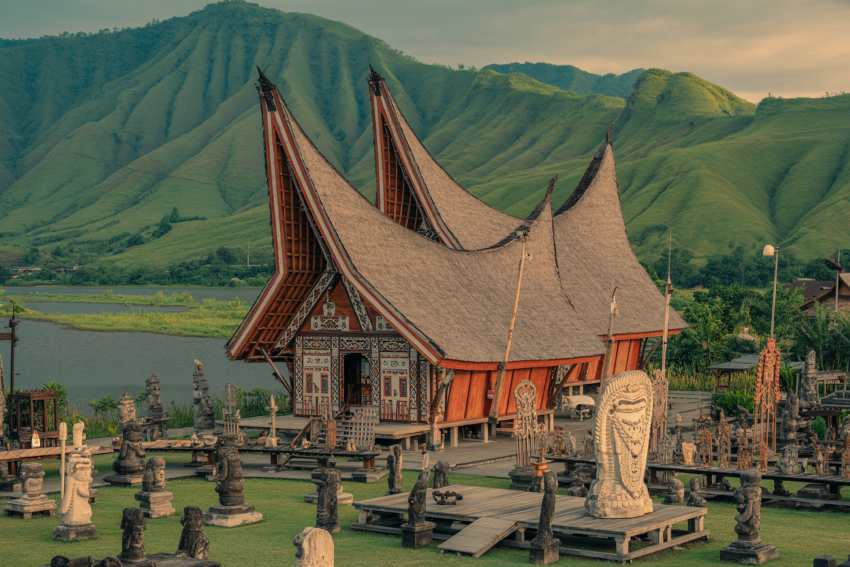
The Ultimate Guide to Indonesia’s Batak Heritage Museum: A Masterclass in Cultural Tourism and Local History
The Ultimate Guide to Indonesia’s Batak Heritage Museum: A Masterclass in Cultural Tourism and Local History
The landscape of Indonesian preservation is being reshaped by a renewed emphasis on local institutions, as highlighted during a recent high-level visit to North Sumatra. On February 7, 2026, Fadli Zon, Minister of Culture, paid a visit to the Batak Heritage Museum in Samosir. This visit was organised as part of a strategic national initiative to empower regional museums. This framework transforms local cultural repositories into sophisticated hubs for academic education and international tourism. By putting these institutions at the forefront of the national agenda, the richness of Indonesia’s diverse ethnic identities will be better shared with the rest of the world.
The Heart of Batak Identity in Pangururan
Located within the scenic Samosir Regency in Pangururan, the Batak Heritage Museum is recognized for its comprehensive display of artefacts that chronicle the social and historical trajectory of the Batak people. A deeply immersive experience is offered to visitors through a meticulously structured narrative. This storyline has been designed to guide guests through the complexities of Batak life, spanning from the practicalities of ancient daily existence to the profound spiritual significance of traditional ceremonies and sacred rituals. The museum serves as a critical bridge, connecting the ancestral past of the Lake Toba region with the contemporary identity of its descendants.
Lessons for a Global Audience
The importance of the museum extends far beyond the borders of North Sumatra. It was noted during the ministerial visit that significant insights into heritage preservation can be gained by the global community through the Indonesian model. Particular attention was drawn to how the museum illustrates the cultural evolution of the region, specifically documenting the shifts that occurred following the arrival of religious missions. The facility is regarded as an essential venue for anyone seeking a deep comprehension of the Batak ethos. Its extensive archives and clear thematic progression provide a rare, detailed look at a society that has navigated centuries of change while maintaining its core values.
A Model for Ethnographic Excellence
The museum’s ethnographic collection has received high acclaim for its depth and variety. Rare ceremonial staffs, intricate household implements, and symbolic royal pouches are among the many treasures housed within its walls. Because of this completeness, the institution is now being promoted as a benchmark for other regional museums across the Indonesian archipelago. It is expected that similar local institutions will follow this example, curating collections that serve as authentic representations of their respective community histories and identities. The standard set in Samosir is one of excellence, where artefacts are not merely stored but are used to tell a vibrant, living story.
Museums as Dynamic Learning Centers
A fundamental shift in the function of museums is being advocated by the Ministry of Culture. Rather than being treated as static exhibition halls, these spaces are being reimagined as active centres for lifelong learning. Within the Batak Heritage Museum, a holistic understanding of tradition is facilitated for every visitor. Insights are provided into which cultural practices remain vibrant today, which have adapted to modern influences, and which have gradually faded into history. This educational approach ensures that the “living” aspect of culture is prioritized, allowing the younger generation to engage with their roots in a way that is both relevant and intellectually stimulating.
Cultivating Economic Growth Through Culture
The long-term vision for the Batak Heritage Museum involves its continued evolution into a premier cultural reference point. This ambition encompasses local residents, Indonesian youth, and the growing influx of international travellers seeking authentic experiences. Beyond the realm of education, the museum is viewed as a significant catalyst for regional economic prosperity. By strengthening the appeal of cultural tourism, the museum contributes to the sustainable development of the Samosir Regency. It is anticipated that the synergy between heritage preservation and tourism will create new opportunities for the local population, ensuring that the protection of the past directly benefits the future of the community.
Strengthening the National Cultural Ecosystem
The visit to Samosir is part of a much larger policy overhaul directed by the Ministry of Culture in 2026. Efforts are being made to accelerate the designation of regional sites as national cultural heritages, with over 80 potential sites in Samosir alone being considered for upgraded status. This systematic strengthening of the cultural ecosystem is designed to foster a sense of national pride and unity. By investing in the infrastructure of memory—our museums and heritage sites—Indonesia is ensuring that its “Super Priority Destinations” like Lake Toba offer a depth of experience that is as intellectually rewarding as it is visually stunning.
A Journey Worth Taking
For the modern traveller, a visit to the Batak Heritage Museum is more than just a side trip; it is an essential encounter with one of Southeast Asia’s most resilient and fascinating cultures. The museum demonstrates how, when a community’s history is preserved with professional rigour and local passion, it becomes a beacon for the rest of the world to follow. As Samosir grows as a global tourism destination, this institution will undoubtedly remain the heart of the island, inviting all who visit to learn, reflect, and be inspired by the Batak people’s enduring spirit.
The post The Ultimate Guide to Indonesia’s Batak Heritage Museum: A Masterclass in Cultural Tourism and Local History appeared first on Travel And Tour World.
Source: travelandtourworld.com



Sorry, the comment form is closed at this time.