


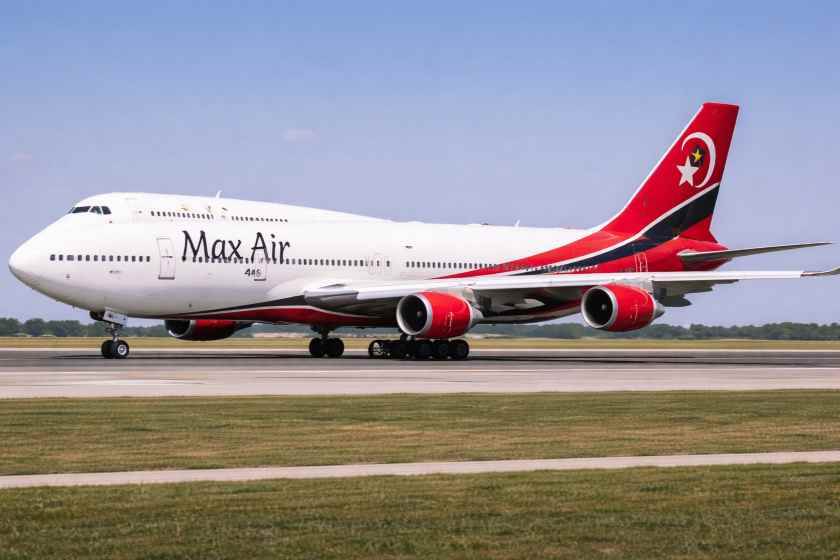
Think Jumbo Jets Are a Thing of the Past? Max Air’s Boeing 747 is Proving Otherwise
Think Jumbo Jets Are a Thing of the Past? Max Air’s Boeing 747 is Proving Otherwise
In a remarkable development for the Nigerian aviation sector, Max Air has successfully returned an iconic Boeing 747-400 to active service, significantly enhancing its capacity to serve both leisure and business travelers. After six months in storage at Pinal Airpark in Arizona, USA, the aircraft, registered as 5N-HMM, made its debut flight from the desert storage facility to Kano, Nigeria on February 11, 2026. This return marks a significant milestone for Max Air and Nigeria’s growing aviation industry, demonstrating the resilience of African carriers.
The Boeing 747, affectionately known as the “Queen of the Skies,” has been largely phased out by many major global airlines. However, Max Air has chosen to bring this massive aircraft back into service to meet the high demand for long-haul flights, especially for Hajj and Umrah pilgrimages, which see a huge influx of passengers traveling from Nigeria to Saudi Arabia.
Max Air’s Strategic Investment in Long-Haul Flights
Max Air’s decision to reactivate the Boeing 747 highlights a strategic move to meet the increasing demand for air travel, particularly for religious tourism. The 747’s high passenger capacity—able to carry hundreds of travelers and large volumes of cargo—makes it an ideal aircraft for operations during peak periods like the Hajj pilgrimage, when demand for flights from Nigeria to Saudi Arabia is especially high.
For Nigerian travelers, the return of the Boeing 747 offers much-needed relief in terms of seat availability, especially during periods of increased demand. The aircraft’s ability to accommodate more passengers ensures that travelers departing from Kano and other Nigerian hubs have more options to reach international destinations, particularly for long-haul flights to the Middle East.
Max Air, which has been operating within Nigeria’s aviation industry since its founding, is seizing the opportunity to enhance its fleet and offer passengers more comfortable travel options. The return of this iconic aircraft positions Max Air as a key player in Africa’s aviation landscape, showcasing the carrier’s capability to manage a diverse fleet that meets both tourism and cargo needs efficiently.
The Return of the Iconic Boeing 747
The Boeing 747 aircraft had spent six months in storage at Pinal Airpark, a well-known facility in Arizona where planes that are no longer in regular service are parked and preserved. The desert climate of Arizona is ideal for protecting these large aircraft against rust and corrosion, making it a prime location for long-term aircraft storage. Most planes that end up in Pinal Airpark are eventually dismantled for parts or scrapped, but Max Air’s decision to bring the aircraft back to life marks a refreshing departure from this typical fate.
The process of waking up a sleeping giant like the Boeing 747 is no small feat. It involves thorough maintenance and checks to ensure that the plane is fit for long-haul commercial flights. This extensive process was carried out at Pinal Airpark before the aircraft was cleared for takeoff, ensuring it met international safety standards and was ready for passenger service.
Boosting Tourism and Economic Growth in Nigeria
Max Air’s investment in reactivating this jumbo jet is more than just a technical achievement; it’s a strong indicator of growth in Nigeria’s tourism and aviation sectors. The return of such a significant aircraft not only improves Nigeria’s air connectivity but also enhances its appeal as a major tourism hub in West Africa. For both business and leisure travelers, this move opens up more opportunities to explore Nigeria’s diverse attractions, including its vibrant cities, cultural heritage, and natural wonders.
Nigeria’s tourism industry has been growing steadily in recent years, with increased interest in the country’s rich culture and history. Additionally, the growing middle class and improved infrastructure are contributing to higher demand for both domestic and international flights. The return of the Boeing 747 will likely attract more international visitors, making Nigeria a more accessible and convenient destination for travelers from around the world.
Furthermore, the presence of the Boeing 747 will boost employment within Nigeria’s aviation industry, supporting local jobs in airline operations, maintenance, and airport services. The ripple effect of this growth will be felt across multiple sectors, from hospitality and transportation to tourism services and local businesses that cater to the influx of international visitors.
A Symbol of Africa’s Resilience and Growth
While many airlines around the world are moving away from large, four-engine aircraft like the Boeing 747 in favor of more fuel-efficient twin-engine jets, Max Air is demonstrating how the African market still benefits from these iconic planes. The unique needs of the African market—particularly the demand for large-capacity aircraft during peak travel times—make the Boeing 747 relevant for the region.
As the aviation industry continues to recover from the pandemic, the return of this Jumbo Jet highlights the resilience of African carriers, who are finding innovative ways to meet the demand for air travel. Max Air’s decision to keep flying the Boeing 747 ensures that African travelers have access to a level of service that meets international standards while offering an authentic African experience.
Looking Ahead: Max Air’s Role in Nigeria’s Aviation Future
Max Air’s reactivation of the Boeing 747 signals a bright future for Nigerian aviation. The carrier’s forward-thinking approach to fleet management and its commitment to improving air connectivity within Africa will continue to have a lasting impact on both the tourism and business sectors. As international travel continues to rise, this historic move sets the stage for Max Air to remain a leading force in the growing African aviation market.
For travelers seeking to explore Nigeria or embark on long-haul journeys to destinations like Saudi Arabia, the return of the Boeing 747 offers more options, greater capacity, and enhanced comfort. This revival is a testament to the strength of Nigeria’s aviation sector and a symbol of the growing opportunities in African tourism.
The post Think Jumbo Jets Are a Thing of the Past? Max Air’s Boeing 747 is Proving Otherwise appeared first on Travel And Tour World.
Source: travelandtourworld.com


Sorry, the comment form is closed at this time.