


Travel Disruptions Hit South Korea as Korean Air and Philippine Airlines Cancel Five Major Flights Impacting Routes From Seoul to New York, Boston, Manila, and More
Travel Disruptions Hit South Korea as Korean Air and Philippine Airlines Cancel Five Major Flights Impacting Routes From Seoul to New York, Boston, Manila, and More
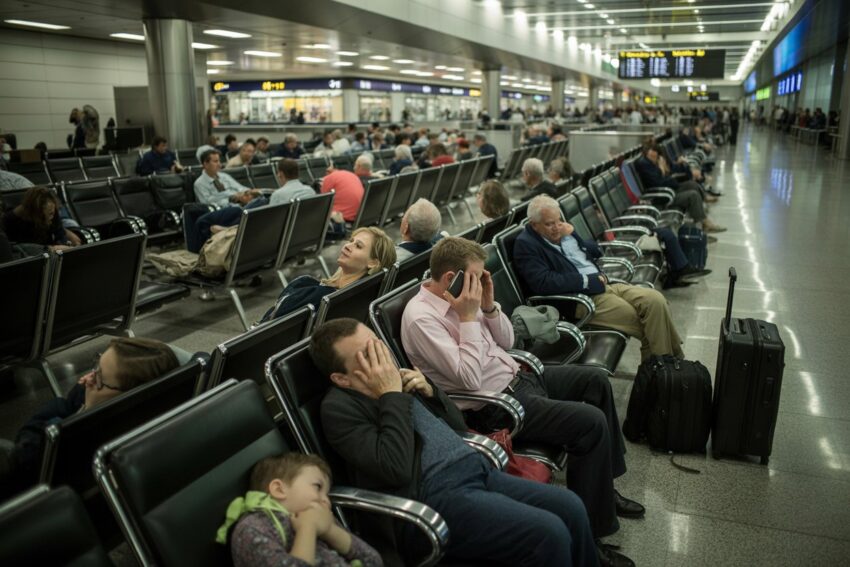
A total of five international departures were canceled at Incheon International Airport, directly affecting flights to Manila, New York, and Boston. These Incheon Airport flight cancellations disrupted key long-haul and regional routes linking South Korea with the United States and Southeast Asia, placing pressure on airline operations and passenger travel plans.
The cancellations were not limited to a single airline or destination. Instead, they reflected a broader operational challenge at one of Asia’s most important aviation hubs, with repeated schedule changes across consecutive days.
Airlines and Routes Impacted
Two international carriers were involved in the disruptions, with one airline accounting for the majority of canceled services.
Key airline impacts included:
Korean Air canceled flights on multiple transpacific routes to the US East Coast
Philippine Airlines cancellations affected a major regional connection between Seoul and Manila
Together, these cancellations reduced both passenger capacity and cargo movement on high-demand international corridors.
Complete List of Canceled Flights
AirlineFlight NumberAircraft TypeDestinationScheduled DeparturePhilippine AirlinesPAL403Airbus A330-300Manila International AirportMon 08:35 PM KSTKorean AirKAL85Boeing 777-300ERJohn F Kennedy International AirportSun 07:30 PM KSTKorean AirKAL85Boeing 777-300ERJohn F Kennedy International AirportMon 07:30 PM KSTKorean AirKAL81Airbus A380John F Kennedy International AirportMon 10:00 AM KSTKorean AirKAL91Boeing 777-300ERBoston Logan International AirportMon 09:10 AM KST
The data shows that New York experienced the highest concentration of disruptions, with three separate departures removed from the schedule.
Focus on US East Coast Connectivity
Most of the disruption centered on long-haul routes to the northeastern United States. Services to John F Kennedy International Airport and Boston Logan International Airport were both affected, significantly reducing seat availability on transpacific flights.
The cancellation of an Airbus A380 service to New York had an outsized impact, as this aircraft typically carries far more passengers than other widebody jets. Combined with two additional Boeing 777-300ER cancellations, the Seoul to New York flights canceled created a noticeable capacity gap on one of the busiest international routes.
Meanwhile, the single canceled Boston service led to a clear Seoul to Boston flight disruption, tightening options for travelers bound for Massachusetts.
What the Cancellation Pattern Indicates
The repetition of the same flight number being canceled on different days suggests ongoing operational constraints rather than a one-time disruption. These patterns often point to issues such as:
Limited aircraft availability
Crew scheduling challenges
Network adjustments to manage knock-on delays
When such issues arise at a major hub, they often contribute to broader International flight delays South Korea, affecting airline schedules beyond the initially canceled services.
Impact on Passengers and Airline Operations
For passengers, these Incheon Airport flight cancellations likely resulted in:
Rebooking onto later departures with fewer available seats
Longer travel times due to indirect routings
Possible changes in cabin class or travel dates
Long-haul flights operate with limited daily frequencies, making recovery slower when cancellations occur. Airlines typically attempt to reassign passengers to later services or partner carriers, but options can be constrained when multiple widebody aircraft are taken out of operation at the same time.
From an operational standpoint, canceling international long-haul flights forces airlines to reshuffle aircraft rotations, crews, and airport slots, often affecting multiple routes across the network.
Broader Implications for Incheon as a Global Hub
As South Korea’s primary international gateway, Incheon plays a critical role in global air travel. Disruptions at this hub quickly ripple across continents, especially when they involve transpacific services.
Key observations include:
High-demand routes are most vulnerable when large aircraft are grounded
Repeated cancellations slow recovery and compound passenger disruption
Reliability at major hubs is essential during peak travel periods
Conclusion
The five canceled departures highlight how operational challenges at a single hub can escalate into widespread schedule disruption. With Manila, New York, and Boston all affected, Incheon Airport flight cancellations underscored the fragility of long-haul networks during periods of constraint. As international demand remains strong, maintaining operational stability at hubs like Incheon will be critical to minimizing future disruptions and restoring traveler confidence.
The post Travel Disruptions Hit South Korea as Korean Air and Philippine Airlines Cancel Five Major Flights Impacting Routes From Seoul to New York, Boston, Manila, and More appeared first on Travel And Tour World.
Source: travelandtourworld.com


Sorry, the comment form is closed at this time.