


Travel Nightmare Strikes Asia as Indonesia, China, Japan and More Cancel 48 Flights and Delay 1513, Disrupting Batik Air, Xiamen Air, 9 Air, All Nippon, Asiana, Cathay Pacific, Hainan Airlines and Others in Harbin, Kagoshima, Beijing, Osaka and Beyond
Travel Nightmare Strikes Asia as Indonesia, China, Japan and More Cancel 48 Flights and Delay 1513, Disrupting Batik Air, Xiamen Air, 9 Air, All Nippon, Asiana, Cathay Pacific, Hainan Airlines and Others in Harbin, Kagoshima, Beijing, Osaka and Beyond
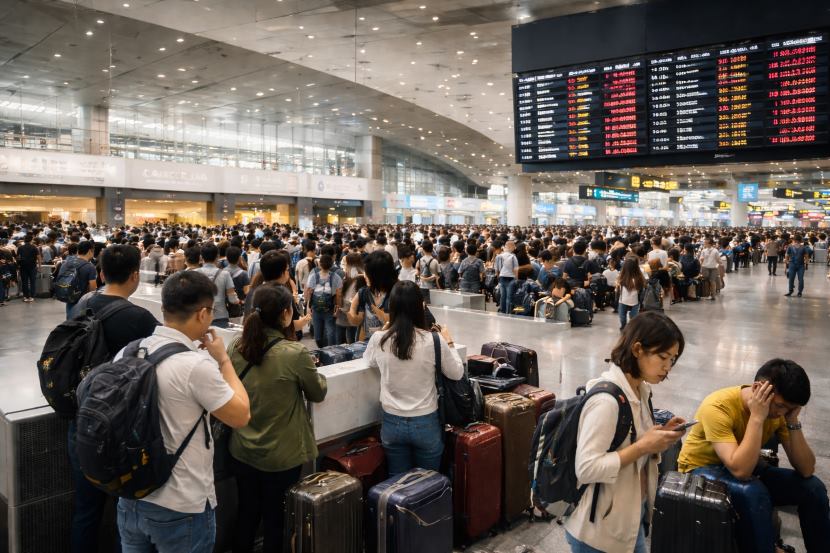
The travel chaos across Asia has reached alarming levels as major airports in Indonesia, China, Japan, and beyond grapple with significant flight cancellations and delays. With 48 flights canceled and a staggering 1,513 delays, passengers are being left stranded and frustrated as some of Asia’s busiest airlines struggle to manage operations. Batik Air, Xiamen Air, 9 Air, All Nippon, Asiana Airlines, Cathay Pacific, Hainan Airlines, and many others are at the heart of this disruption, as airports in Harbin, Kagoshima, Beijing, Osaka, and several other cities face the brunt of the crisis.
The Extent of the Disruption
The ripple effects of the travel disruption have been felt across major airports in the region, with the largest cancellations and delays hitting Jakarta Soekarno-Hatta, Sultan Hasanuddin, Harbin Taiping, and Shanghai Pudong. Passengers traveling to popular destinations in Asia and beyond are experiencing hours of uncertainty as airlines scramble to rebook flights and provide assistance.
Here’s a breakdown of the hardest-hit airports and the impact on travelers:
Jakarta Soekarno-Hatta: 9 flights canceled, with 92 delays. Jakarta’s main international airport is at the center of Indonesia’s flight troubles, with passengers left stranded as Batik Air and other carriers are unable to maintain their schedules.
Sultan Hasanuddin: 4 flights canceled, 67 delays. Makassar’s main airport in South Sulawesi faces significant challenges as delays ripple through the network, causing extensive waits for travelers bound for various international and domestic destinations.
Harbin Taiping: 4 flights canceled, 66 delays. This northern Chinese hub has experienced operational disruptions affecting regional flights, with passengers facing lengthy delays and confusion.
Guiyang Longdongbao: 2 flights canceled, 57 delays. The provincial capital of Guizhou sees ripple effects from the chaos, with travelers unable to board their flights as scheduled, leading to confusion and frustration.
Kagoshima: 4 flights canceled, 32 delays. Even smaller regional airports like Kagoshima in southern Japan are not immune to the disruption, as flights to and from this popular tourist destination face delays.
Shanghai Pudong: 2 flights canceled, 234 delays. Shanghai’s largest international airport is also struggling, with over 200 delays affecting travelers headed to international locations.
Chongqing Jiangbei: 2 flights canceled, 130 delays. A hub for western China, Chongqing is reeling from the disruption, with delays impacting both domestic and international flights.
Shanghai Hongqiao: 2 flights canceled, 110 delays. This key domestic airport is also severely impacted, with a significant backlog of passengers unable to board flights as delays continue to pile up.
Xi’an Xianyang: 2 flights canceled, 124 delays. Xi’an, the gateway to China’s ancient historical sites, is facing significant delays, further complicating travel plans for both business and leisure travelers.
Beijing Capital: 2 flights canceled, 105 delays. As one of Asia’s busiest airports, Beijing’s Capital Airport is overwhelmed with delays, creating massive inconveniences for travelers heading to various international destinations.
Haikou Meilan: 2 flights canceled, 92 delays. Located in Hainan province, Haikou’s airport is one of the many Chinese airports severely affected by the widespread operational issues.
Lanzhou Zhongchuan: 1 flight canceled, 90 delays. Though a smaller airport, Lanzhou is feeling the ripple effects of the broader disruption, with delays hampering travel across the region.
Nanjing Lukou: 2 flights canceled, 84 delays. Nanjing’s international airport is facing delays as flights continue to be rerouted or postponed.
Ningbo Lishe: 3 flights canceled, 58 delays. Ningbo, another busy transport hub in China, faces significant delays and cancellations, leading to ripple effects throughout the region.
Zhengzhou Xinzheng: No cancellations, 95 delays. Despite no cancellations, Zhengzhou is also impacted by the wave of delays that have spread throughout Asia’s travel network.
Fukuoka: 2 flights canceled, 20 delays. Fukuoka, a key airport on Japan’s island of Kyushu, faces disruptions, though on a smaller scale than other major hubs.
Karamay: 1 flight canceled, 18 delays. The far-western city of Karamay sees delays affecting passengers, adding to the growing list of impacted airports.
Osaka: 2 flights canceled, 23 delays. Osaka, one of Japan’s major tourist destinations, is experiencing delays, adding to the woes of travelers trying to visit the popular region.
Aksu: 2 flights canceled, 16 delays. Though smaller, Aksu Airport in China is feeling the effects of the broader disruptions, with delays adding to the pressure on airlines and passengers.
Airlines at the Heart of the Crisis
Several major airlines are struggling to maintain their schedules, with Batik Air, Xiamen Air, 9 Air, All Nippon, Asiana Airlines, Cathay Pacific, and Hainan Airlines being the most heavily affected. These airlines, which serve a wide range of domestic and international routes, are facing severe disruptions that are having a domino effect on passengers and travel logistics.
Batik Air, Indonesia’s low-cost carrier, has seen significant disruptions due to cancellations and delays at Jakarta Soekarno-Hatta, with passengers facing long waits and a lack of clarity on rebooking options.
Xiamen Air and 9 Air have been hit hard by cancellations at airports like Harbin, Guiyang, and Shanghai, leaving many travelers stranded and frustrated.
All Nippon Airways (ANA), Asiana Airlines, Cathay Pacific, and Hainan Airlines are also struggling with delays at major airports like Osaka, Beijing, and Shanghai Pudong. As some of Asia’s largest airlines, their operations span across international borders, which has further compounded the chaos.
Major Reasons Behind the Cancellations and Delays
While cancellations and delays can be attributed to various factors, several major reasons have been highlighted behind the recent travel chaos across Asia. These disruptions, especially at major airports like Jakarta Soekarno-Hatta, Harbin Taiping, and Shanghai Pudong, are primarily the result of the following:
Severe Weather Conditions: Adverse weather, including storms and heavy rain, has been a significant contributor to the flight cancellations and delays. Many of the affected airports, especially in China and Japan, have faced inclement weather, which has severely impacted air traffic. These conditions lead to restricted visibility, making it unsafe for planes to take off or land as scheduled.
Air Traffic Congestion: Several airports in Asia, including Shanghai Pudong and Beijing Capital, are among the busiest in the world. The sheer volume of flights passing through these hubs contributes to air traffic congestion, which in turn leads to delays and cancellations. With so many flights being rerouted or postponed, the operational strain on these airports has worsened the situation.
Technical Failures and System Outages: The disruption has also been partly driven by technical issues affecting airlines’ booking and check-in systems. Both Batik Air and Xiamen Air, among others, have faced IT system failures that hindered their ability to process bookings and check-ins efficiently, causing delays at check-in counters and boarding gates.
Airline Strikes and Labor Shortages: Some airlines have been grappling with labor shortages, which have been exacerbated by ongoing strikes and disputes over working conditions. These workforce-related disruptions have contributed to the scheduling chaos and inability to meet flight demands, particularly in countries like Indonesia and China.
Operational Challenges Due to Peak Travel Season: The peak travel season in Asia, especially in major tourist hubs like Beijing, Osaka, and Shanghai, has added pressure to airlines and airports. The high number of passengers traveling during this period often leads to delays as airports struggle to manage the high volume of arrivals and departures. Combined with reduced staff due to health concerns or labor shortages, operational efficiency takes a hit.
Aircraft Maintenance Delays: Routine maintenance and unscheduled repairs are another cause behind the recent delays. Some flights were delayed due to aircraft needing last-minute maintenance, while others were grounded due to technical issues discovered during pre-flight checks. With limited availability of spare aircraft during high-demand periods, delays and cancellations become inevitable.
What Affected Passengers Can Do
For travelers stuck in the middle of this ongoing travel nightmare, there are a few steps they can take to minimize inconvenience:
Stay Updated: Passengers should regularly check with their airlines for updates on flight statuses, rebooking options, and compensation.
Rebooking: Many airlines are offering rebooking on the next available flight. Travelers are advised to contact the airlines immediately to secure a spot on the next flight or to arrange alternative travel plans.
Compensation and Refunds: For passengers affected by long delays or cancellations, compensation may be available. Airlines are obligated to provide meals, accommodation, and other services for passengers who face extended delays.
Plan Ahead: If travelers have connections or onward travel from the affected airports, they should allow extra time for connections, as flight delays can cause cascading disruptions to subsequent flights.
Stay Calm: Though it’s understandably frustrating, passengers should try to remain calm and patient as the airlines and airport authorities work to resolve the situation.
The Path Forward
As Asia’s travel chaos continues to unfold, authorities and airlines are scrambling to address the delays and cancellations. With many travelers stranded at airports, it’s critical that airlines and governments take swift action to restore normal operations.
The disruptions, while inconvenient, also highlight the need for better infrastructure and contingency planning to handle high volumes of passengers. As the situation continues to evolve, passengers are urged to remain vigilant and prepared for further changes to their travel plans.
Conclusion
The mass cancellations and delays that have swept across airports in Indonesia, China, Japan, and beyond are causing significant disruptions to travelers throughout Asia. With 48 flights canceled and 1,513 delayed, the ripple effects are being felt across Batik Air, Xiamen Air, 9 Air, All Nippon, Asiana, Cathay Pacific, and Hainan Airlines, as well as many other regional carriers. Airports in Harbin, Kagoshima, Beijing, Osaka, and beyond are facing overwhelming passenger traffic, and while the airlines work to rebook passengers and manage the situation, travelers are advised to stay informed and be patient as they navigate this ongoing crisis.
Source: Different airports and FlightAware
The post Travel Nightmare Strikes Asia as Indonesia, China, Japan and More Cancel 48 Flights and Delay 1513, Disrupting Batik Air, Xiamen Air, 9 Air, All Nippon, Asiana, Cathay Pacific, Hainan Airlines and Others in Harbin, Kagoshima, Beijing, Osaka and Beyond appeared first on Travel And Tour World.
Source: travelandtourworld.com



Sorry, the comment form is closed at this time.