


Travel Turmoil Strikes Asia as Indonesia, Malaysia, China, Japan, and More Cancel 37 Flights and Delay 510, Disrupting Batik Air, ANA, Xiamen Air, Sichuan, Shenzhen Airlines, and Others in Jakarta, Tokyo, Beijing, Harbin, Narita, and Beyond
Travel Turmoil Strikes Asia as Indonesia, Malaysia, China, Japan, and More Cancel 37 Flights and Delay 510, Disrupting Batik Air, ANA, Xiamen Air, Sichuan, Shenzhen Airlines, and Others in Jakarta, Tokyo, Beijing, Harbin, Narita, and Beyond
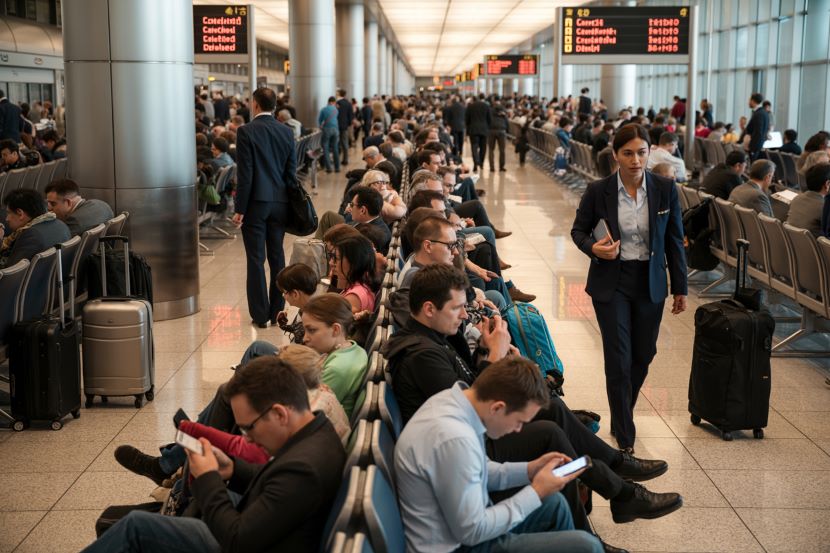
As air travel across Asia grapples with severe disruptions, a staggering 37 flights have been canceled, and a total of 510 flights have experienced delays, leaving thousands of passengers stranded. With key airports in countries such as Indonesia, Malaysia, China, and Japan severely impacted, this aviation chaos is disrupting multiple airlines including Batik Air, All Nippon Airways (ANA), Xiamen Air, Sichuan Airlines, Shenzhen Airlines, and others.
Key cities and airports affected include Jakarta, Makassar, Kunming, Xishuangbanna, Surabaya, Harbin, Lanzhou, Tokyo, Beijing, and Chongqing. These major air hubs are experiencing significant delays and cancellations, causing widespread inconvenience for travelers.
Massive Flight Cancellations and Delays Across Asia’s Major Hubs
The recent air travel turmoil is being felt from Jakarta’s Soekarno-Hatta International Airport to Beijing Capital International, causing extensive flight cancellations and delays that have thrown a wrench into the travel plans of thousands of passengers. Key airports such as Tokyo Narita, Harbin Taiping, and Kunming Changshui are also at the forefront of this disruption.
Jakarta Soekarno-Hatta Airport
Indonesia’s primary gateway, Soekarno-Hatta, saw the cancellation of 17 flights and the delay of 54 more, causing significant traffic disruption. A mix of weather-related factors and technical issues led to these delays, with passengers scrambling to rebook flights or navigate through extensive queues at check-in counters. The most affected carriers included Batik Air, with numerous domestic and international flights delayed as a result of operational hurdles.
Sultan Hasanuddin International Airport, Makassar
Sultan Hasanuddin Airport in Makassar, South Sulawesi, also faced its share of cancellations and delays, with 7 flights canceled and 32 others delayed. This disruption was largely attributed to a combination of logistical challenges, including equipment shortages and bad weather, complicating the air traffic situation further.
Kunming Changshui Airport, China
Over in China, Kunming Changshui International Airport reported 2 canceled flights and 68 delays. The situation was exacerbated by poor visibility due to heavy rain, forcing the airport to adjust its scheduling and ground operations. Xiamen Air and Sichuan Airlines were some of the carriers affected by this disruption, with their passengers facing significant delays while awaiting updates on the situation.
Xishuangbanna Gasa Airport, China
Xishuangbanna Gasa Airport, located in the southernmost part of China, wasn’t spared from the chaos. With 2 canceled flights and 33 delays, travelers were left waiting for more information on when they could board their respective flights. As per reports, these disruptions were linked to delays in the arrival of aircraft from other airports, which in turn affected subsequent departures.
Juanda International Airport, Surabaya
Juanda Airport in Surabaya, Indonesia, had 2 flights canceled and 23 delayed. Despite efforts to mitigate the delays, weather challenges and crowded airspace added to the strain. Batik Air’s flight schedule was notably affected, with travelers taking to social media to express their frustration at the lack of timely information and communication from the airline.
Harbin Taiping Airport, China
In northern China, Harbin Taiping International Airport recorded 3 canceled flights and 38 delays. The heavy snow and fog caused the airport to limit its operations, resulting in the grounding of flights and an extended wait for passengers. Sichuan Airlines and Shenzhen Airlines were among the major airlines affected in Harbin, leaving travelers stuck in the cold while they awaited information on rescheduled departures.
Lanzhou Zhongchuan Airport, China
Lanzhou Zhongchuan, a key airport in northwestern China, experienced 1 canceled flight and 21 delays. This disruption stemmed from operational delays that saw aircraft arriving late from other parts of China, further delaying departures. This had a ripple effect on several flights, including domestic services that had to be rescheduled or redirected.
Tokyo Narita International Airport
Japan’s Tokyo Narita International Airport saw 1 flight canceled and 75 delays, primarily due to congestion and poor weather conditions in the region. Passengers traveling with All Nippon Airways (ANA) faced the brunt of the delays, as the airline’s international and domestic routes were affected, causing disruptions to its global network.
Beijing Capital International Airport, China
The Chinese capital’s major hub, Beijing Capital, wasn’t spared from the disruptions either. A combination of stormy weather and ongoing operational issues led to 1 flight cancellation and 89 delays. Shenzhen Airlines, alongside other domestic carriers, was forced to revise its schedules, resulting in overcrowded terminals and prolonged waiting times for passengers.
Chongqing Jiangbei International Airport, China
Lastly, Chongqing Jiangbei International Airport, a bustling airport in southwestern China, had 1 flight canceled and 77 delayed. While the specific cause of these delays wasn’t disclosed, it’s widely believed that heavy rain and subsequent flooding in the region may have contributed to the overall disruption.
The Impact on Major Airlines: Batik Air, ANA, Xiamen Air, Sichuan Airlines, and Shenzhen Airlines
The travel chaos across Asia has particularly affected several major carriers operating in the region. Batik Air, Indonesia’s popular low-cost airline, experienced a significant number of cancellations and delays across its domestic and international routes, forcing many passengers to adjust their travel plans. The airline’s communication efforts have been called into question as passengers expressed frustration over a lack of timely updates.
Similarly, All Nippon Airways (ANA), Japan’s largest carrier, saw numerous delays, especially in its operations out of Narita. ANA flights to and from Tokyo were severely impacted, with international flights being delayed by hours. Passengers on these flights had to endure long waits, leading to complaints about the airline’s handling of the situation.
Xiamen Air, a major Chinese carrier, also saw several delays due to operational bottlenecks at airports like Kunming and Harbin. As with many other airlines, Xiamen had to accommodate passengers in crowded terminals, making the experience all the more frustrating for travelers already dealing with lengthy delays.
Sichuan Airlines and Shenzhen Airlines, both of which operate significant routes within China and internationally, were heavily impacted as well. With multiple delays across airports such as Harbin and Lanzhou, these airlines faced significant challenges in managing passenger expectations and rebooking flights in a timely manner.
What’s Causing the Disruptions?
The reasons for these widespread cancellations and delays across Asia are multifaceted. In many cases, severe weather conditions—such as snowstorms, heavy rain, and poor visibility—are the primary culprits. These weather-related issues often disrupt ground operations and prevent airlines from adhering to their flight schedules.
Operational issues, including delays in aircraft arrivals from other regions, also play a significant role. These delays affect not only the flights scheduled for departure but also incoming flights, creating a ripple effect that delays subsequent services.
Additionally, air traffic congestion, especially at major hubs like Tokyo Narita, Beijing Capital, and Jakarta Soekarno-Hatta, has been exacerbated by ongoing infrastructure limitations at some airports. Limited airspace and the sheer volume of flights scheduled for peak travel periods have contributed to the delays, frustrating both airlines and passengers alike.
Passenger Experience Amid Chaos
For passengers, the experience during such mass disruptions is one of uncertainty and frustration. With limited information provided by some airlines and airports, many travelers are left in the dark about the status of their flights. The lack of proactive communication and the long queues at customer service counters add to the stress, leaving many passengers feeling helpless.
Travelers have been advised to stay updated through their airlines’ official websites and mobile apps to receive real-time information about cancellations and delays. Airlines like Batik Air, ANA, and Xiamen Air have provided limited compensation for delayed passengers, but many argue that the measures are insufficient in light of the scale of the disruption.
Passenger Tips for Navigating Travel Disruptions
For passengers affected by the ongoing travel disruptions across Asia, staying informed is key. First, always check your flight status through the airline’s website or mobile app to get real-time updates on cancellations or delays. It’s also advisable to sign up for notifications from your airline to receive alerts directly. Be prepared for long waiting times at check-in counters and security, so plan to arrive early at the airport. If your flight is delayed or canceled, approach the airline’s customer service for rebooking options or compensation. Additionally, pack essential items like snacks, water, and any necessary medications, as airport facilities may be crowded. Lastly, consider alternative travel options, such as nearby airports or train services, in case your flight is significantly delayed.
Conclusion
The ongoing travel turmoil across Asia has disrupted the lives of thousands of passengers, highlighting the need for improved operational resilience in the face of unpredictable weather and logistical challenges. While airlines like Batik Air, ANA, and Xiamen Air continue to work through the delays, passengers must stay vigilant and prepared for further inconveniences. This situation underscores the importance of airlines and airports investing in better infrastructure and communication systems to ensure smoother travel in the future.
Source: Different airports and FlightAware
The post Travel Turmoil Strikes Asia as Indonesia, Malaysia, China, Japan, and More Cancel 37 Flights and Delay 510, Disrupting Batik Air, ANA, Xiamen Air, Sichuan, Shenzhen Airlines, and Others in Jakarta, Tokyo, Beijing, Harbin, Narita, and Beyond appeared first on Travel And Tour World.
Source: travelandtourworld.com



Sorry, the comment form is closed at this time.