


Tulum Joins Baja California, Lake Texcoco, Tren Maya, Yucatán, Acapulco, Mexico City and Pueblos Mágicos for a Tourism Explosion Beyond 2026, Discover the Bright Future of Travel in Mexico!
Tulum Joins Baja California, Lake Texcoco, Tren Maya, Yucatán, Acapulco, Mexico City and Pueblos Mágicos for a Tourism Explosion Beyond 2026, Discover the Bright Future of Travel in Mexico!
Mexico is on the brink of a tourism explosion that promises to reshape its future well beyond 2026. Tulum now joins forces with iconic destinations like Baja California, Lake Texcoco, Tren Maya, Yucatán, Acapulco, Mexico City, and the magical Pueblos Mágicos to create a vibrant, sustainable, and inclusive tourism landscape. This collaboration aims to unlock new opportunities, enhance local economies, and offer travelers a diverse array of experiences, from pristine beaches to rich cultural heritage sites. With Tulum leading the charge alongside other key destinations, Mexico’s tourism sector is set to thrive.
The plan not only focuses on expanding access to these stunning spots but also on preserving their natural and cultural treasures. As these destinations unite, they promise a bright future of travel in Mexico, offering visitors unforgettable adventures in every corner of the country.
Tulum’s Beach Access Expansion: Reclaiming Public Space for All
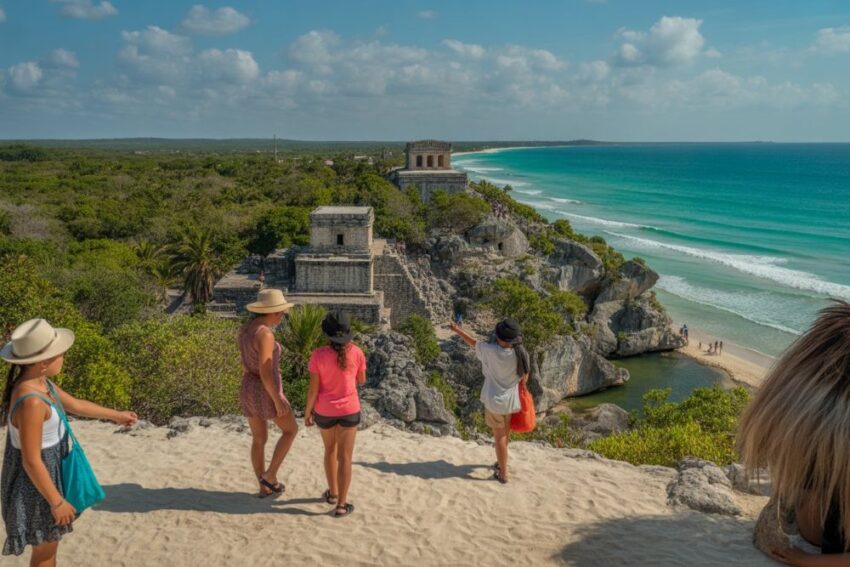
Tulum, one of Mexico’s most popular beach destinations, is about to get a major upgrade. The Mexican government has confirmed the opening of four new public beach access points in Tulum as part of its efforts to reactivate tourism and ensure that the country’s beautiful beaches are accessible to everyone. This initiative is part of a wider tourism strategy known as Tulum Reborn.
Tourism Minister, Josefina Rodríguez, stated that increasing beach access is a key priority of the government’s plan for the Mexican Caribbean. Tulum’s beaches, long considered exclusive to private hotel guests, will now be open to everyone, allowing both locals and tourists to enjoy these natural wonders freely. “Beaches are not a privilege, they are a right,” Rodríguez emphasised. This sentiment reflects the government’s aim to reduce tourism seasonality and ensure a steady stream of visitors throughout the year.
As part of the new beach access points in Jaguar Park, visitors will find a variety of recreational facilities, such as sports corridors and spaces for outdoor activities. The new beach access points will feature clear signage, ensuring that everyone knows where to go. The first of these points is already operational, and by next week, four more will be added to the roster.
Rodríguez has also assured that the government is in constant dialogue with hotel owners in Tulum’s Hotel Zone to maintain public access in these prime areas. This ongoing conversation is in line with federal decrees that guarantee public access to beaches when private access is insufficient. With this initiative, Tulum is poised to become a more inclusive, accessible destination that benefits both the local community and tourists alike.
Mexico’s iCOAST Initiative: Promoting Sustainable Coastal Tourism
Mexico is not just focused on beaches but also on sustainable tourism that protects its natural environments. The iCOAST program, a collaboration with the United Nations, aims to boost sustainable tourism in Mexico’s coastal regions while safeguarding the environment. Through iCOAST, Mexico is committed to developing eco-friendly tourism models along its coastal areas, ensuring that tourism growth doesn’t come at the cost of environmental degradation.
The program targets some of Mexico’s most pristine and ecologically sensitive areas, such as Baja California, Sonora, and Nayarit, as well as the beautiful beaches of Baja California Sur and Jalisco. The government has made it clear that protecting biodiversity and ensuring that local communities benefit from tourism is a top priority. As part of the initiative, sustainable practices will be implemented in areas like marine life protection, waste management, and energy conservation, contributing to the preservation of Mexico’s natural beauty for future generations.
Mexico’s collaboration with international bodies like the United Nations underscores the country’s dedication to aligning with global best practices in sustainable tourism. iCOAST is part of a broader effort to make Mexico a leading example of eco-tourism in the region, balancing development with environmental responsibility.
Tren Maya: Transforming the Yucatán Peninsula and Beyond
One of Mexico’s most ambitious tourism projects is the Tren Maya, a major railway system connecting the Yucatán Peninsula with the southern states of the country. This intercity rail project is more than just transportation — it is a catalyst for tourism development in the region.
The Tren Maya aims to connect visitors with the rich culture, history, and nature of the Yucatán Peninsula, an area that includes Mayan ruins, beautiful jungle landscapes, and coastal towns. By offering efficient transportation, the Tren Maya will make it easier for tourists to explore these regions, spreading the economic benefits of tourism to smaller, lesser-known destinations.
This railway project also seeks to decentralise tourism in Mexico, ensuring that popular spots like Cancun and Playa del Carmen do not bear the brunt of tourism pressure. By improving connectivity between cities and archaeological sites like Chichen Itzá, Tulum, and Coba, the Tren Maya will enhance the tourist experience while spreading the benefits of tourism across a broader area.
In addition to tourism, the Tren Maya project will have significant economic implications, providing thousands of jobs and supporting the local economy. The government has invested heavily in this project, making it a top priority in Mexico’s long-term tourism strategy.
Ecological Parks and Urban Tourism: The Rise of New Urban Destinations
Mexico is also turning its attention to urban tourism, with new developments focused on ecological parks and city-based attractions. For instance, the Lake Texcoco Ecological Park in Mexico City is being developed as a nature reserve that will serve both as a green space for locals and a tourist attraction. This project is part of the federal government’s larger effort to integrate nature into urban environments.
Ecological parks like this one are becoming an increasingly popular way to experience the beauty of Mexico while contributing to sustainability. These parks will offer visitors the chance to explore native flora and fauna, birdwatching trails, and recreational spaces in the heart of Mexico’s largest cities. This focus on urban nature tourism is part of Mexico’s broader effort to diversify its tourism offerings, ensuring that visitors can enjoy both the beaches and the cities.
Expanding Mexico’s Pueblos Mágicos: A Focus on Cultural Tourism
Another significant initiative in Mexico’s tourism development plan is the Pueblos Mágicos program, which aims to promote Mexico’s small towns with historical, cultural, or natural significance. The program has already recognised many towns across the country as Magical Towns due to their unique charm and authentic experiences.
Under the new plan, the government is focusing on strengthening the infrastructure of these towns to make them more accessible and attractive to tourists. This includes improvements in transportation, accommodation, and local attractions. These towns offer an excellent opportunity for tourists to immerse themselves in Mexican culture, whether through traditional festivals, local cuisine, or artisanal crafts.
The government is also exploring ways to boost community-based tourism in these areas, allowing local residents to directly benefit from tourism. By supporting the development of local businesses, small hotels, and family-run tours, the Pueblos Mágicos program is fostering sustainable tourism that benefits both tourists and the communities they visit.
Mexico Takes Center Stage at FITUR 2026 with Its Largest Pavilion Ever in a Bold Move
Mexico has taken centre stage at FITUR 2026, the prestigious international tourism fair, as the Guest Country with its most impressive pavilion to date. This remarkable pavilion is a symbol of Mexico’s growing influence in the global tourism market, showcasing the country’s rich culture, diverse landscapes, and vibrant tourism offerings. The pavilion, which spans a vast area, offers an immersive experience for visitors, reflecting Mexico’s commitment to innovation in tourism. It features interactive displays, cultural performances, and captivating presentations that highlight the best of what Mexico has to offer.
At FITUR 2026, Mexico is not only highlighting its top-tier destinations like Tulum, Yucatán, and Acapulco, but also showcasing emerging tourist spots across the country. The goal is to position Mexico as a leader in sustainable tourism and to attract a broader range of international travellers. By investing in this expansive pavilion, Mexico is sending a clear message that it is prepared to welcome visitors to new, unexplored regions, while also enhancing the experiences in well-established favourites. This major step underscores Mexico’s vision for the future of tourism and its determination to be a key player in the global travel industry.
The Future of Mexico’s Tourism: A Sustainable and Inclusive Growth Model
Mexico’s Tourism Sector Program 2025–2030 is clear in its goals: to diversify tourism beyond traditional hotspots, to spread the economic benefits of tourism across the country, and to ensure sustainability at every level. With new initiatives in Tulum, sustainable coastal tourism programs like iCOAST, and major infrastructure projects like the Tren Maya, Mexico is positioning itself as a global leader in responsible, inclusive tourism.
The focus on public beach access, eco-friendly tourism, and community involvement reflects a deeper understanding of the need to balance growth with conservation. As the country looks ahead to 2030, Mexico’s tourism industry is poised to be more diverse, more inclusive, and more sustainable than ever before.
This vision will not only benefit the tourism sector but also local communities, helping them thrive in a more balanced, equitable way. With these ambitious plans, Mexico is not just looking to attract more tourists; it is creating a tourism model that is both environmentally responsible and socially inclusive, paving the way for a brighter, greener future for all.
By embracing new tourism models and expanding access to underexplored destinations, Mexico is setting the stage for a tourism revolution that is as much about the local community as it is about the international traveller. This forward-thinking approach will redefine what it means to travel to Mexico and inspire a new era of tourism for years to come.
Source: Mexico News Daily
The post Tulum Joins Baja California, Lake Texcoco, Tren Maya, Yucatán, Acapulco, Mexico City and Pueblos Mágicos for a Tourism Explosion Beyond 2026, Discover the Bright Future of Travel in Mexico! appeared first on Travel And Tour World.
Source: travelandtourworld.com



Sorry, the comment form is closed at this time.