


Tulum Unveils Sustainable Cenote Route, Pioneering Eco-Tourism in Quintana Roo
Tulum Unveils Sustainable Cenote Route, Pioneering Eco-Tourism in Quintana Roo
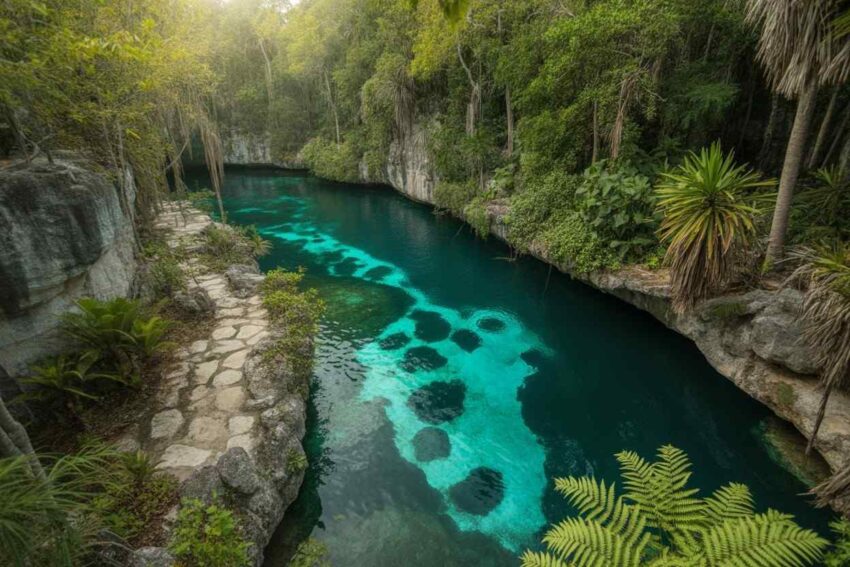
Tulum, the eco-conscious jewel of Quintana Roo, introduces the Sustainable Cenote Route, a certified network linking twelve pristine cenotes within the Maya jungle to promote responsible tourism. Launched by the state tourism authority, this initiative features marked trails, trained local guides, and water filtration systems to minimize environmental impact while offering immersive experiences. The route profoundly impacts Tulum tourism by channeling visitors toward conservation-aligned activities, preserving sacred aquifers vital to regional biodiversity and extending appeal to eco-travelers beyond beach resorts.
Certified Pathways Enhance Cenote Tourism Access
The Sustainable Cenote Route establishes structured access to selected cenotes renowned for crystal-clear waters and lush surroundings, certified by sustainability standards. Guided tours educate on aquifer ecosystems, integrating low-impact snorkeling and photography to deepen visitor appreciation. This framework directly boosts Tulum tourism by replacing unregulated visits with managed flows, projecting fifteen percent rises in off-season lodging and supporting local economies through certified operators.
State tourism strategies emphasize biodiversity protection, ensuring Tulum‘s underground rivers sustain both nature and visitor inflows. The route’s bilingual packages, including transport and conservation certificates, attract international audiences, diversifying tourism demographics and revenues.
Conservation Tech Powers Tourism Sustainability
Water filtration installations at each cenote reduce plastic bottle use, allowing safe swimming without ecosystem harm. Waste collection feeds regional recycling, aligning with Quintana Roo’s tourism sustainability plan to 2030. These innovations impact Tulum tourism by modeling eco-practices that appeal to conscious millennials, increasing dwell times at jungle sites and alleviating coastal pressures amid sargassum challenges.
Government environmental agencies oversee compliance, fostering resilient tourism infrastructure that safeguards Mayan water cycles essential for agriculture and wildlife.
Local Guides Elevate Educational Tourism Experiences
Trained Tulum guides deliver insights into flora, fauna, and cultural significance during route traversals, blending adventure with learning. Activities like recycled art workshops promote community involvement, enriching tourism offerings beyond swimming. This human element transforms Tulum tourism, empowering indigenous and local hires while educating global visitors on stewardship, leading to higher satisfaction and advocacy.
Quintana Roo tourism benefits from skilled workforces, stabilizing employment and cultural preservation amid growth.
Biodiversity Protection Anchors Long-Term Tourism Viability
The route prioritizes cenotes with high conservation value, implementing visitor caps and restoration measures to protect endemic species. Partnerships channel tourism fees into reforestation and monitoring, mirroring national SEMARNAT guidelines. Impacts on Tulum tourism include premium eco-certifications that differentiate the destination, drawing sustainable luxury segments and ensuring perennial allure of jungle sinkholes.
Tourism evolves responsibly, balancing volumes with habitat integrity across Quintana Roo’s Riviera Maya.
Community Waste Management Boosts Tourism Resilience
Integrated collection systems transport recyclables to processing centers, minimizing jungle pollution from tourism activities. Community-led programs fund via visitor contributions, creating self-sustaining cycles. This directly elevates Tulum tourism by showcasing accountability, enhancing reputations and encouraging corporate retreats focused on green initiatives. Regional tourism gains circular economy models, reducing operational costs for operators long-term.
Bilingual Packages Expand Global Tourism Reach
Tailored international options bundle logistics with eco-certificates, facilitating easy integration into Tulum itineraries. Multilingual signage and apps support diverse groups, amplifying tourism accessibility. The strategy impacts Quintana Roo tourism by targeting Europe and Asia, offsetting domestic seasonality and boosting year-round occupancy. Tulum positions as an inclusive eco-hub, broadening market penetration.
Mayan Jungle Trails Promote Dispersed Tourism
Senderos connect cenotes with observation points, encouraging exploration of flora and fauna hotspots. Low-impact designs preserve trails, aligning with federal protected area mandates. This disperses Tulum tourism, easing iconic beach strains and highlighting jungle heritage, spurring investments in rural accommodations. Tourism decentralization fosters equitable growth across Quintana Roo communities.
Low-Season Revival Through Sustainable Tourism
Projections indicate occupancy surges during quieter periods, driven by route promotions via state campaigns. Eco-activities extend stays, blending cenotes with nearby ruins like Cobá. The initiative revitalizes Tulum tourism, stabilizing revenues and attracting digital nomads valuing sustainability. Government marketing underscores conservation narratives, virally expanding reach.
Broader Riviera Maya Tourism Transformation
The Sustainable Cenote Route exemplifies Quintana Roo’s ecological tourism blueprint since 2024, influencing Playa del Carmen and Akumal. Scaled models protect shared aquifers, enhancing regional competitiveness. Impacts ripple through Tulum tourism, elevating Quintana Roo’s profile as a green leader and drawing conservation philanthropists. Collaborative governance ensures enforcement for enduring benefits.
Future Horizons for Tulum Eco-Tourism Dominance
Ongoing expansions plan additional cenotes, with monitoring dashboards tracking sustainability metrics. Federal alignments promise funding escalations, solidifying Tulum‘s eco-pioneer status. Tourism trajectories shift toward regenerative models, projecting exponential growth while honoring Mayan legacies and natural treasures.
The post Tulum Unveils Sustainable Cenote Route, Pioneering Eco-Tourism in Quintana Roo appeared first on Travel And Tour World.
Source: travelandtourworld.com



Sorry, the comment form is closed at this time.