


UAE Joins Turkey, Qatar, Jordan, Saudi Arabia, Bahrain, Oman, And More As UK Issues Historic Travel Advisory For Middle East Following US-Israel Strike On Iran, Sparking Airspace Lockdowns, Major Tourism Losses, And Escalating Security Concerns
UAE Joins Turkey, Qatar, Jordan, Saudi Arabia, Bahrain, Oman, And More As UK Issues Historic Travel Advisory For Middle East Following US-Israel Strike On Iran, Sparking Airspace Lockdowns, Major Tourism Losses, And Escalating Security Concerns
UAE Joins Turkey, Qatar, Jordan, Saudi Arabia, Bahrain, Oman, and More as UK Issues Strongest Travel Advisory Amid US-Israel Strikes on Iran, Triggering Airspace Closures, Massive Tourism Loss, and Growing Security Risks. The UK Foreign, Commonwealth & Development Office (FCDO) has issued its most severe travel warning ever for the Middle East, advising British nationals against all but essential travel to several key nations in the region. This unprecedented advisory comes in response to the escalating US-Israel military actions targeting Iran, which have sparked widespread regional tensions, triggered airspace closures, and caused massive disruptions in tourism. With rising security threats and uncertainty in the region, countries like the UAE, Turkey, Qatar, Jordan, Saudi Arabia, Bahrain, and Oman are grappling with the ripple effects of this crisis.
The geopolitical landscape in the Middle East has recently become even more turbulent as the ongoing tensions between the US and Israel over Iran have reached a new height. As the situation worsens, the UK Foreign, Commonwealth & Development Office (FCDO) has issued an unprecedented and comprehensive travel advisory for the region. The advisory has warned British nationals against all but essential travel to multiple countries across the Middle East, including the United Arab Emirates (UAE), Turkey, Qatar, Jordan, Saudi Arabia, Bahrain, and Oman. This warning comes amid escalating US-Israel military actions aimed at Iran, triggering airspace closures, a massive drop in tourism, and an increased security threat across these regions.
The travel advisory issued by the FCDO is the strongest ever seen, marking a critical point in how international relations and security concerns are shaping the travel landscape in the Middle East. This article explores the impacts of these developments on the countries involved, detailing the reasons behind the advisory, the airspace restrictions, the collapse of tourism, and the growing security risks that have emerged in the wake of these tensions.
UAE Joins Middle Eastern Nations as UK Issues Severe Travel Advisory Amid US-Israel Offensive on Iran
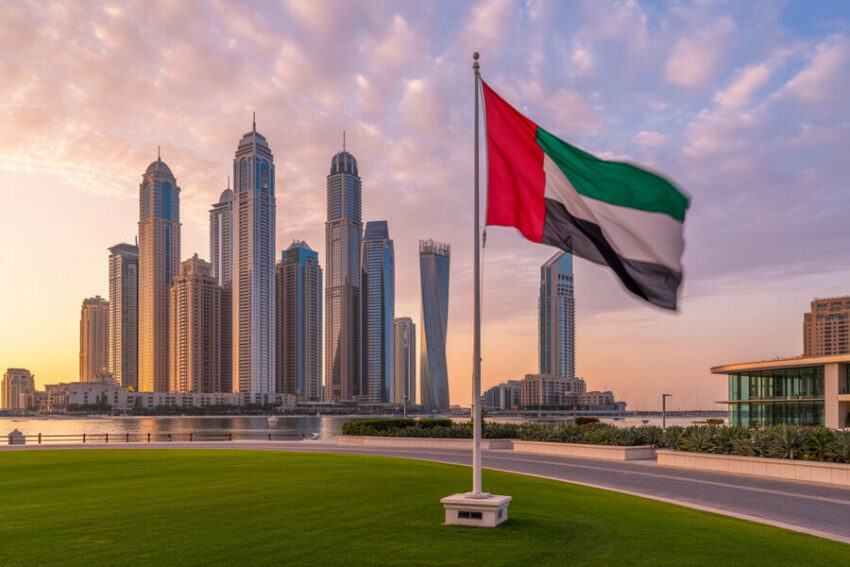
The UAE has become a central player in this crisis, as it finds itself alongside other Middle Eastern nations in the midst of increasing instability. British nationals are now being urged to reconsider travel to the UAE due to escalating tensions and the heightened risk of terrorist activity and missile strikes as a direct result of the US-Israel military operations against Iran. The country’s location in the Gulf makes it particularly vulnerable to any escalation of the conflict, with missiles potentially targeting airports, transport hubs, and commercial centres.
Impact on UAE Tourism and Airspace
Tourism in the UAE, particularly in Dubai and Abu Dhabi, has been severely impacted by the FCDO’s travel warning. The UAE, known as one of the world’s top tourist destinations, relies heavily on international visitors. The economic ramifications are already being felt, with hotel bookings plummeting and major events being canceled or postponed. The airspace closures that followed the missile attacks have created severe disruptions for international flights, affecting thousands of travelers.
Security Risks in UAE
As a result of the heightened security risks, the UAE has been forced to increase its surveillance and military presence, which has led to the closure of certain areas to the public. The advice to shelter in place, issued for British nationals, highlights the urgency of the situation and the potential for more widespread violence in the coming weeks.
Turkey: A Key Player in the Middle East Faces Growing Risks
As the tensions between Israel, Iran, and the US continue to unfold, Turkey finds itself at a critical juncture. Its proximity to the conflict zone makes it particularly vulnerable, and the FCDO has issued a warning against travel to southeastern Turkey, especially areas near the Syrian border. This region has long been known for instability due to conflicts involving Kurdish groups, ISIS remnants, and various other militant organizations.
Impact on Turkey’s Tourism Industry
Turkey, which traditionally attracts millions of British tourists every year with its rich cultural heritage, stunning landscapes, and historical sites, is now facing a dramatic downturn in tourism. With security concerns on the rise, British nationals are urged to avoid popular tourist areas like Istanbul, Ankara, and the Mediterranean coast. The closures of airports and increased border controls are further dampening the flow of tourists into the country, which is one of Turkey’s most vital economic sectors.
Terrorism and Safety in Turkey
In addition to the broader geopolitical issues, Turkey is also dealing with its own internal security threats. The risk of terrorist attacks targeting foreign nationals remains high, particularly in urban areas and places of major public gatherings. As the political situation in Syria worsens, the influx of refugees and the resulting tensions could further exacerbate security risks.
Qatar: Shielding Its Borders Amid Heightened Tensions
Qatar, one of the wealthiest nations in the Gulf, has also found itself in the firing line. The country shares borders with Saudi Arabia and is a key player in the region’s diplomatic and security issues. The ongoing US-Israel military actions against Iran have forced the Qatari government to implement a range of security measures, including airspace closures and an increase in military activity around its borders.
Impact on Qatar’s Economy and Tourism
Qatar’s burgeoning tourism sector, which has seen significant growth in recent years, is now facing a sharp decline. Visitors to Qatar, particularly for major events such as the 2022 FIFA World Cup, are now faced with uncertainties, with flight cancellations and disruptions in air travel. As Qatar’s economy is largely dependent on oil and gas exports, the ongoing instability threatens to destabilize its financial sector as well.
Rising Security Threats in Qatar
Qatar’s military preparedness has been strengthened, and nationals are being urged to stay in secure locations. The heightened security risk is due to the volatile situation in neighboring countries and the likelihood of retaliation from Iranian-backed militant groups targeting Gulf nations in response to US-Israel actions.
Jordan: Increased Regional Tension Amplifies Security Risks
Jordan, a peaceful neighbor to Iraq, Syria, and Saudi Arabia, has not been immune to the broader Middle East crisis. The UK government has issued a travel warning for the country, particularly near its northern borders with Syria, due to the threat of spillover from the Syrian conflict and increasing tensions along the region.
Tourism Decline and Economic Effects on Jordan
Jordan’s tourist industry, which thrives on visitors to the ancient city of Petra and the Dead Sea, has been hard hit by the travel advisory. The country has already seen a significant reduction in the number of tourists, with many opting to cancel or postpone their trips. This has further strained Jordan’s fragile economy, which relies heavily on tourism.
Security Risks in Jordan
Although Jordan has remained relatively stable compared to its neighbors, the growing regional tensions could spill over into the kingdom. The risk of terrorism, particularly from groups with links to ISIS or al-Qaeda, remains high. Tourists are being advised to avoid public gatherings and demonstrations, as protests related to the broader Middle East conflict have become more frequent.
Saudi Arabia: Heightened Security Concerns Amid US-Israel Conflict
Saudi Arabia, one of the largest and most influential countries in the Middle East, has also seen its airspace restricted and its security raised to unprecedented levels in the wake of US-Israel actions against Iran. The country’s involvement in the conflict, particularly in its role as a key US ally in the region, makes it a prime target for retaliation.
Airspace Closures and Tourism Impact in Saudi Arabia
Saudi Arabia’s airspace has been closed to many international flights, creating major disruptions in air travel, especially for tourists visiting the holy city of Mecca or the capital, Riyadh. Saudi Arabia’s tourism sector has also taken a hit, as bookings for religious pilgrimages and other tourist attractions in the country have dropped significantly.
Increased Military Presence and Regional Security Risks
In response to the rising threats, Saudi Arabia has ramped up its military preparedness, with air defense systems deployed to protect critical infrastructure and civilian areas. As the UK FCDO advisory urges British nationals to avoid travel to certain areas, the security risks in the region continue to escalate.
Bahrain: Airspace Lockdown and Economic Turmoil Following US-Israel Strikes
Bahrain, a small island nation in the Gulf, has seen its airspace affected by the ongoing regional tensions. The US-Israel military offensive on Iran has prompted Bahrain to close its airspace for many commercial flights, significantly affecting the tourism industry.
Impact of Airspace Closures on Bahrain’s Tourism and Economy
Bahrain has been largely dependent on tourism and business travel, particularly with its status as a financial hub. The recent travel advisory has caused a sharp decline in the number of international visitors. The hospitality sector, which plays a key role in Bahrain’s economy, is feeling the brunt of the downturn, with many hotels reporting cancellations.
Security Risks in Bahrain
Bahrain’s proximity to regional conflicts has made it increasingly vulnerable to attacks from militants. With heightened tensions in the Gulf, Bahrain’s military presence has been reinforced, and its borders have been closely monitored. British nationals in Bahrain are urged to remain cautious and avoid high-risk areas.
Oman: Shielding Its Borders from Escalating Regional Tensions
Oman, known for its neutrality in regional conflicts, has found itself drawn into the wider regional instability due to the US-Israel actions. The country, which shares borders with Saudi Arabia and Yemen, is at risk of being affected by the spillover of violence from neighboring regions.
Oman’s Tourism Struggles Amid Rising Security Threats
Oman’s tourism, which thrives on its natural beauty and historical landmarks, has been significantly impacted by the political situation. Airspace closures and security threats have led to fewer visitors, which is damaging the country’s vital tourism sector.
Increased Security Measures in Oman
While Oman remains relatively stable compared to its neighbors, the recent escalation in the Gulf has prompted the government to increase security measures. The risk of indirect attacks, particularly from groups operating in Yemen, has led to the reinforcement of borders and airspace closures.
The UK’s highest-ever travel advisory, issued in response to the US-Israel strikes on Iran, highlights the profound impact of regional tensions on countries in the Middle East. Nations like the UAE, Turkey, Qatar, Jordan, Saudi Arabia, Bahrain, and Oman are facing a multitude of challenges, including airspace closures, tourism loss, and growing security risks. With the geopolitical situation still volatile, the effects on these countries’ economies, especially the tourism sector, are expected to be felt for months, if not years, to come.
UAE Joins Turkey, Qatar, Jordan, Saudi Arabia, Bahrain, Oman, and More as UK Issues Strongest Travel Advisory Amid US-Israel Strikes on Iran, Triggering Airspace Closures, Massive Tourism Loss, and Growing Security Risks. The UK has issued its highest-ever travel warning for the Middle East due to escalating US-Israel military strikes on Iran, leading to airspace disruptions, a sharp decline in tourism, and heightened security threats across the region.
As the Middle East grapples with these unprecedented challenges, British nationals and travelers are urged to stay informed, exercise caution, and follow the advice of local authorities. The future remains uncertain, and the risks in the region continue to evolve as the US-Israel offensive on Iran shows no sign of abating.
The post UAE Joins Turkey, Qatar, Jordan, Saudi Arabia, Bahrain, Oman, And More As UK Issues Historic Travel Advisory For Middle East Following US-Israel Strike On Iran, Sparking Airspace Lockdowns, Major Tourism Losses, And Escalating Security Concerns appeared first on Travel And Tour World.
Source: travelandtourworld.com



Sorry, the comment form is closed at this time.