


UK Dual National Travel Alert: New Passport Rules from 25 February 2026 Could Disrupt Trips Home
UK Dual National Travel Alert: New Passport Rules from 25 February 2026 Could Disrupt Trips Home
For British citizens who also hold another nationality, including those planning holidays or business trips home to the United Kingdom, an unexpected travel hurdle looms as major border rules take effect from 25 February 2026. From that date onwards, dual British nationals will no longer be able to rely on their second country’s passport alone when returning to the UK; instead, they must present a valid British passport or secure a costly Certificate of Entitlement — a rule that is expected to affect more than a million people worldwide. This shift follows updates to the UK’s Electronic Travel Authorisation (ETA) system set by the Home Office as part of its ongoing border modernisation efforts.
The changes are stirring concern among families, expatriates, and business travellers alike, many of whom say the communication around the update was insufficient and that the costs and logistics could significantly impact last‑minute plans.
What’s Changing on 25 February 2026
The new rules, outlined on the official UK government’s ETA guidance, make it clear that dual citizens cannot use an ETA on a foreign passport to enter the UK — even if that passport would otherwise allow visa‑free travel. Instead, a traveller holding dual nationality must have one of the following to be permitted to board UK‑bound transport such as flights, ferries, or trains:
A valid British passport (strongly preferred).
A valid Irish passport (for those with Irish citizenship).
A Certificate of Entitlement (CoE) attached to a second nationality passport.
If a dual national arrives without these documents, airlines and other carriers may refuse boarding to avoid heavy fines for transporting undocumented passengers — a practice that is part of the stricter enforcement accompanying the ETA rollout.
Certificates of Entitlement: What You Should Know
The Certificate of Entitlement proves a British citizen’s right of abode in the UK so they can travel using a non‑British passport. However:
It currently costs around £589 — a substantial fee for many families and travellers.
Applying for this certificate takes time and must be done before travel.
A certificate can only be affixed to one passport (the non‑British one) at a time.
Recent Clarification on Expired Passports
In a late clarification, UK authorities confirmed that carriers may accept expired British passports as proof of citizenship on a discretionary basis, potentially offering relief to some travellers scrambling to meet deadlines. Nevertheless, relying on expired documents is not recommended due to uncertainty and airport discretion.
Why This Rule Has Been Introduced
According to the UK Home Office and official guidance on the ETA scheme, the changes aim to streamline border security and travel authorisation by ensuring that British citizens are clearly identified before arrival. The ETA itself functions as a digital travel permission for visitors from visa‑exempt countries and must often be obtained several days ahead of travel. British and Irish citizens, however, are exempt from needing an ETA but must still prove their citizenship with the correct travel documents.
Official government sources specifically advise dual British nationals to check their citizenship status, secure a British passport if eligible, or arrange for a Certificate of Entitlement well before travel to avoid complications.
Step‑by‑Step Travel Preparation Guide
Check Your Nationality Status:
Confirm whether you hold British citizenship and understand whether you are classified as a dual national under UK law. Official checks are available on GOV.UK.
Review Your Documents:
Ensure your valid British passport has sufficient validity. Renew it if needed. If you don’t hold one, prepare to apply early.
Decide Between Passport or Certificate:
If obtaining a British passport isn’t feasible before your trip, start the Certificate of Entitlement application with your other passport.
Apply for ETA (if Applicable):
If you are not a British or Irish citizen, secure an ETA ahead of time via the UK ETA app or online. Apply at least days before travel for approval.
Travel with Correct Document:
On travel day, present your British passport or Certificate of Entitlement at check‑in. Airlines are checking documentation before boarding.
Prepare for Border Checks:
At UK border control, be ready to show all necessary documentation and allow time for additional identity verification.
Impact on Tourists and Business Travellers
Normal Tourists
Casual holidaymakers who also hold British citizenship but travel on their second nationality may find themselves unexpectedly barred from boarding flights or ferries to the UK if they haven’t prepared ahead of time. This is especially problematic for family trips scheduled close to the deadline.
Business Travellers
For professionals commuting for work, the rules add a layer of planning. Companies will need to verify documentation for any dual‑national staff, potentially adjusting travel arrangements and schedules.
Quick Tips for Affected Travellers
Apply for or renew a British passport well before travel.
If too late, start a Certificate of Entitlement application immediately.
Don’t rely solely on an expired passport; it may not be accepted everywhere.
For visa‑exempt travellers (non‑British), apply for an ETA ahead of time.
Check official sources like GOV.UK for application details and fees.
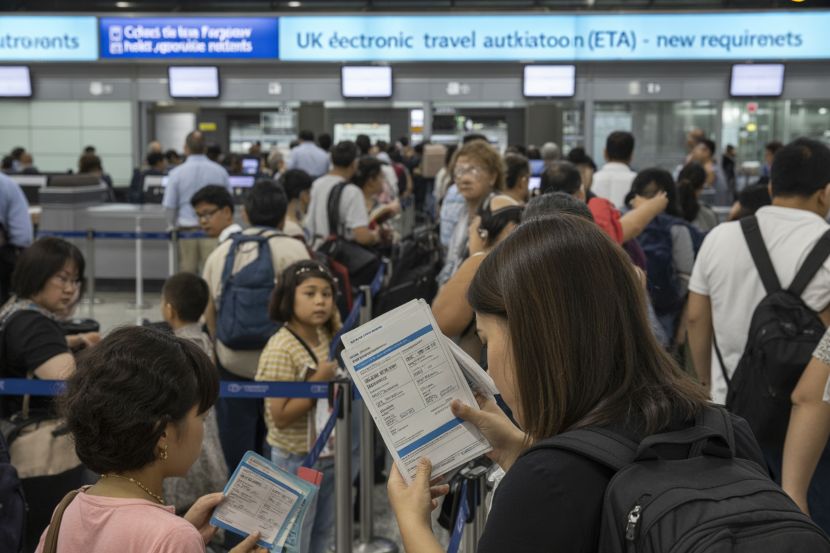
Disclaimer: The Attached Image in This Article is AI Generated
The post UK Dual National Travel Alert: New Passport Rules from 25 February 2026 Could Disrupt Trips Home appeared first on Travel And Tour World.
Source: travelandtourworld.com



Sorry, the comment form is closed at this time.