


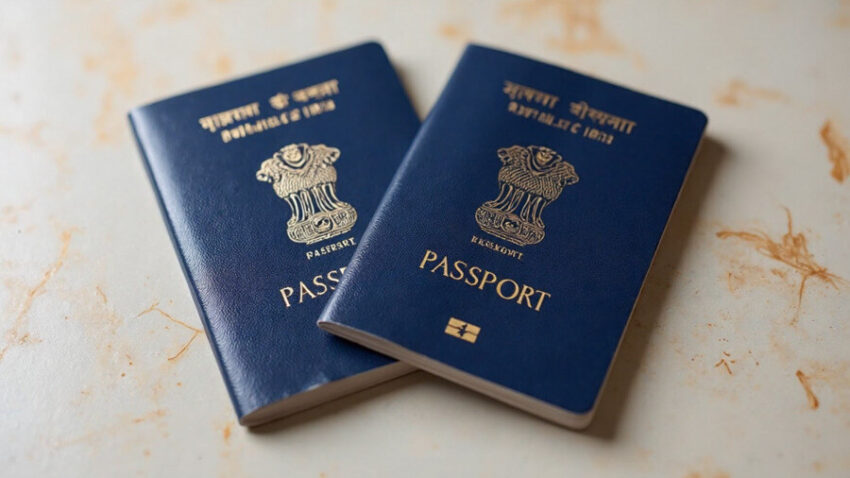
UK Visa System Overhaul, Nigeria Joins the Digital Revolution with eVisas Replacing Traditional Visa Stickers for All New Applicants from February 25
UK Visa System Overhaul, Nigeria Joins the Digital Revolution with eVisas Replacing Traditional Visa Stickers for All New Applicants from February 25
The UK is set to overhaul its visa system by replacing traditional physical visa stickers with digital eVisas for all new Nigerian applicants starting February 25, 2026. This change is part of the UK’s broader effort to modernize its immigration process, making visa issuance faster, more secure, and easier to manage online. The move aims to simplify the travel experience for Nigerian nationals while enhancing border security through a more efficient digital system. With this transition, Nigerian travellers will no longer need to carry a visa vignette in their passports, as all immigration status details will be accessible through a secure online UKVI account.
Starting February 25, 2026, the United Kingdom will discontinue issuing physical visa stickers to Nigerian travellers, replacing them entirely with digital eVisas. This major shift in the UK’s immigration policy is part of the country’s broader efforts to modernize its visa issuance system and streamline the border management process.
UK Visas and Immigration (UKVI) announced that, from this date forward, all new visit visas for Nigerian nationals will be issued electronically. The decision marks a significant step in the UK’s transition to a fully digital border regime. It’s part of a broader push to modernize immigration procedures and adopt more efficient, secure, and flexible systems for handling foreign visitors.
Under the new digital visa system, Nigerian applicants will no longer receive a physical visa vignette (the visa sticker) to be placed in their passport. Instead, once their visa application is approved, the immigration status will be accessible online through a secure UKVI account. This means travellers will no longer have to worry about carrying physical documents to prove their visa status.
However, the application process itself will remain largely unchanged. Nigerian applicants will still need to complete the same online visa application, submit biometric data at a Visa Application Centre, and meet all other eligibility requirements as set out by UKVI. The only difference will be how the visa is issued and how travellers will access their visa information. The overall visa application process will continue to be familiar to applicants, with only a switch in how the visa is managed after approval.
For Nigerian nationals who currently hold valid physical visa stickers, UKVI clarified that they will not be impacted by the switch to the eVisa system. Existing physical visas will remain valid until their expiration dates, and travellers will not need to replace them simply due to the change in the visa issuance process. This ensures that travellers with valid, existing visas can continue their travels without disruption or the need for immediate replacement.
The UK’s decision to adopt this digital visa system is aimed at simplifying the travel process for visitors while improving security at the border. The UK government emphasized that digital visas offer several benefits, particularly in the realm of efficiency and security. For example, unlike physical visa stickers, which can be lost, stolen, or tampered with, eVisas are stored securely in digital format, making them less susceptible to such risks. Furthermore, eVisas can be easily verified in real-time by immigration officials, reducing the potential for fraud and increasing the accuracy of immigration checks.
The transition to digital visas also brings with it a number of logistical advantages. For one, it is expected to significantly reduce processing times, as the UKVI will no longer need to physically affix visa vignettes to passports. In turn, this should reduce the need for passports to be sent back and forth between the applicant and the immigration office, speeding up the entire visa approval process. Travellers will benefit from this reduced processing time and the ability to track their visa status online at any time.
The digital system also offers a higher level of flexibility. Once the visa is approved, the applicant will be able to access their visa information through their personal UKVI account. This allows travellers to manage their immigration status from anywhere, without the need for physical documentation. They can view their visa details, check the status of their application, and share the necessary information when required, all via the secure online system.
In addition to the convenience and security improvements, the UKVI system aims to strengthen the UK’s border security measures. By reducing the reliance on physical documents, such as visa stickers, and allowing for real-time verification of immigration status, the digital system enhances the UK’s ability to monitor and manage incoming visitors more effectively. This shift aligns with the UK’s broader goal of adopting more secure, digital-first systems in all aspects of immigration, offering a more streamlined experience for both travellers and immigration officials alike.
The decision to implement digital eVisas for Nigerian travellers is part of a larger trend in the global travel and immigration landscape. Many countries are moving toward digital systems to keep pace with evolving technology and meet the demands of modern travel. The UK’s move is expected to be a model for other nations looking to modernize their visa issuance processes and improve the security and efficiency of border control systems.
For business travellers, students, and frequent visitors, the change from physical visas to eVisas represents a major shift in how visa documentation is handled. These groups, who regularly travel to the UK for work, study, or personal reasons, will now rely on secure online immigration records instead of paper-based visa stickers. The transition is expected to make it easier for frequent travellers to manage their visa status and streamline the process of entering the UK.
The eVisa system also supports the UK government’s broader agenda of improving the travel experience for visitors while strengthening border security. With more travellers relying on digital platforms for managing their visas and immigration status, the system can more efficiently handle the increasing volume of visitors to the country, while ensuring that border control measures remain effective.
Starting February 25, 2026, the UK will replace traditional visa stickers with eVisas for all new Nigerian applicants, streamlining the visa process and enhancing security through digital verification. This shift aims to modernize the UK’s immigration system, making travel more efficient and secure.
the UK’s decision to move to a fully digital eVisa system for Nigerian travellers marks a significant step forward in the country’s immigration reform efforts. By eliminating the need for physical visa stickers and transitioning to a secure, digital platform, the UK aims to make the visa process simpler, faster, and more secure. With these changes, travellers will benefit from a more streamlined experience while the UK strengthens its border security and embraces modern technology for managing international travel. This reform is an essential part of the UK’s transition to a fully digital border regime, and Nigerian nationals will be among the first to experience these benefits.
The post UK Visa System Overhaul, Nigeria Joins the Digital Revolution with eVisas Replacing Traditional Visa Stickers for All New Applicants from February 25 appeared first on Travel And Tour World.
Source: travelandtourworld.com



Sorry, the comment form is closed at this time.