


United Airlines, Southwest, Delta, American Airlines Travel Chaos at Denver Airport Sends Shockwaves Across USA, Canada, UK and Mexico Tourism and Hospitality Sector After 1,200+ Delays
United Airlines, Southwest, Delta, American Airlines Travel Chaos at Denver Airport Sends Shockwaves Across USA, Canada, UK and Mexico Tourism and Hospitality Sector After 1,200+ Delays
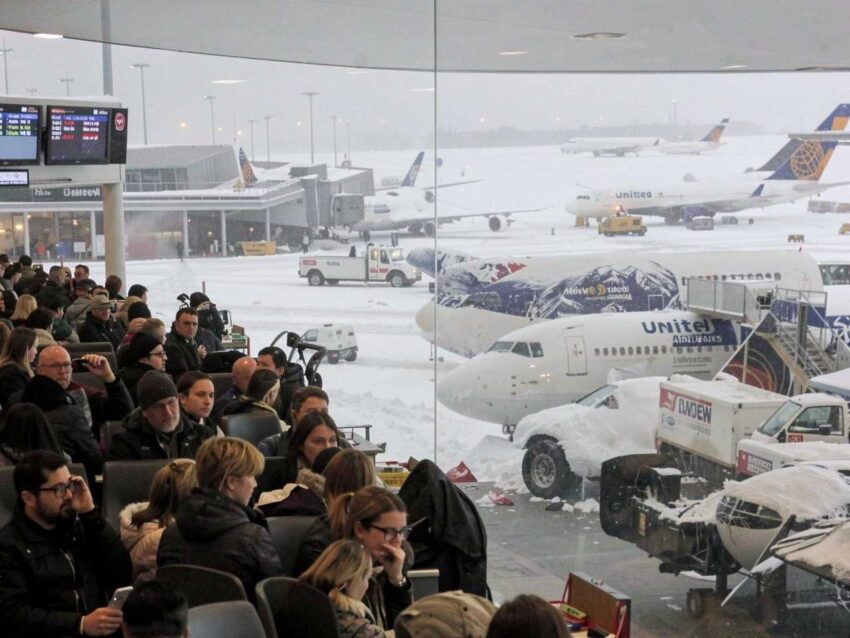
United Airlines, Southwest, Delta, and American Airlines were thrust into the heart of chaos as a fierce snowstorm disrupted operations at Denver International Airport on March 6, 2026, leaving travelers stranded and the entire airport gridlocked with over 1,200 delays and 150 cancellations. What began as a routine winter storm quickly spiraled into a massive travel nightmare, with airlines like United Airlines facing the brunt of the situation, especially after a collision between a de-icing truck and one of their flights. This incident not only triggered a cascade of delays for Southwest Airlines, Delta, and American Airlines, but also affected tourists from across the globe—particularly from Canada, the UK, and Mexico—who rely on Denver as a critical gateway. As passengers sat waiting in the terminals, the hospitality industry in Denver also felt the shockwaves, with ski resorts, hotels, and restaurants bracing for an influx of cancellations. In a region that thrives on international tourism and business travel, this disruption was a harsh reminder of how quickly weather can impact the flow of visitors and the economy, especially when major air hubs like Denver International Airport are involved. The snowstorm caused a ripple effect that not only frustrated travelers but also had broader implications for the region’s tourism and hospitality sectors, where a delay could mean more than just inconvenience—it could lead to lost revenue, missed connections, and shattered vacation plans for thousands.
United Airlines, Southwest, Delta, American Airlines Travel Chaos at Denver Airport Sends Shockwaves Across USA, Canada, UK and Mexico Tourism and Hospitality Sector After 1,200+ Delays
Denver International Airport (DEN) faced a major disruption on March 6, 2026, as a snowstorm swept through the city, leading to over 1,200 flight delays and 150 cancellations. The chaos was compounded by a collision between a United Airlines flight and a de-icing truck, making it one of the most disastrous travel days in recent history. The storm not only affected travelers within the United States but also had widespread effects on international visitors from Canada, the UK, and Mexico. This incident highlights the crucial role that airports, airlines, and the broader hospitality industry play in the global tourism ecosystem.
United Airlines, Southwest, Delta, American Airlines: Major Delays and Cancellations
The snowstorm at Denver International Airport led to massive flight delays, with United Airlines, Southwest Airlines, Delta Air Lines, and American Airlines being the most affected. As of the evening, FlightAware tracked a total of 1,292 delays and 151 cancellations at DEN, making it the most disrupted airport in the U.S. for that day. United Airlines, being the largest carrier at Denver, bore the brunt of the storm’s impact. The airline had several flights delayed, and its operations were severely affected due to the de-icing truck collision involving United Airlines Flight 605. With hundreds of passengers stranded, the incident caused a domino effect, impacting Southwest Airlines, Delta Air Lines, and American Airlines, as their connecting flights from Denver also experienced cascading delays.
For travelers planning their trips, this situation underscores the importance of staying up-to-date with flight statuses. Frequent flyers should always check their flight’s status ahead of departure, especially when traveling through major hubs like Denver International Airport, where the weather can significantly impact flight schedules.
USA, Canada, UK, and Mexico Tourists Affected by the Disruption
While the snowstorm’s effects were felt across the U.S., international tourists were also significantly impacted. Canada, Mexico, and the UK are some of the most important international markets for Colorado’s tourism, and the disruption caused major inconvenience for travelers flying from these countries. Denver International Airport is a key gateway for travelers from Canada, with direct flights connecting major cities like Toronto, Vancouver, and Montreal to Denver. For UK travelers, London Heathrow is a major route to Denver, and the snowstorm caused significant delays for passengers coming in from Europe. Mexico, a key market for both leisure and business travel to Denver, also saw disruptions as flights from Mexico City, Cancun, and Guadalajara were delayed or canceled.
Travelers flying to the U.S. from these countries often have limited options for alternative routes, as Denver International Airport serves as a critical hub for connecting flights. When such a large volume of flights are delayed, the knock-on effect can cause cascading problems at other U.S. airports. For international tourists heading to Colorado to ski or visit other attractions, the delays led to not just missed connections but also longer waiting times at the airport, making the start of their vacations far more stressful than anticipated.
How the Snowstorm Disrupted Denver’s Tourism Industry
The snowstorm’s ripple effect on Denver’s tourism industry was substantial. Denver welcomed 37.1 million visitors in 2024, generating $10.3 billion in visitor spending. A significant portion of that revenue comes from international visitors, with over 4.87 million international travelers passing through Denver International Airport in 2025 alone. With the snowstorm and de-icing truck collision disrupting flights, many international tourists were unable to reach their final destinations in time for their planned vacations. This had a direct impact on hotel bookings, restaurant reservations, and tourism-related activities.
The hospitality industry in Denver felt the effects almost immediately. With Denver being a gateway city for travelers heading to ski resorts, mountain destinations, and national parks, the influx of tourists was significantly reduced. Hotel occupancy rates, which had been steadily improving in recent months, took a hit as cancellations surged. Moreover, restaurants, tour operators, and event venues in Denver, many of which rely on air travel to bring in visitors, also saw a reduction in foot traffic.
For frequent travelers, the impact on the hospitality industry can be mitigated by ensuring flexibility with reservations and keeping abreast of any potential disruptions. Hotels often offer flexible cancellation policies, especially in the event of weather-related disruptions, and travelers should inquire about these options ahead of time. Moreover, understanding how snowstorms and other extreme weather events impact tourism can help travelers adjust their schedules accordingly.
What Happened After the United Airlines Collision with a De-Icing Truck?
One of the most significant events during the snowstorm was the collision of United Airlines Flight 605 with a de-icing truck. The incident occurred at approximately 8:30 AM in the de-icing bay on the south side of Concourse B. The United Airlines flight, which was headed to Nashville, had 122 passengers and 6 crew members on board. Fortunately, no one was injured, but the collision caused delays in the de-icing process and led to the temporary evacuation of the passengers from the plane. The passengers were bused back to the terminal after using stairs to disembark from the aircraft. United Airlines later arranged for a different plane to continue the journey to Nashville.
For tourists planning to fly out of Denver, it’s important to be aware that such incidents, although rare, can have a significant impact on flight schedules. Travelers should always allow for extra time when traveling through major airports, especially during the winter months when snowstorms and icy conditions can cause delays.
Tips for Minimizing Travel Stress During Airport Disruptions
Frequent travelers know that disruptions at airports are inevitable, but there are several ways to minimize stress and make the experience more manageable.
Monitor flight status: Use flight tracking apps like FlightAware or the airline’s mobile app to stay updated on any changes to your flight.
Book with flexible tickets: Many airlines now offer flexible booking options that allow travelers to rebook or cancel flights without hefty penalties.
Arrive early: Always arrive at the airport at least 3 hours before your international flight and 2 hours for domestic flights, especially during the winter season when delays are more common.
Stay informed: Pay attention to airport announcements, especially regarding weather-related delays. Denver International Airport provides real-time updates on its website, so check it before heading to the airport.
Pack essentials in carry-on: If you are at risk of missing your connecting flight or having your luggage delayed, make sure to pack essentials in your carry-on bag, such as medications, toiletries, and a change of clothes.
Book direct flights when possible: Direct flights are less likely to be impacted by weather conditions or operational issues compared to connecting flights.
Navigating Security and Security Line Hacks
Another area where frequent travelers can gain an advantage is by navigating airport security faster. Denver International Airport, like most major U.S. airports, participates in the TSA PreCheck program, which allows frequent flyers to pass through security more quickly. The program is open to U.S. citizens, U.S. nationals, and lawful permanent residents, offering faster screening and a more efficient travel experience.
Additionally, travelers can minimize their wait times in security lines by avoiding peak travel hours. Early morning flights tend to be less affected by delays and have shorter security lines, as well as fewer crowds.
The Role of the Hospitality Industry During Disruptions
The hospitality industry plays a vital role in supporting travelers during disruptions. Hotels near Denver International Airport often provide special rates for stranded passengers, and many have 24-hour shuttle services to transport guests to and from the airport. Restaurant owners and tour operators also need to remain flexible during delays, offering services such as extended hours or free cancellations for last-minute changes.
For tourists, understanding the role of local hospitality businesses in times of travel distress is crucial. Many establishments offer amenities and support services designed to ease the burden of unexpected travel delays. Travel insurance can also help cover costs associated with extended stays or missed connections, providing peace of mind when a snowstorm causes a domino effect of delays.
Denver Airport and Winter Travel: What You Need to Know
As we head into the winter months, travelers need to be mindful of the challenges that come with cold weather travel. Denver International Airport is well-equipped to handle snowstorms and icy conditions, but delays are still common during severe weather events. The airport’s snow removal operations are highly efficient, but they can still cause delays when snow accumulation is heavy. Travelers should be aware that during such events, there might be additional delays in de-icing procedures, which can affect flight times.
Tourists coming to Denver for skiing or other outdoor activities should plan accordingly. Colorado’s ski resorts, such as Aspen and Vail, rely heavily on air travel to bring in guests. As such, it’s wise to account for potential flight delays and book accommodation and transport with flexibility in mind. Many ski resorts offer airport transfers, which can be more convenient if you’re facing delays at the airport.
Final Thoughts: Navigating Major Disruptions with Ease
The snowstorm and subsequent disruptions at Denver International Airport on March 6, 2026, serve as a reminder of the unpredictable nature of air travel, particularly during the winter season. However, with the right planning and awareness, frequent travelers can minimize the effects of such disruptions. Stay updated on flight status, utilize flexible booking options, and be prepared for longer-than-usual waits. Above all, keeping a calm and proactive attitude will help ensure that travel chaos doesn’t derail your entire trip.
As travelers navigate the aftermath of this massive disruption, it’s clear that weather-related challenges remain a significant factor in air travel. For those planning future trips, staying informed and flexible will be key to avoiding similar chaos.
Whether you’re a frequent flyer, a tourist heading to Colorado’s world-class resorts, or a business traveler in need of timely connections, knowing how to navigate United Airlines, Southwest, Delta, and American Airlines schedules during a storm can make all the difference. Stay prepared, plan ahead, and make the best of any travel disruption.
The post United Airlines, Southwest, Delta, American Airlines Travel Chaos at Denver Airport Sends Shockwaves Across USA, Canada, UK and Mexico Tourism and Hospitality Sector After 1,200+ Delays appeared first on Travel And Tour World.
Source: travelandtourworld.com


Sorry, the comment form is closed at this time.