


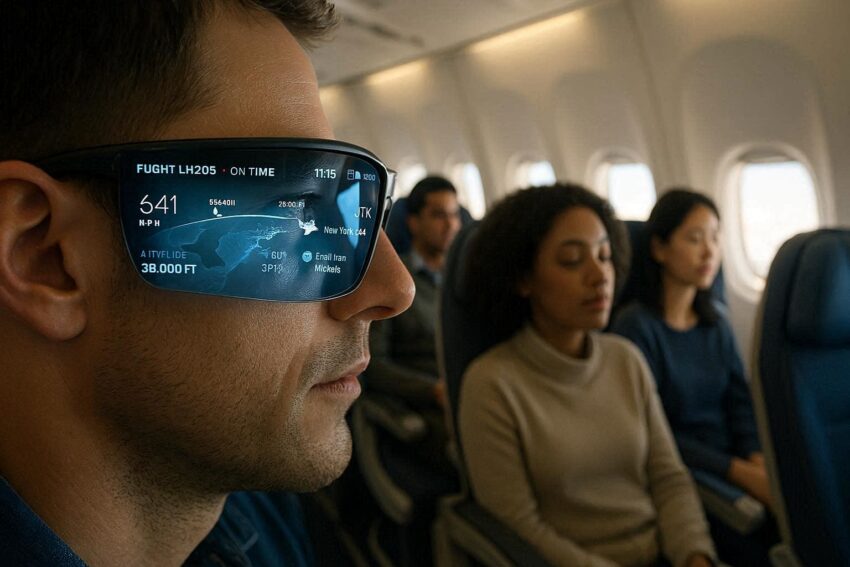
United States Airlines Enforce Ban on Smart Glasses and Wearable Recording Devices for Employees Over Privacy Concerns
United States Airlines Enforce Ban on Smart Glasses and Wearable Recording Devices for Employees Over Privacy Concerns
In a recent move that underscores its commitment to privacy and safety, Southwest Airlines has officially banned the use of smart glasses and other wearable devices with recording capabilities by its employees. This decision, which impacts both corporate and frontline staff, comes in response to growing concerns regarding privacy and confidentiality in the workplace. While this policy update does not affect passengers, it marks a significant step toward addressing the evolving technological landscape and its implications for the airline industry.
Headquartered near Dallas Love Field Airport in Texas, Southwest Airlines is a major player in the U.S. aviation sector, known for its strong operational standards and customer-first approach. With wearable technology such as smart glasses and wireless earbuds becoming increasingly prevalent, the airline has proactively taken measures to ensure that such devices, which can discreetly record audio and video, do not pose a risk to passenger privacy or company security. The new policy now prohibits the use of these devices while employees are on duty, both on and off the airline’s premises, thereby setting clear boundaries for their use in the workplace.
The Growing Concern Over Wearable Technology in the Workplace
As wearable technology, including smart glasses and wireless earbuds, continues to integrate into everyday life, airlines face new challenges in maintaining privacy and security standards. These devices are equipped with advanced capabilities, such as discreetly recording audio and video, which can pose significant risks to the airline industry.
For Southwest Airlines, a company that manages sensitive passenger information such as identification details, payment methods, and personal preferences, the use of such devices by employees could lead to potential legal and reputational risks. The airline’s decision to implement this ban addresses concerns over the unauthorized recording of passenger interactions, particularly when sensitive information may be involved. There is a growing risk that without proper oversight, employees could inadvertently or deliberately capture recordings of private conversations, passenger documents, or even situations inside restricted areas, such as aircraft cabins and crew facilities.
Impact on Employee Practices and Operational Standards
Southwest’s internal memo clarifies that this policy update applies to all employees, across departments, including corporate, frontline staff, and contractors. However, it does not extend to customers, who remain governed by the airline’s established guidelines for recording during travel. By reinforcing this policy, the airline aims to ensure that its employees respect personal privacy while upholding the highest standards of operational safety.
The airline’s spokesperson emphasized that the update was necessary to bring clarity and consistency to the growing use of wearable technology in the workplace. It aims to align with legal compliance, operational efficiency, and safety obligations. This proactive measure underscores the airline’s responsibility to maintain a safe environment for both passengers and employees, preventing incidents that could harm its reputation or lead to costly lawsuits.
Similar Policies Across the Aviation Industry
Southwest Airlines is not alone in its cautious approach toward wearable devices. Other major airlines have similarly restricted the use of smart glasses and wearable devices with recording capabilities. For instance, Delta Air Lines prohibits the use of smart glasses unless they are directly provided by the airline for specific operational purposes. This industry-wide concern highlights the need for clear policies to address emerging technologies and prevent any potential violations of privacy laws or company standards.
As technology continues to advance at a rapid pace, more airlines are likely to adopt similar measures. These companies are not only concerned with ensuring that their employees do not inadvertently record sensitive information but also with the public’s trust in their brand. The rise of wearable recording devices has led to increased scrutiny of the airline industry, as customers are becoming more aware of the potential risks posed by these devices, especially in sensitive areas such as airport terminals and onboard aircraft.
The Privacy Risks of Employee Recording
Airlines operate in environments where confidential data flows constantly. Employees interact with a large volume of sensitive passenger information, ranging from personal identification to payment details. Given these high-stakes interactions, the potential for misuse of wearable technology is substantial. The ability for employees to secretly record conversations or events could breach passengers’ trust and result in serious privacy violations.
Moreover, the presence of wearable recording devices in crew areas, restrooms, and other private spaces could lead to compliance issues. As airlines continue to prioritize passenger safety and comfort, it is essential that the use of technology in these environments be strictly regulated to prevent any unauthorized surveillance or data collection. Southwest Airlines, like other major carriers, is keenly aware of these risks and has moved swiftly to implement a policy that addresses them head-on.
Passenger Recording Policies Remain Unchanged
It is important to note that Southwest’s new policy does not extend to passengers. The existing rules regarding passenger recording during flights remain in place. Passengers are generally allowed to record content as long as it does not interfere with safety protocols or violate the privacy of others. This distinction highlights the airline’s primary concern—protecting the privacy of its passengers while ensuring that employees adhere to the highest standards of ethical conduct and operational integrity.
Southwest’s stance is in line with broader industry efforts to strike a balance between embracing new technology and maintaining the privacy and safety of all stakeholders involved. The company has framed the policy change as a proactive step to stay ahead of emerging technological trends, ensuring that its workplace environment remains secure and in compliance with legal standards.
A Proactive Step to Address Technological Challenges
Southwest Airlines has not indicated whether a specific incident triggered the update to its wearable technology policy. However, the airline’s decision to implement this measure reflects a growing awareness within the aviation industry of the challenges posed by new technology. As wearable devices become more ubiquitous, it is essential for airlines to establish clear guidelines that address the potential risks they bring. By setting these boundaries, Southwest is leading the way in creating a safer, more secure workplace for its employees while preserving the trust of its passengers.
The growing prevalence of wearable technology in workplaces worldwide makes it clear that airlines must adapt to the changing technological landscape. Southwest Airlines’ decision to ban smart glasses and wearable recording devices from its operations is a necessary step to protect both its employees and its passengers. As the airline industry continues to evolve, the importance of privacy, safety, and legal compliance will only grow, making proactive policies like Southwest’s crucial for the long-term success of the industry. By implementing this policy, Southwest Airlines is reinforcing its commitment to the privacy and safety of all its stakeholders while navigating the complexities of new technological developments in the workplace.
The post United States Airlines Enforce Ban on Smart Glasses and Wearable Recording Devices for Employees Over Privacy Concerns appeared first on Travel And Tour World.
Source: travelandtourworld.com



Sorry, the comment form is closed at this time.