


United States and Nevada Spotlight Service Animal Rules After Arrest at Harry Reid International Airport Involving JetBlue Airways
United States and Nevada Spotlight Service Animal Rules After Arrest at Harry Reid International Airport Involving JetBlue Airways
A late-night departure from Harry Reid International Airport (LAS) in Nevada, United States, was overshadowed by a dramatic law enforcement response after a dispute involving JetBlue Airways (B6) and a two-year-old dog identified as a service animal. What began as a routine check-in process inside Terminal 3 was later escalated into an arrest that highlighted the strict enforcement of service animal documentation requirements, airport security procedures, and animal abandonment laws across the United States.
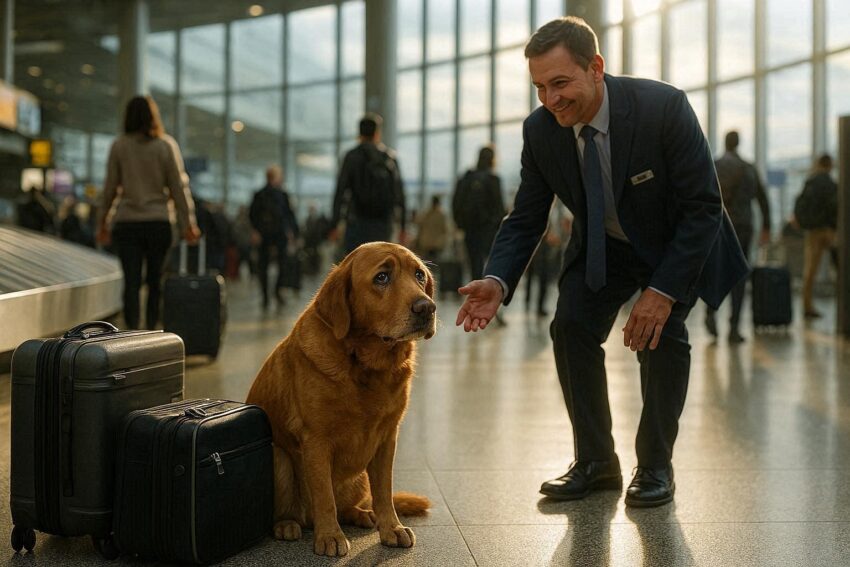
The episode unfolded on February 2, 2026, when a female traveler reportedly arrived at the Las Vegas airport intending to board a JetBlue Airways flight with her golden doodle. The animal was presented as a trained service companion. However, it was determined during the check-in process that the necessary federal and airline-specific forms had not been completed within the required timeframe.
Authorities later confirmed that the passenger proceeded through security without the dog, prompting intervention by law enforcement officers from the Las Vegas Metropolitan Police Department. The sequence of events drew widespread attention within U.S. aviation circles and raised fresh discussions about compliance standards for passengers traveling with service animals.
Check-In Dispute Over Required Documentation
At the center of the incident was JetBlue Airways’ clearly outlined service animal policy. Under airline regulations, passengers traveling with trained service animals are required to submit designated documentation at least 48 hours before departure. These procedures are aligned with broader U.S. Department of Transportation guidelines governing service animals on commercial flights across the United States.
During the check-in process at Harry Reid International Airport, it was reportedly determined that the traveler had not submitted the mandatory online forms within the specified timeframe. As a result, a boarding pass for the animal was not issued.
While trained service animals are permitted to travel in the cabin free of charge on JetBlue Airways, documentation compliance is considered essential. These policies are implemented to verify the legitimacy of service animals, ensure cabin safety, and protect both passengers and crew members.
After being informed of the missing paperwork, the passenger allegedly tied the dog to a metal post near the check-in area. The individual was then said to have continued toward the Transportation Security Administration screening checkpoint without the animal.
Law Enforcement Response Inside Terminal 3
Airport personnel reportedly became concerned when the unattended dog was observed in the check-in area. At approximately 11:39 p.m., airline staff contacted law enforcement officials for assistance. Officers from the Las Vegas Metropolitan Police Department responded to the situation inside Terminal 3.
The traveler was subsequently located at her departure gate within the secure area of the airport. Body camera footage that was later released by authorities showed that she indicated her entry into the secure zone had been intended to arrange a rebooking of travel plans.
Officers escorted the passenger back through the security checkpoint toward the check-in counters, where the dog remained. However, the situation was described as having escalated during this process. According to police statements, resistance was encountered while attempts were made to detain the individual.
Charges of animal abandonment and resisting a public officer were later filed. The passenger was transported for booking, while the animal was secured by airport personnel to ensure its safety and well-being.
Legal Implications Under Nevada Law
Under Nevada state law, the abandonment of an animal in a public facility is treated as a criminal offense. Authorities emphasized that leaving an animal unattended within an airport terminal, regardless of intent, is not considered permissible conduct.
Police further stated that the traveler allegedly referenced the presence of a tracking device on the dog, suggesting that the animal could be retrieved at a later time. However, officials clarified that such reasoning does not exempt an individual from compliance with state animal welfare statutes.
The arrest has been viewed as a reminder that airports in Nevada and across the United States operate under strict legal frameworks that intersect aviation regulations, federal security mandates, and state animal protection laws.
Service Animal and Pet Travel Policies in the United States
The incident has drawn renewed focus on airline policies governing service animals. Across the United States, carriers have adopted more rigorous documentation standards in recent years. These changes were introduced following federal revisions aimed at addressing concerns related to fraudulent service animal claims and in-cabin disruptions.
JetBlue Airways allows trained service animals to accompany passengers in the cabin at no additional cost, provided that documentation requirements are met in advance. The 48-hour submission rule is designed to provide sufficient time for review and approval.
In addition to service animals, small pets are permitted to travel in approved carriers under the seat for a fee of 150 dollars per animal. These pets must meet specific size, health, and safety requirements to comply with aviation regulations.
Airports such as Harry Reid International Airport, which serves as a major gateway for both domestic and international travel within the United States, frequently manage high passenger volumes. As a result, adherence to airline and federal policies is closely monitored to maintain operational efficiency and security compliance.
Aftermath for the Animal
Following the arrest, the dog was transferred to Las Vegas Animal Protective Services. Under local regulations, a mandatory 10-day holding period was observed to provide the registered owner an opportunity to reclaim the animal.
When the dog was not retrieved within that timeframe, responsibility was assumed by a local animal welfare organization. The animal was subsequently renamed Jet Blue and placed into foster care while arrangements for permanent adoption were pursued.
Officials confirmed that the dog was reported to be in good health and was receiving appropriate veterinary care and supervision. The case has since gained attention among animal welfare advocates in Nevada and other parts of the United States.
Broader Aviation and Security Considerations
Airports across the United States, including facilities in Nevada, California, Florida, and Texas, have increasingly emphasized strict adherence to federal aviation standards. Service animal documentation policies form part of a broader framework intended to balance accessibility rights with safety considerations.
Security checkpoints operated by the Transportation Security Administration are structured to prevent unauthorized access and maintain controlled environments within secure areas. Incidents involving passengers who proceed beyond screening without resolving compliance issues are typically addressed swiftly by law enforcement.
In this case, the response by officers at Harry Reid International Airport demonstrated coordination between airline staff, security personnel, and local police authorities. Such cooperation is considered essential in maintaining orderly airport operations.
Continuing Discussion in the United States
The arrest has prompted discussion within the United States aviation community regarding passenger awareness of service animal requirements. Advocacy groups have emphasized the importance of reviewing airline policies well in advance of travel dates.
As domestic air travel continues to expand across the United States and neighboring regions including Canada and Mexico, clarity surrounding service animal rules remains a significant operational priority. Airlines have continued to communicate guidelines through online portals, customer service channels, and booking confirmations.
The events in Las Vegas have been viewed not only as an isolated legal matter but also as a broader illustration of how aviation regulations intersect with animal welfare laws and security protocols.
The events at Harry Reid International Airport in Nevada underscored the importance of compliance with established airline and federal guidelines governing service animal travel in the United States. What began as a documentation issue during check-in ultimately led to law enforcement involvement and criminal charges.
The case has served as a reminder that airports operate within tightly regulated frameworks where aviation policies, state laws, and passenger responsibilities converge. While the legal proceedings continue, the incident has reinforced the message that adherence to established procedures remains essential for travelers across the United States and beyond.
The post United States and Nevada Spotlight Service Animal Rules After Arrest at Harry Reid International Airport Involving JetBlue Airways appeared first on Travel And Tour World.
Source: travelandtourworld.com



Sorry, the comment form is closed at this time.