


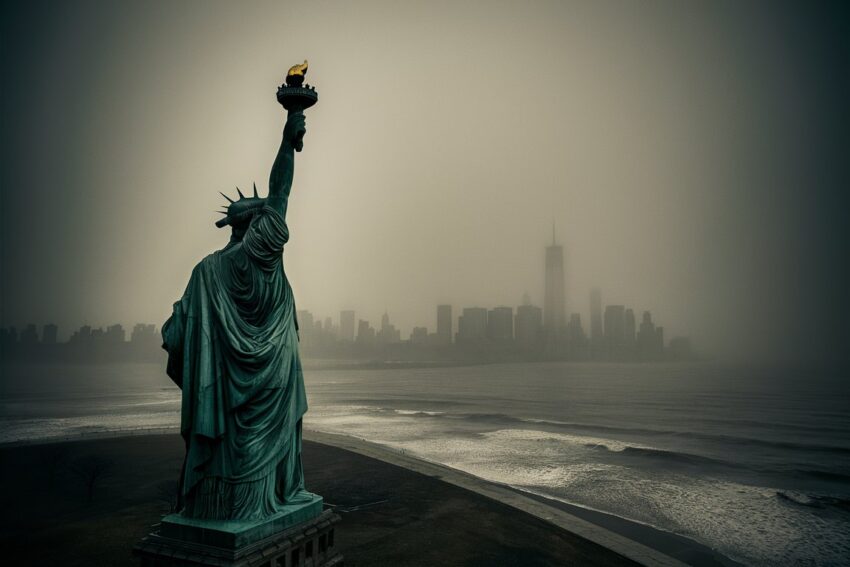
United States Could Face Historic Drop in Millions of International Visitors and Billions in Lost Revenue as New Social Media Travel Policy Threatens Tourism
United States Could Face Historic Drop in Millions of International Visitors and Billions in Lost Revenue as New Social Media Travel Policy Threatens Tourism
The proposed US social media travel policy is drawing significant attention and concern from both government and travel industry experts. By requiring social media account information from certain foreign visitors, the policy could discourage countless potential travelers from visiting the United States. With the nation’s tourism sector already feeling the pressure, officials warn that this change could have far-reaching economic consequences.
Who Is Affected?
The rule targets travelers applying under the Visa Waiver Program, specifically through the Electronic System for Travel Authorization (ESTA). This program allows citizens from 42 countries—including Australia, Japan, the United Kingdom, Italy, and Israel—to visit the U.S. for up to 90 days without a visa.
Currently, applicants provide basic information such as:
Passport numbers
Birth dates
Previous criminal history
Under the new US social media travel policy, applicants would also need to submit:
Social media usernames from the last five years
Phone numbers used over the past five years
Email addresses used in the last ten years
Contact details for immediate family members, including birthplaces and residences
Previously optional, the social media section would now become mandatory, sparking concern about privacy and the perception of intrusion among travelers.
Why the Travel Industry Is Concerned
Industry organizations, including the World Travel & Tourism Council (WTTC) and the U.S. Travel Association, warn that the new policy could have a serious travel industry impact. Surveys show that:
About one-third of travelers said they would be less likely to visit the U.S. if social media accounts are required
The potential loss in visitor spending could reach $15.7 billion
Up to 4.7 million international arrivals from ESTA countries could be lost in 2026
More than 150,000 jobs in the travel and hospitality sector could be at risk
Gloria Guevara, president of WTTC, emphasized, “Travelers have plenty of options. If the U.S. is perceived as intrusive, they’ll choose other destinations. That’s fewer visitors and fewer jobs.”
Government Perspective
CBP officials highlight that the proposed US social media travel policy is designed to strengthen border security measures and protect the U.S. from terrorism and other safety threats under Executive Order 14161. Key points include:
Social media usernames would be compared against existing classified information
Account content would not be reviewed for political opinions or personal posts
The proposal is not final, and public feedback is being collected
The State Department has also updated guidelines for student visa applicants, instructing staff to consider social media activity that might indicate hostile attitudes toward the U.S. This demonstrates the broader focus on security across international travel channels.
Traveler Reactions
International travelers have already taken note of the changes. A survey conducted by WTTC of 4,563 respondents from Australia, France, Germany, Japan, South Korea, and the U.K. revealed:
Two-thirds were aware of the policy
Many said it makes the U.S. feel less welcoming
Leisure and business travelers alike reported they might reconsider visiting
For international visitors, the policy could shift perceptions and make other destinations appear more appealing.
Current Travel Trends
Even before the policy is finalized, data shows a decline in inbound travel:
Overseas arrivals fell by 3.5% in November 2025 compared with the previous year
Travel from Canada dropped sharply, though Canadians are not impacted by ESTA changes
The timing is concerning, with major events like the U.S.’s 250th birthday and FIFA World Cup matches on the horizon. Any decline in travelers could directly affect both tourism revenue and local business activity.
Key Details of the Proposal
The proposed changes under the US social media travel policy include:
Mandatory submission of social media accounts for ESTA applicants
Additional requirements for phone numbers, email addresses, and family contact details
Aimed at enhancing border security measures without overly intruding into personal activity
Open for public comment until February 9, 2026
Part of a broader effort to ensure the Visa Waiver Program remains safe and secure
Why This Matters
The US social media travel policy is about more than security—it’s about perception. Travelers who feel their privacy is compromised may avoid visiting the U.S., impacting everything from major sporting events to local hotels and restaurants.
Officials stress that the measure is meant to be a preventive security tool rather than a deep dive into personal online activity. Still, the travel industry impact could be substantial if visitors view the policy as overly invasive.
Conclusion
If implemented without careful consideration, the US social media travel policy could unintentionally reduce tourism and economic activity while discouraging international visitors. The public comment period provides a chance for industry groups, citizens, and travelers to offer feedback, helping policymakers strike a balance between effective border security measures and maintaining the U.S. as an attractive destination for visitors under ESTA requirements.
Balancing national security with tourism appeal will be essential to ensure the United States continues to welcome millions of travelers without undermining the economic benefits they bring.
Bulleted Summary
Mandatory social media submission for ESTA applicants
Expanded requirements for phone numbers, email addresses, and family contacts
Potential loss of 4.7 million international visitors in 2026
Estimated $15.7 billion decline in visitor spending
Over 150,000 jobs at risk in travel and hospitality
Public comment period open until February 9, 2026
The post United States Could Face Historic Drop in Millions of International Visitors and Billions in Lost Revenue as New Social Media Travel Policy Threatens Tourism appeared first on Travel And Tour World.
Source: travelandtourworld.com



Sorry, the comment form is closed at this time.