


US Military Takes Action After Cartel Drones Breach El Paso Airspace, Flights Resume After Swift Reversal
US Military Takes Action After Cartel Drones Breach El Paso Airspace, Flights Resume After Swift Reversal
El Paso airspace was temporarily closed this week after Mexican cartel drones breached US skies, prompting a swift response from U.S. military forces and the Federal Aviation Administration (FAA). The airspace closure disrupted flights at El Paso International Airport and surrounding regions, but authorities quickly neutralized the drone threat and lifted the restrictions, ensuring the continuation of commercial flights within hours.
The temporary closure, initially expected to last up to 10 days, grounded thousands of passengers and created significant logistical disruptions. However, U.S. military and FAA teams responded rapidly, taking counter‑drone measures that disabled the drones and resolved the situation before it could escalate further.
Transportation Secretary Sean Duffy confirmed that the incident was related to criminal cartel activity. However, after confirming that there was no ongoing threat, U.S. officials promptly lifted the airspace restrictions. This ensured that flights resumed operations, including commercial services from major airlines like Southwest and United.
What Happened: The Drone Breach and the FAA’s Response
On the evening of February 10, FAA officials issued a temporary flight restriction (TFR), grounding all flights in the El Paso region after multiple drones entered U.S. airspace. These drones, believed to be linked to Mexican cartels, reportedly posed a security risk to civilian aircraft and required immediate military intervention. The military swiftly neutralized the threat, and no injuries or damage were reported as a result of the drones’ incursion.
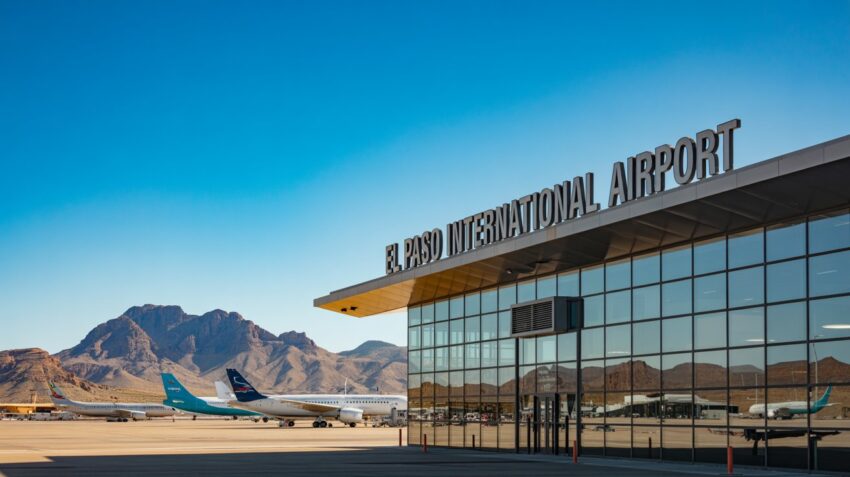
El Paso International Airport, located on the U.S.-Mexico border, was directly affected by the TFR, which restricted airspace within a 10‑mile radius and up to 18,000 feet in altitude. Commercial flights, including those operated by major U.S. carriers, were halted, leaving thousands of passengers stranded. Passengers arriving at the airport were informed of the situation, with airlines offering rebooking options and refunds.
By early the next morning, U.S. military forces confirmed the neutralization of the cartel drones, and the FAA lifted the restriction after determining that there was no longer a threat to aviation safety. The airline industry resumed its operations in the region, and by mid‑morning, flights began operating on a regular schedule.
The Response from Local Authorities and Airlines
Local authorities in El Paso were quick to assure the public that the airspace closure was temporary and under control. Rep. Veronica Escobar from Texas expressed concern about the lack of communication between the FAA and local officials before the closure, but praised the quick response of federal authorities in addressing the drone threat.
Airlines, including Southwest Airlines and American Airlines, adjusted their schedules to accommodate the unforeseen delays. In total, more than 40 flights were affected by the closure, but airlines worked to rebook stranded passengers and restore regular operations. Both Southwest Airlines and United Airlines issued statements ensuring their passengers that safety remained their top priority and that the issue had been resolved efficiently.
The Growing Concern: Drones and Security Risks in U.S. Airspace
This event highlights the increasing concerns regarding the use of drones by criminal organizations along the U.S.-Mexico border. U.S. law enforcement and military agencies have been increasingly monitoring the use of drones in smuggling activities, but this breach marked a significant escalation in the level of risk posed by non‑state actors operating drones over U.S. airspace. While this incident was resolved relatively quickly, experts agree that future incidents could lead to more severe disruptions in U.S. air travel.
Security experts noted that counter-drone technologies, currently under deployment in sensitive regions, will be increasingly necessary to protect aircraft and airports from unmanned aerial threats. The FAA and Department of Homeland Security are likely to engage in further coordination to develop comprehensive countermeasures that can prevent similar incidents in the future.
Looking Ahead: What This Means for Future U.S. Travel and Border Security
This incident could set the stage for increased scrutiny and enhanced security measures in U.S. border regions. Authorities have already begun discussing stricter regulations on drones flying near airports and high‑security zones, and future legislation may introduce additional restrictions to reduce the risk of such occurrences.
For travelers, the incident serves as a reminder that border regions and areas with heavy drug cartel activity can present additional travel risks. While the FAA and U.S. military responded swiftly, foreign visitors, particularly Mexican nationals, are advised to stay informed about travel advisories and border closures.
Conclusion: El Paso Airspace Incident Resolved, But Future Concerns Remain
The El Paso airspace closure serves as a clear example of the vulnerabilities in modern aviation security, especially in border areas facing heightened criminal activity. While this particular incident was resolved without further incident, it highlights the growing role of drones in illicit activities and the need for advanced countermeasures to protect U.S. airspace. As El Paso International Airport resumes normal operations, travelers can feel assured that the threat has been neutralized — but should remain cautious of potential security developments as new technologies and tactics emerge.
The post US Military Takes Action After Cartel Drones Breach El Paso Airspace, Flights Resume After Swift Reversal appeared first on Travel And Tour World.
Source: travelandtourworld.com



Sorry, the comment form is closed at this time.