


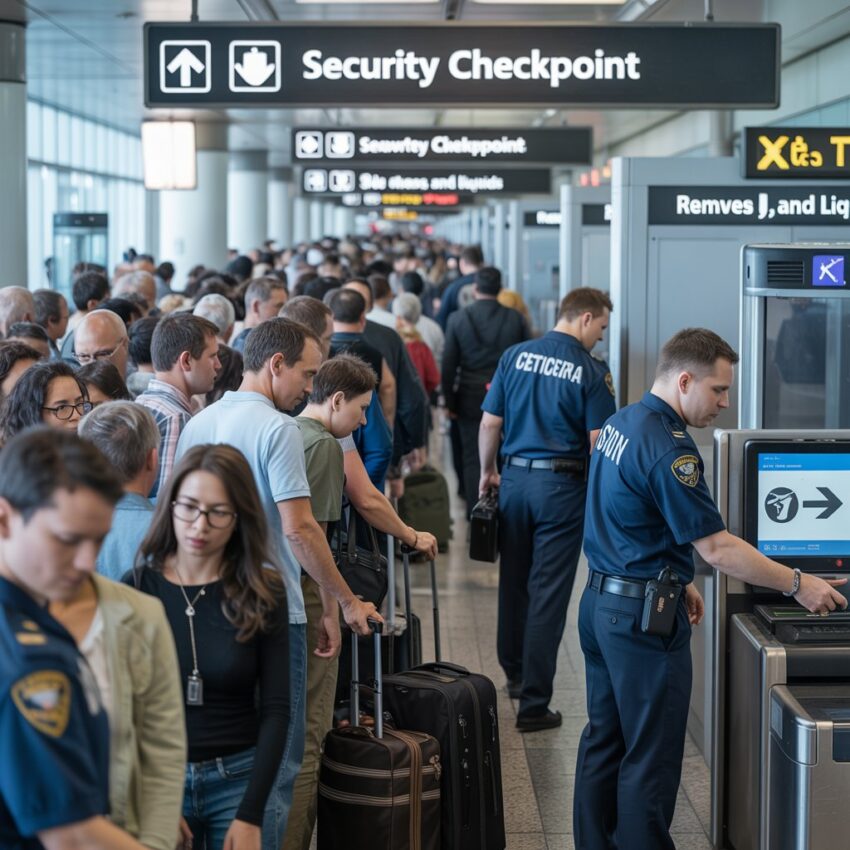
US Travel Disruption Alert: TSA Screeners Hold Security Lines Amid Shutdown With No Pay
US Travel Disruption Alert: TSA Screeners Hold Security Lines Amid Shutdown With No Pay
As a partial United States government shutdown began on 14 February 2026, the Department of Homeland Security (DHS) — the federal agency responsible for domestic travel security — saw its annual funding lapse after lawmakers failed to pass an appropriations bill. As a result, essential personnel including Transportation Security Administration (TSA) agents are continuing to work at major US airports without receiving pay until funding is restored. This ongoing situation affects airport security screening operations across the country and has direct implications for travellers as well as broader aviation travel flows. This report is grounded in verified news reporting from major reputable agencies to provide a full travel industry perspective on the shutdown’s consequences.
What Happened: Halt in DHS Funding Triggers Shutdown
Funding for the DHS expired early on Saturday, triggering a partial federal government shutdown solely impacting DHS functions. The lapse stems from continued political disagreement between congressional lawmakers over proposed reforms to immigration enforcement and DHS spending policies. With no final spending agreement yet reached, DHS operations outside approved funding are legally obligated to cease except for essential functions.
TSA Classified as Essential but Unpaid
Under federal contingency plans, about 95 % of TSA workers are designated essential personnel and must continue to perform security screening of passengers and luggage at airports nationwide — even without pay — until funding resumes. This classification means screeners are physically required to work but will not receive paychecks during the shutdown period, although federal law requires retroactive pay once appropriations are restored.
Travel Industry and Airline Warnings
Major airlines, aviation groups, and travel associations have warned that if the funding lapse continues, the strain of unpaid work could lead to staffing shortages caused by unscheduled absences. In turn, this could contribute to longer security wait times, higher passenger stress, and potential slowdowns during peak travel periods like spring break. While the Federal Aviation Administration (FAA) controllers remain paid, the stress on airport checkpoints may increase if significant numbers of TSA workers call in sick or show up sporadically.
Differences From Previous Shutdowns
Unlike previous full government shutdowns, this partial shutdown affects only DHS. Most other federal agencies remain funded through to the end of September 2026. Importantly, air traffic controllers are funded and will continue to be paid, reducing the chance of widespread flight cancellations seen in the prior 43‑day shutdown period. However, long queues and localized delays at security checkpoints remain a real risk if staffing levels drop.
What TSA Agents Face
TSA officers historically have served without pay during shutdowns due to their essential status. During the 2018–19 shutdown, large numbers of screeners eventually called out sick to protest uncompensated work, which contributed to longer lines and airport congestion. Although current pay and benefits have improved since then, the possibility of similar absenteeism remains a concern if the shutdown is prolonged.
How Travellers Are Likely Affected
For passengers planning domestic or international flights through US airports, the shutdown may have several travel consequences:
• Longer security waits: Without pay incentives, some TSA agents may call in sick or be less available, particularly during busy travel days.
• Need for extra time: Travellers should build in ample extra lead time at airports to clear security, especially at smaller or secondary airports where staffing ratios are tighter.
• Stay updated: Monitoring airport wait times via airline and government resources becomes more important for scheduling and connections.
• Passenger behaviour: Some travellers may choose less busy travel days or times to minimise exposure to crowded checkpoints, impacting travel patterns.
Travel Planning Recommendations
Analysts advise arriving two to three hours before departure for domestic flights and even earlier for international departures to allow for potentially slower TSA screening. Travellers should also check real‑time security wait time apps, review airline advisories, and consider travel insurance or flexible tickets in case shutdown impacts worsen.
Conclusion: Shutdown Sharpens Travel Security Pressures
The current partial shutdown of the US Department of Homeland Security has led to an unusual situation in which TSA security officers are performing essential airport screening duties without pay — creating stress on airport operations during a time of heavy travel demand. While air traffic controllers continue to be paid, the potential for increased traveler wait times at security checkpoints is significant. In the longer term, if the funding stalemate persists, travellers may experience more pronounced delays and disruptions. For travellers engaging US air travel, proactive planning, earlier arrival times, and monitoring of security wait times are advisable to mitigate impacts while federal funding negotiations remain unresolved
The post US Travel Disruption Alert: TSA Screeners Hold Security Lines Amid Shutdown With No Pay appeared first on Travel And Tour World.
Source: travelandtourworld.com


Sorry, the comment form is closed at this time.