


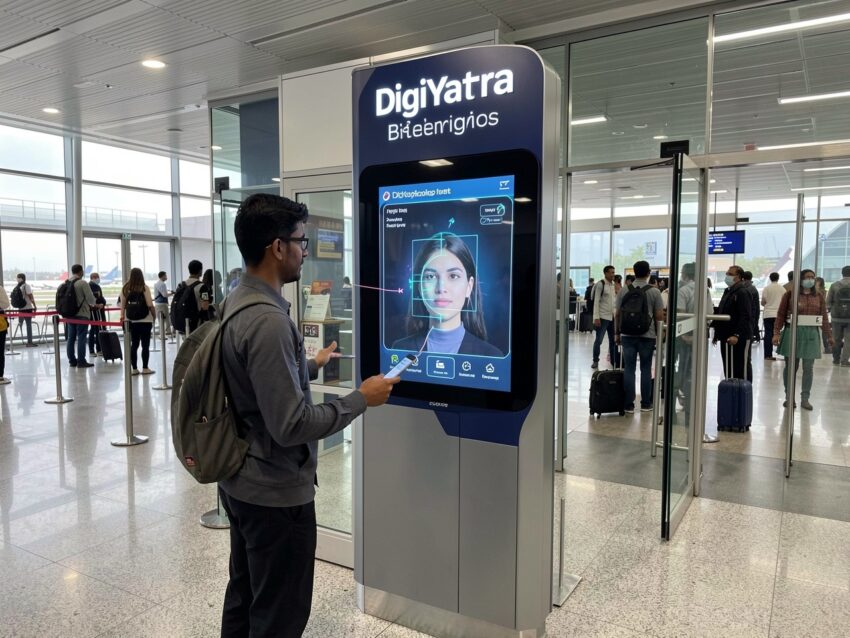
USA, UK, India, Bangladesh, and Thailand’s New Facial Recognition System Is Revolutionising Air Travel, Here’s How DigiYatra Will Change Everything!
USA, UK, India, Bangladesh, and Thailand’s New Facial Recognition System Is Revolutionising Air Travel, Here’s How DigiYatra Will Change Everything!
USA, UK, India, Bangladesh, and Thailand’s new facial recognition system is revolutionizing air travel—here’s how DigiYatra will change everything! In a groundbreaking leap toward modernizing air travel, Navi Mumbai International Airport (NMIA) has unveiled its cutting-edge facial recognition-based system, DigiYatra. This initiative is set to transform the way travelers from the USA, UK, India, Bangladesh, and Thailand experience airports, offering a seamless, contactless journey through security, check-in, and boarding. The facial recognition technology ensures faster, more efficient processing by eliminating the need for multiple document checks and long queues. As the aviation and tourism industries continue to grow, DigiYatra promises to enhance passenger flow, improve security, and reduce wait times, ultimately reshaping the future of air travel. With India’s tourism industry already on the rise, this digital shift is poised to make the country an even more attractive destination, while also supporting airlines like Air India, Emirates, and British Airways in providing faster, smoother services for their international passengers. Travelers from key markets can now expect to breeze through check-ins with greater ease, ensuring their focus stays on enjoying their journey rather than navigating cumbersome airport procedures.
USA, UK, India, Bangladesh, and Thailand’s New Facial Recognition System Is Revolutionizing Air Travel—Here’s How DigiYatra Will Change Everything!
In a bold leap towards modernizing air travel, Navi Mumbai International Airport (NMIA) has unveiled a groundbreaking facial recognition-based passenger processing system, DigiYatra. As travelers from the USA, UK, India, Bangladesh, Thailand, and beyond seek smoother, quicker journeys, this new technology promises to change the way passengers experience airports. Here’s a detailed look at how DigiYatra is set to revolutionize the global travel landscape, benefiting tourists, airlines, and the hospitality industry alike.
What Is DigiYatra and Why Is It a Game-Changer for Travelers?
DigiYatra is India’s pioneering facial recognition-based passenger processing system. This system uses biometric technology to enable seamless travel through airport security, check-in counters, boarding gates, and beyond—all without requiring passengers to present physical identification documents repeatedly. Instead, travelers can use their face as their ID, streamlining their experience at the airport. DigiYatra was launched in Navi Mumbai International Airport in 2026, marking a major milestone in India’s aviation and digital identity landscape.
For travelers arriving from countries such as the USA, UK, Bangladesh, Thailand, and India, this development is a welcome change. The biometric technology reduces wait times, eliminates the need for manual checks, and provides a hassle-free travel experience. With passenger volumes set to grow in the coming years, this system promises to significantly reduce airport congestion and improve overall travel efficiency.
USA, UK, India, Bangladesh, and Thailand’s New Facial Recognition System Is Revolutionizing Air Travel
The introduction of DigiYatra at NMIA is poised to transform air travel, not only for Indian passengers but also for international travelers coming from countries like the USA, UK, Bangladesh, and Thailand. The system is already being adopted by several major airports in India, with plans for its expansion to other international airports in the near future.
In the coming years, passengers flying from the USA, UK, Thailand, and Bangladesh can expect faster, more efficient airport processing. Travelers from the USA, the UK, and India are some of the most frequent international passengers to India, and DigiYatra is set to make their journeys even smoother. The facial recognition system eliminates time-consuming manual verifications, allowing for quicker transitions through the airport. For instance, U.S. citizens traveling on airlines like United Airlines or Delta Air Lines will be able to speed through the airport and experience a smoother travel journey without the usual delays at immigration or security checks. Similarly, UK passengers flying on British Airways, Air India, or Emirates will enjoy quicker transitions through the airport thanks to DigiYatra.
DigiYatra’s introduction is particularly important as India’s aviation sector is growing rapidly. By 2025, India is projected to become the third-largest aviation market in the world, with an estimated 500 million passengers expected to travel through its airports annually. This growth will place pressure on existing infrastructure, and DigiYatra will play a vital role in managing this demand.
A Boost to the Airline Industry: Faster Processing and Better Passenger Flow
The DigiYatra system is a boon for airlines, particularly those flying internationally to and from India. Airlines like Emirates, Air India, United Airlines, and British Airways are already seeing benefits from this system. The system’s integration reduces the time passengers spend at check-in counters, security lines, and boarding gates. With less time spent waiting, passengers are more likely to arrive at their gates on time, leading to fewer delays and more efficient flights.
Airlines that partner with DigiYatra can streamline their processes and offer a faster, more predictable experience for their passengers. For example, Air India, India’s flagship carrier, has already integrated DigiYatra into its check-in system, allowing passengers flying to destinations like New York, London, and Singapore to check in using facial recognition. This saves time for travelers, increases operational efficiency for the airline, and improves passenger satisfaction.
Emirates, which operates multiple flights between Dubai and India, is another key airline benefitting from DigiYatra. With the system, passengers traveling to and from Dubai can bypass long queues and enjoy a more efficient boarding process. For high-demand international routes like Dubai to Mumbai, where flights are packed with business and leisure travelers, DigiYatra ensures that boarding is faster and more efficient.
Airlines that incorporate DigiYatra also benefit from better resource management. With fewer staff needed to handle manual checks and verifications, airlines can reallocate personnel to other areas of customer service, improving overall passenger experience. This also results in cost savings, making airlines more competitive on the global stage.
Hospitality Industry’s Role: Streamlined Experiences for Global Tourists
As the tourism industry rebounds globally, the hospitality sector in India is seeing rapid growth. With the advent of DigiYatra, the country’s hospitality industry is expected to see a significant boost. The ease of travel through airports will lead to higher numbers of international tourists visiting India, which will, in turn, support hotel occupancy rates and tourism-related businesses.
India’s hospitality industry is expected to benefit immensely from DigiYatra’s adoption. Major hotel chains such as Marriott, Hilton, and Taj Hotels, which cater to international travelers, will be able to offer a more streamlined experience for their guests. Tourists arriving in India on flights from the USA, UK, and Bangladesh will already be familiar with biometric check-ins at the airport, and they can look forward to similar experiences when they check into their hotels.
For example, Marriott Hotels, with locations in Mumbai, Delhi, and Bengaluru, could integrate biometric check-ins into their hotel lobbies, allowing guests to check in more quickly and without having to present physical identification. This process could be particularly beneficial for luxury tourists from countries like the USA and the UK, who expect high levels of service and convenience. Similarly, Hilton Hotels in India could adopt similar technologies to speed up the check-in process, improving the overall guest experience.
Additionally, hotel chains and other tourism-related businesses could leverage data from DigiYatra to predict peak travel periods, enabling them to optimize staffing, improve inventory management, and ensure that guest services are available when demand is high. This system is not just beneficial for airports; it creates a smoother, more predictable experience for tourists as they move between airports, hotels, and tourist attractions.
A New Era for Tourism in India: How DigiYatra Will Attract More International Tourists
Tourism plays a vital role in India’s economy. In 2024, the country welcomed over 20 million international tourists, a figure that is expected to grow in the coming years. By 2028, India is expected to see an increase in both domestic and international tourist arrivals, thanks to the country’s burgeoning reputation as a top destination for travelers. The introduction of DigiYatra at major airports like NMIA positions India as a progressive and tech-friendly destination for global tourists.
The reduction in wait times and the elimination of manual checks make India a more attractive destination for international visitors. Travelers from the USA, UK, and other countries often cite long wait times and complex entry procedures as key pain points when visiting India. With DigiYatra in place, tourists can expect a more efficient and hassle-free experience, which will likely increase the number of repeat visitors to India.
India’s diverse culture, rich history, and vibrant tourist attractions make it a must-visit destination for millions of travelers each year. The seamless airport experience offered by DigiYatra will only enhance India’s appeal to international tourists. With the country’s top tourist destinations, such as the Taj Mahal, Jaipur, Kerala, and Goa, attracting millions of visitors, the ability to move through airports swiftly will make the journey even more enjoyable. For tourists arriving from the USA, UK, Bangladesh, and Thailand, DigiYatra offers a glimpse into the future of global air travel.
Flight Details for International Travelers Using DigiYatra
For international travelers heading to India, several airlines are already offering flights to and from major international destinations. For example, Air India operates frequent flights between New York and Mumbai, with non-stop routes that are both convenient and comfortable. British Airways offers direct flights from London to Delhi and Mumbai, making it one of the most popular choices for UK-based travelers. Similarly, Emirates and Qatar Airways operate a range of flights between the Middle East and India, providing convenient connections for passengers from countries like Thailand.
As the DigiYatra system rolls out across more airports in India, passengers flying on these airlines can expect a faster, smoother experience from the moment they arrive at the airport until they board their flight. Airlines that adopt DigiYatra will improve their operational efficiency, reduce the chances of delays, and offer a more pleasant travel experience for their passengers.
What Does This Mean for Global Tourists? Travel Tips for a Seamless Experience
For tourists traveling to India, embracing the new biometric check-in system means faster processing times and fewer queues. To make the most of DigiYatra and ensure a smooth travel experience, here are a few tips:
Register for DigiYatra in Advance – Passengers can register for DigiYatra via a dedicated app. By uploading their passport and flight details before their journey, travelers can speed up the check-in process at the airport.
Ensure Your Face Biometrics Are Up-to-Date – Make sure your biometric data is accurately captured before your travel date. This will ensure that you pass through security checks smoothly.
Familiarize Yourself with DigiYatra Locations – Check which airports support DigiYatra before your journey. Major international airports in India, including NMIA, Delhi, and Mumbai, have implemented this system.
Enjoy the Benefits – Once registered, you can enjoy a fast-tracked experience through security checks, passport control, and boarding gates. You will no longer need to show physical documents multiple times.
Looking Ahead: The Future of Travel with DigiYatra
As more airports in India and around the world adopt biometric processing systems like DigiYatra, the future of air travel looks bright. With growing passenger volumes and an increasing demand for more efficient travel experiences, this technology is poised to become the standard at airports worldwide.
For travelers from the USA, UK, Bangladesh, Thailand, and beyond, DigiYatra offers a glimpse into the future of air travel—one where technology and convenience come together to create a more seamless and enjoyable journey. As India’s aviation and hospitality sectors continue to expand, innovations like DigiYatra will play a pivotal role in shaping the future of global travel.
USA, UK, India, Bangladesh, and Thailand’s new facial recognition system is set to revolutionize air travel. DigiYatra, launched at Navi Mumbai International Airport, promises faster, contactless airport experiences for global travelers, transforming the way we fly.
In conclusion, DigiYatra is not just a technological breakthrough for Indian airports; it is a significant milestone in the evolution of air travel worldwide. By simplifying the travel experience, improving airport efficiencies, and contributing to the growth of India’s tourism industry, DigiYatra is setting the stage for a more connected and efficient global travel network. Whether you’re flying with Air India, British Airways, Emirates, or another airline, DigiYatra will make your next journey to India smoother, faster, and more enjoyable than ever before.
The post USA, UK, India, Bangladesh, and Thailand’s New Facial Recognition System Is Revolutionising Air Travel, Here’s How DigiYatra Will Change Everything! appeared first on Travel And Tour World.
Source: travelandtourworld.com



Sorry, the comment form is closed at this time.