


Vienna Airport Paralyzed by Historic Snowstorm, Hundreds of Flights Canceled and Delayed as Austria Faces Transport Chaos Amid Record Snowfall
Vienna Airport Paralyzed by Historic Snowstorm, Hundreds of Flights Canceled and Delayed as Austria Faces Transport Chaos Amid Record Snowfall
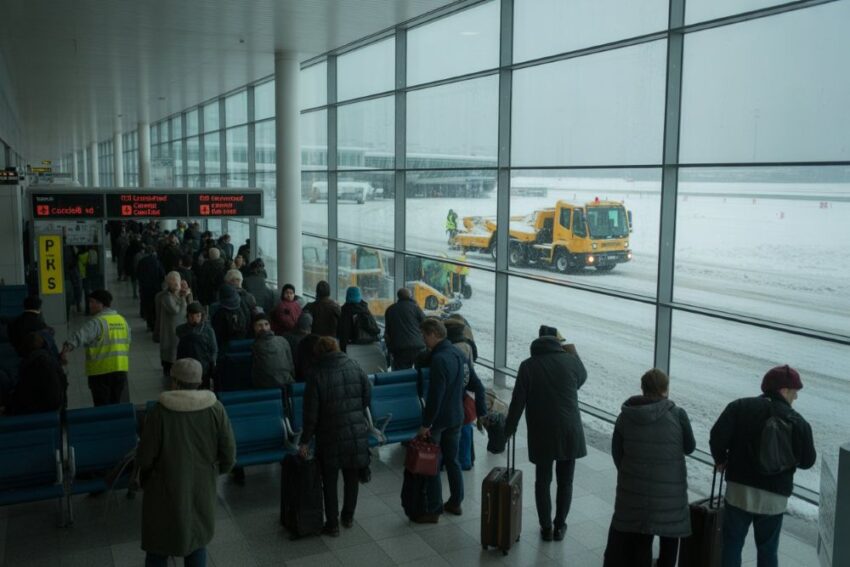
A historic snowstorm swept through Austria on Friday, causing Vienna Airport to be completely paralyzed. Hundreds of flights were canceled or delayed, leaving thousands of passengers stranded. The snowstorm, which brought record snowfall to the region, led to widespread transport chaos across the country. Vienna, a key European travel hub, was hit hardest, with the airport temporarily halting all flight operations due to the severe conditions. The storm, which blanketed the area with up to 20 centimetres (8 inches) of snow, also triggered major disruptions in road transport, including closures of highways and dangerous driving conditions. As a result, both travelers and locals faced significant challenges in moving across the capital and beyond.
This unprecedented snowstorm has underlined the vulnerability of Europe’s transport networks during extreme weather, highlighting how quickly operations can come to a standstill when nature unleashes its fury.
Runways Covered, Flights Cancelled: Vienna Airport Suspends All Operations
Early on Friday morning, Vienna’s busy airport temporarily halted all take-off and landing activity as snow piled high on tarmac and critical infrastructure. Staff and snow-clearing crews worked through the pre-dawn, but the intensity of the snowfall prevented safe operations. By mid‑morning, about 150 flights had been cancelled and over 230 arrivals were either delayed, diverted or rerouted to other airports temporarily handling traffic. Flights scheduled to depart were simply called off, and travellers were urged not to make the journey to the terminal until conditions improved.
Airport officials said that a complete suspension of services was required because heavy snow and icy track conditions made runway clearance difficult, even with multiple snow ploughs and de‑icing teams deployed. Authorities indicated that limited operations might resume around midday local time, but warned that disruptions would persist well into the afternoon and evening.
Snowfall Accumulations Reach Record Levels for February
Meteorological reports confirmed that Vienna and its surroundings received up to 20 centimetres (nearly eight inches) of fresh snow overnight, one of the largest bursts of snowfall in the region for February in more than two decades. Roads were quickly blanketed, and snowdrifts formed within hours of the first flakes falling.
The heavy snow did more than just cripple flights — it made major highways treacherous or impassable. The main expressway south of the capital was shut down for hours, blocked by snowdrifts or stranded heavy goods vehicles. Visibility on many stretches of road was so poor that motorists were urged to seek shelter rather than risk travel.
Widespread Transport Chaos Beyond the Airport
The snowstorm’s impact was not confined to Vienna Airport alone. Public transport within the city was severely disrupted, with frequent delays and cancellations reported on tram, bus and local rail services. Many residents described unusually slippery conditions forcing them to walk to work or school, pulling sledges or facing long delays.
Elsewhere in Austria, rail lines reported delays or cancellations, with national railway authorities confirming that winter weather could disrupt schedules throughout the day. Heavy snowfall slowed trains, blocked tracks and required additional emergency clearance teams to be deployed.
Power Outages and Avalanche Risks Add to Emergency Strain
Utility companies reported significant power outages in parts of southern and eastern Austria — with the region of Styria particularly affected. Tens of thousands of households were left without electricity as lines snapped or substations struggled under the weight of snow.
Emergency services were also on high alert for avalanche risk in alpine and mountainous areas around Tyrol and Salzburg. Local authorities warned skiers and hikers to stay away from off‑piste areas as heavy snow continued to increase avalanche danger to extreme levels.
Fatalities and Emergency Response Efforts Across the Country
The storm was not without human cost. Officials confirmed multiple fatalities linked to adverse conditions, including situations such as equipment accidents during snow removal and deadly avalanches in mountainous regions. Family members of victims were offered crisis support amid the tragedy.
Across affected areas, emergency crews and civil protection teams remained mobilised throughout Friday, clearing roads, supporting stranded motorists, and aiding communities isolated by deep snow. Austrian meteorological agencies forecast that while snowfall might ease later in the weekend, hazardous winter conditions could remain and require ongoing caution.
European Aviation Under Pressure: Broader Winter Travel Disruption
Vienna’s plight follows similar scenes across other major European airports in recent weeks, where cold weather and storms have stressed Europe’s air traffic infrastructure. While the exact snowstorm hitting Austria differs from earlier European windstorm events recorded last winter, the pattern of snow and ice triggering flight cancellations and delays across international hubs is a growing concern for travellers this season.
Some carriers have already altered flight plans or re‑routed aircraft in anticipation of heavy weather, but the rapid accumulation of snow in Vienna caught many by surprise and overwhelmed standard winter operations. Aeronautical authorities noted that flight disruptions might continue for days as crews work to restore normal service safely.
What Travellers Must Know Now
For passengers whose travel plans were affected on Friday, airlines and Vienna Airport authorities are urging them to check flight status directly with carriers before attempting to travel. Many airlines are offering rebooking options or refunds for cancelled flights, and ground staff continue to support affected travellers at temporary reception points around the airport.
Authorities also reminded travellers that trains and buses, while disrupted, may offer alternative routes where roads are passable. However, winter driving conditions remain challenging, and avoidance of non‑essential travel was encouraged.
Endnote: Winter’s Impact on Central Europe’s Travel Network
For now, residents of Vienna and surrounding regions continue to dig out from one of the heaviest snowfalls of the season, while travellers abroad face an extended period of uncertainty as airlines and authorities work to stabilise conditions. Though the storm’s fiercest phase is past, the effects — from cancellations to power outages — remind the world that severe winter weather remains a powerful disruptor of modern travel and daily life.
The post Vienna Airport Paralyzed by Historic Snowstorm, Hundreds of Flights Canceled and Delayed as Austria Faces Transport Chaos Amid Record Snowfall appeared first on Travel And Tour World.
Source: travelandtourworld.com



Sorry, the comment form is closed at this time.