


Vietnam, China, Thailand, United States and South Korea Tourists Hit Hard as Angkor Ticket Sales Plunge 32% — Cambodia Angkor Air, Vietnam Airlines, China Eastern, Marriott, Accor, Hilton Face Tourism Shockwaves, Here’s What Travelers Must Know Now
Vietnam, China, Thailand, United States and South Korea Tourists Hit Hard as Angkor Ticket Sales Plunge 32% — Cambodia Angkor Air, Vietnam Airlines, China Eastern, Marriott, Accor, Hilton Face Tourism Shockwaves, Here’s What Travelers Must Know Now
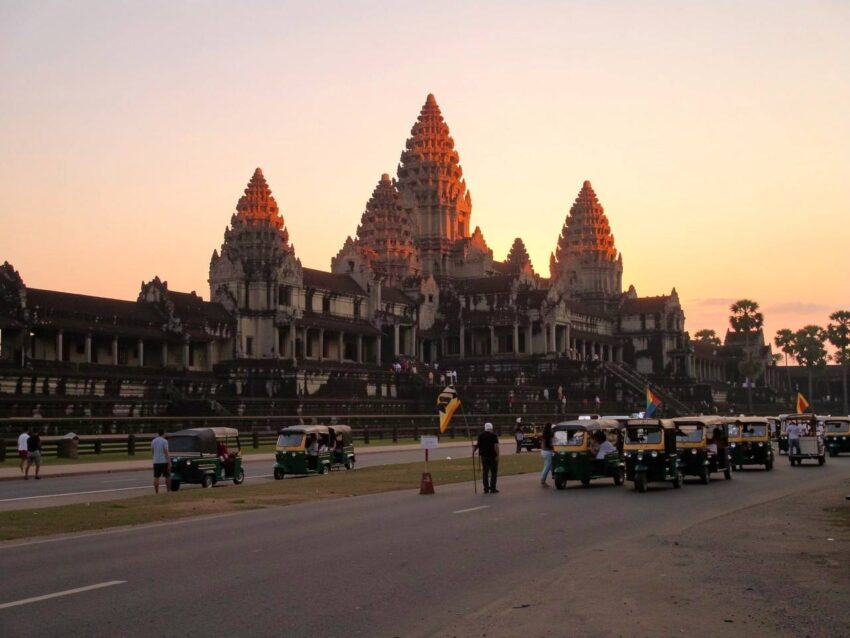
Vietnam, China and Thailand are once again at the center of Cambodia’s tourism story — but this time, the spotlight is on a sharp slowdown rather than a surge. Fresh official data from Angkor Enterprise confirms that ticket sales to the Angkor Archaeological Park fell by 32.45 percent in January and February 2026 compared with the same period last year, with revenue declining by more than 30 percent, signaling a significant dip in international leisure traffic to Siem Reap. These three countries remain Cambodia’s largest source markets by visitor numbers, alongside the United States and South Korea, according to full-year 2025 tourism statistics, making any shift in their outbound travel patterns immediately visible in Angkor’s performance. While Cambodia welcomed around 5.57 million international visitors in 2025 and generated approximately $3.7 billion in tourism revenue, the early 2026 data suggests renewed pressure linked to geopolitical tensions, border friction and softer global travel sentiment. For airlines operating regional routes and global hotel brands anchored in Siem Reap, the numbers are more than statistics — they are early warning signals. For travelers, however, the changing landscape may open doors to better fares, reduced crowds and more competitive hotel pricing at one of the world’s most iconic heritage destinations.
Vietnam, China, Thailand, United States and South Korea Tourists Hit Hard as Angkor Ticket Sales Plunge 32%
Cambodia’s tourism recovery has hit an unexpected speed bump. Fresh data from Angkor Enterprise shows that between January and February 2026, only 188,885 international tickets were sold to the Angkor Archaeological Park, marking a sharp 32.45 percent decline compared with the same period in 2025. Revenue fell to $9.17 million, down 30.32 percent year on year. January alone recorded 93,491 foreign visitors, a 36 percent drop. For a destination that anchors Cambodia’s tourism identity, these numbers are significant. The ripple effects stretch far beyond temple gates. Airlines, hotels, tour operators and travelers themselves are recalibrating.
Cambodia remains one of Southeast Asia’s most culturally compelling destinations. Yet the early 2026 downturn reflects a complex mix of geopolitical tensions, border friction between Cambodia and Thailand, slower global economic growth and weakened consumer confidence in certain markets. For travelers planning their next trip, the picture is not one of closure or crisis. Instead, it is one of transition, pricing shifts and strategic adjustments across the aviation and hospitality sectors.
Vietnam, China, Thailand, United States and South Korea Remain Cambodia’s Top Source Markets Despite Angkor’s 32% Ticket Drop
Official 2025 tourism data shows that Vietnam, China and Thailand were Cambodia’s three largest visitor markets. Vietnam sent more than 1.22 million visitors in 2025. China followed closely with approximately 1.20 million arrivals, posting strong growth compared with 2024. Thailand contributed over one million visitors. The United States brought more than 206,000 travelers, while South Korea added around 152,000. These five countries form the backbone of Cambodia’s inbound tourism economy.
When Angkor ticket sales fall by nearly one-third in early 2026, these markets feel the shift most directly. Regional travelers from Vietnam and Thailand often combine land crossings with short temple-focused stays in Siem Reap. If border sentiment tightens or travel advisories shift, these segments can decline quickly. Long-haul travelers from the United States and South Korea typically plan multi-country Southeast Asia itineraries months in advance. A change in perception can lead to cancellations or route adjustments toward neighboring destinations.
Cambodia welcomed approximately 5.57 million international visitors in 2025, down from about 6.7 million in 2024. However, tourism revenue reached around $3.7 billion, reflecting higher spending per visitor. The early 2026 Angkor slump suggests that volume pressure is returning, even as average spending trends had improved. For Vietnam, China, Thailand, the United States and South Korea, the immediate impact lies in altered travel flows and potential airline capacity shifts.
Cambodia Angkor Air, Vietnam Airlines, China Eastern and Global Hotel Brands Marriott, Accor and Hilton Adjust as Siem Reap Demand Softens
A decline in Angkor ticket sales translates almost immediately into softer demand for flights into Siem Reap Angkor International Airport. Cambodia Angkor Air, the national carrier, connects Siem Reap with Phnom Penh and regional hubs such as Hanoi, Ho Chi Minh City, Bangkok and selected Chinese cities. Vietnam Airlines operates routes linking Vietnam to Cambodia’s major gateways. China Eastern connects key Chinese cities with Southeast Asia. These airlines rely on leisure and group traffic tied closely to Angkor visits.
When visitor numbers drop by over 30 percent in the first two months of the year, airlines watch load factors carefully. They may reduce frequencies, adjust aircraft size or offer promotional fares to stimulate demand. Flexible pricing becomes common. Travelers could see discounted return fares from Hanoi, Ho Chi Minh City, Bangkok or Guangzhou into Siem Reap during off-peak months. This dynamic can benefit spontaneous travelers seeking value.
Hospitality brands are equally responsive. Marriott International, Accor and Hilton operate multiple properties across Cambodia, including luxury and upscale hotels in Siem Reap and Phnom Penh. Sofitel Angkor Phokeethra, Raffles Grand Hotel d’Angkor, Park Hyatt Siem Reap and various Marriott-branded hotels serve high-end temple visitors. When tour groups postpone trips, these hotels adjust rates, expand package offerings and enhance promotional partnerships with airlines.
Occupancy levels in Siem Reap are sensitive to Angkor ticket sales. A one-third drop in park admissions does not automatically mean a one-third fall in hotel occupancy. Some travelers still visit for cultural, culinary or business reasons. However, the signal is strong enough for revenue managers to adopt defensive strategies. Expect more bundled offers that include airport transfers, guided temple tours and dining credits.
Why Angkor’s 2026 Numbers Matter to the Wider Tourism Economy
Angkor Archaeological Park is more than a UNESCO-listed complex. It is Cambodia’s flagship attraction. Ticket prices are fixed for international visitors at $37 for a one-day pass, $62 for three days and $72 for seven days. Ticket revenue supports heritage preservation and state coffers. In 2025, Angkor generated about $44.7 million from ticket sales, down 6.5 percent compared with 2024. Early 2026 trends suggest deeper pressure.
Additional sites such as Koh Ker, Beng Mealea and Kbal Spean also contribute smaller but important revenue streams. When Angkor slows, secondary attractions feel it. Tour guides report last-minute cancellations from certain markets affected by global conflicts. International tourism is deeply linked to global political and economic trends. When uncertainty rises, discretionary long-haul travel often becomes one of the first expenses families and groups reconsider.
The National Bank of Cambodia has noted that tourism remains a critical foreign exchange earner. Even with fewer visitors in 2025 compared with 2024, total tourism revenue still edged up. This reflects higher average spending and a shift toward premium segments. If visitor numbers weaken further in 2026, maintaining yield will become more challenging for airlines and hotels.
Airline Strategy: Capacity Shifts, Promotional Fares and Network Flexibility
Cambodia’s aviation sector has been in recovery mode since the pandemic. Air passenger numbers in 2025 rose compared with 2024, with authorities targeting continued growth into 2026. Siem Reap’s new international airport was designed to handle larger aircraft and future long-haul potential. A sudden slowdown in Angkor-driven traffic tests these ambitions.
Vietnam Airlines and Cambodia Angkor Air may prioritize stronger routes between Phnom Penh and regional hubs if Siem Reap demand underperforms. China Eastern and other Chinese carriers will monitor group bookings closely. Charter traffic from China, historically a major contributor to Angkor peaks, can fluctuate quickly based on demand signals and government policy shifts.
For travelers, this environment can translate into attractive fares. Airlines often deploy tactical discounts to maintain seat occupancy. Short-haul routes from Bangkok to Siem Reap or from Ho Chi Minh City to Phnom Penh may see promotional campaigns. Flexible booking policies are also more common during uncertain demand periods. Tourists planning multi-city itineraries across Vietnam, Thailand and Cambodia should monitor airline websites for flash sales and seasonal deals.
Hospitality Response: Rate Adjustments, Value-Added Packages and Experience Diversification
Hotels in Siem Reap are not passive observers. International brands such as Marriott, Accor and Hilton operate with sophisticated revenue management systems. When booking curves soften, they introduce early-bird discounts, free-night offers or bundled experiences. A three-night temple package may include breakfast, airport transfers and guided sunrise visits to Angkor Wat at competitive pricing.
Luxury properties continue to emphasize experiential travel. Cooking classes, Apsara dance dinners, wellness retreats and curated temple tours help justify room rates even during demand dips. Boutique hotels and independent guesthouses may compete aggressively on price. For budget-conscious travelers, 2026 could be a year of exceptional value in Siem Reap.
Phnom Penh’s hospitality sector is less directly tied to Angkor ticket sales. The capital attracts business travelers, government delegations and regional visitors. If Siem Reap demand weakens, some hotels in Phnom Penh may benefit from travelers adjusting itineraries to focus more on urban experiences, culinary tourism and riverfront attractions.
Travel Advice: What Tourists Should Know Before Booking Cambodia in 2026
Cambodia remains open and welcoming. Angkor Archaeological Park operates as usual. Ticketing is centralized through Angkor Enterprise, and visitors can purchase passes online or at official counters. Security and preservation measures remain in place. Travelers should always verify visa requirements. Many nationalities can obtain a tourist visa on arrival or apply for an e-visa in advance.
Monitor regional developments. Border tensions between Cambodia and Thailand have influenced travel sentiment. If planning overland crossings, allow extra time and check official updates before departure. Air travel remains the most predictable option for reaching Siem Reap and Phnom Penh.
Consider itinerary flexibility. Combining Cambodia with Vietnam or Thailand remains popular. For example, travelers can fly from Hanoi to Siem Reap, explore Angkor for three days and then continue to Bangkok or Ho Chi Minh City. If flight schedules shift, alternate connections through Phnom Penh are often available.
Travel insurance is essential. In times of geopolitical uncertainty, comprehensive coverage protects against unexpected cancellations or route changes. Many insurers now include clauses related to conflict zones and government advisories.
Market-Specific Outlook: Vietnam, China, Thailand, United States and South Korea
Vietnam and Thailand benefit from proximity. Short-haul flights and land crossings allow quick rebounds when sentiment improves. If promotional fares emerge, weekend temple trips could recover rapidly. China remains a strategic market. Strong growth in 2025 demonstrated pent-up demand. If group travel stabilizes, Chinese arrivals could offset some 2026 softness.
The United States market is long-haul and higher spending. American travelers often stay longer and combine Angkor with beach destinations or regional tours. Any prolonged perception of instability could delay bookings, but value pricing may attract adventurous travelers seeking less crowded temple experiences.
South Korea has historically shown consistent interest in Cambodia. Korean carriers and tour operators may adjust capacity based on demand signals. If hotel rates become more competitive, package tours could regain momentum in the second half of 2026.
The Bigger Picture: Cambodia’s Tourism Balancing Act
Cambodia’s tourism sector has demonstrated resilience. From pandemic collapse to recovery phases, the industry adapts quickly. The early 2026 Angkor ticket decline is serious but not catastrophic. It reflects broader global uncertainties rather than a structural failure of Cambodia’s appeal.
For airlines, it means agile capacity management. For hotels, it means sharper pricing and creative packaging. For travelers, it means opportunity. Fewer crowds at iconic sunrise viewpoints. Competitive room rates at heritage hotels. Easier restaurant reservations in Siem Reap’s Old Market district.
Tourism authorities continue to promote domestic travel and diversify attractions beyond Angkor. Coastal destinations such as Sihanoukville and cultural centers like Battambang are part of long-term strategies to reduce overreliance on a single attraction.
Cambodia’s story in 2026 is one of recalibration. Vietnam, China, Thailand, the United States and South Korea remain core markets. Cambodia Angkor Air, Vietnam Airlines and China Eastern remain vital connectors. Marriott, Accor and Hilton remain pillars of the hospitality landscape. The numbers show pressure, but they also reveal adaptability.
Vietnam, China and Thailand are driving Cambodia’s tourism headlines again — but this time, it’s about a sharp 32 percent drop in Angkor ticket sales in early 2026. As official data confirms a significant slowdown in international arrivals to Siem Reap, airlines and global hotel brands are recalibrating while travelers weigh new opportunities and risks.
For tourists, the message is clear. Cambodia is open. Angkor stands as majestic as ever. Prices may be more favorable. Planning smartly, staying informed and embracing flexibility can turn a headline about decline into a personal travel advantage.
The post Vietnam, China, Thailand, United States and South Korea Tourists Hit Hard as Angkor Ticket Sales Plunge 32% — Cambodia Angkor Air, Vietnam Airlines, China Eastern, Marriott, Accor, Hilton Face Tourism Shockwaves, Here’s What Travelers Must Know Now appeared first on Travel And Tour World.
Source: travelandtourworld.com



Sorry, the comment form is closed at this time.