


Washington D.C. Revolutionizes Air Traffic Control with Digital Flight Strips at Reagan National Airport
Washington D.C. Revolutionizes Air Traffic Control with Digital Flight Strips at Reagan National Airport
In a historic move, Washington D.C.’s Ronald Reagan National Airport (DCA) has officially moved away from the traditional use of paper Flight Progress Strips, embracing a sophisticated digital ground control system. This monumental upgrade, which occurred earlier this week, is a significant milestone in the Federal Aviation Administration’s (FAA) long-awaited modernization of the United States National Airspace System. This transition marks a turning point in the aviation industry as the US seeks to catch up with countries like Canada and the United Kingdom, who transitioned to electronic systems years ago. The upgrade is part of the FAA’s $12.5 billion infrastructure program aimed at enhancing air traffic control systems nationwide, ensuring greater efficiency, safety, and coordination in one of the busiest and most complex airspaces in the world.
Washington D.C. Makes Historic Leap in ATC Modernization
The digital transformation at Washington D.C.’s DCA marks a pivotal moment in the broader efforts to overhaul US air traffic control. For decades, air traffic controllers at DCA relied on paper strips to manage the movements of aircraft. These strips, containing key operational details such as call signs, routing, and departure sequencing, were manually handled by controllers to track aircraft progress. While this system remained in place for years, the world’s aviation authorities began embracing digital solutions, enhancing efficiency and safety. Countries like Canada transitioned from paper strips over 25 years ago, and the United Kingdom completed its nationwide transition by 2018. The FAA’s transition, though long overdue, is now becoming a reality, and Washington D.C. is at the forefront of this significant change.
A Technological Leap: The Shift from Paper to Digital Strips
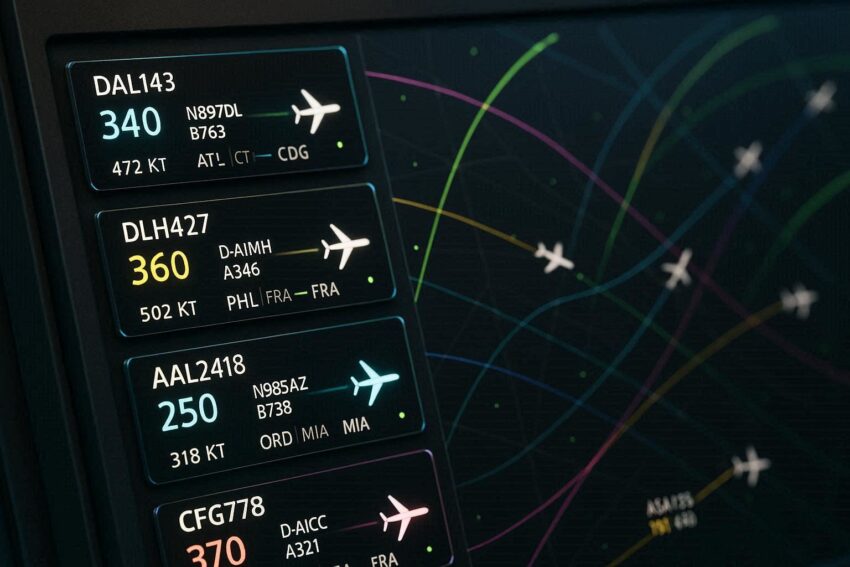
For years, air traffic controllers at DCA used paper Flight Progress Strips to manage aircraft movements, physically moving them across plastic holders to track aircraft from gate departure to takeoff. The new system, powered by Leidos under the FAA’s Terminal Flight Data Manager program, replaces these manual processes with a synchronized, real-time digital interface. This advancement allows controllers to access flight data across various workstations and utilize predictive modeling tools for sequencing and congestion management. The system is a game-changer for operational safety, reducing manual errors and improving coordination by ensuring that all controllers have access to the same up-to-the-minute information.
Efficient Operations Amidst One of the Nation’s Busiest Airports
Washington D.C.’s Reagan National Airport operates within a tightly controlled airspace, making precise coordination essential. With limited runways and its proximity to federal airspace, the airport demands high levels of efficiency and accuracy from air traffic controllers. The digital flight strip system not only minimizes manual handling errors but also facilitates better situational awareness among controllers. By sharing real-time data across positions, the system helps to streamline communications and decision-making, reducing the chances of delays. Additionally, predictive tools allow controllers to anticipate and address congestion before bottlenecks form, optimizing taxiway traffic flow. These changes are expected to enhance operational efficiency, reduce ground delays, and improve on-time performance at one of the nation’s most constrained airports.
Broader Implications for the US National Airspace System
While the transition at DCA is a critical milestone, it is just one part of the FAA’s broader modernization efforts. The $12.5 billion program is focused on upgrading aging infrastructure across the country, with the aim of reducing reliance on paper-based processes and outdated systems. The FAA is working to introduce similar upgrades at other major airports across the United States, ensuring a smoother, more coordinated national air traffic control system. The deployment of digital ground strips is expected to significantly reduce operational inefficiencies and enhance safety nationwide, as more airports make the switch to modern digital systems.
A Step Toward the Future: What’s Next for the FAA?
The successful implementation of the digital strip system at Washington D.C.’s Reagan National Airport sets a strong precedent for other airports across the United States. Although air traffic control modernization has faced criticism for its slow pace, the advancements at DCA signal real progress. Moving forward, the FAA will continue to roll out digital upgrades at other airports, aiming to improve overall operational reliability and safety across the US. These changes are expected to contribute to smoother airport operations and a more seamless travel experience for passengers.
Digital Ground Control Systems: A Glimpse into the Future of Air Traffic Management
The transition to digital ground control systems is part of a much larger vision to modernize the US National Airspace System. As more airports implement similar systems, the aviation industry will see vast improvements in terms of safety, efficiency, and coordination. The FAA’s efforts will continue to evolve, with a focus on minimizing delays, improving situational awareness, and ensuring a smoother flow of air traffic across the nation. Washington D.C. has undoubtedly set the standard for future upgrades, and as other airports follow suit, the entire air traffic control system in the US will become more reliable and better equipped to handle the growing demands of modern air travel.
The post Washington D.C. Revolutionizes Air Traffic Control with Digital Flight Strips at Reagan National Airport appeared first on Travel And Tour World.
Source: travelandtourworld.com



Sorry, the comment form is closed at this time.