


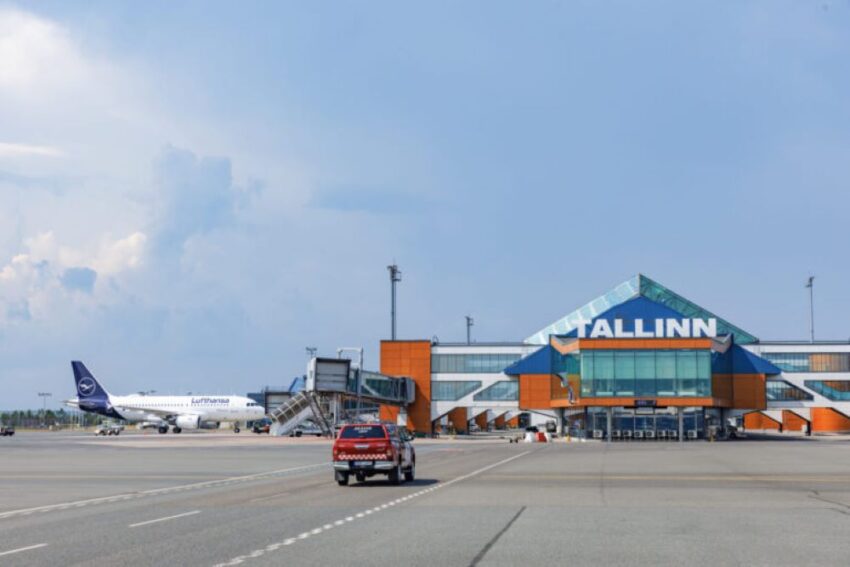
What Makes Tallinn Airport #31 in The Europe’s Top 50 Airports of 2026 List? Discover the Digital Innovation and Expansion Plans that Redefine Estonia’s Aviation Powerhouse
What Makes Tallinn Airport #31 in The Europe’s Top 50 Airports of 2026 List? Discover the Digital Innovation and Expansion Plans that Redefine Estonia’s Aviation Powerhouse
Tallinn Airport (Lennart Meri Tallinn Airport) has emerged as a front-runner in the aviation sector, steadily gaining recognition as one of the top airports in Europe, particularly in 2026. The Travel and Tour World (TTW) ranking, considers innovation-driven approach placed Tallin airport #31 in the Top 50 Airports of Europe in 2026 chart . Its rise to prominence is not solely because of the services it provides but also its innovation-driven approach. The airport, located in the heart of Estonia’s capital, has embraced a digital-first strategy, enhancing passenger experiences and operational efficiencies. Through cutting-edge technologies and strategic investments, Tallinn Airport has shaped itself into a modern, sustainable, and customer-centric hub, making it a standout in Europe.
Digital Innovation Driving Passenger Experience
A major component of Tallinn Airport’s success lies in its digital transformation, which is designed to improve the overall passenger experience. The airport has become a prime example of how artificial intelligence (AI), automation, and advanced infrastructure can streamline airport operations and enhance customer satisfaction.
Self-Service Check-in and Smart Security Solutions
One of the most significant developments at Tallinn Airport is the widespread implementation of self-service check-in kiosks and automated bag-drop systems. These innovations have drastically reduced wait times, allowing passengers to manage their boarding process without relying on traditional check-in desks. Additionally, electronic boarding passes and digital security controls have further reduced the time spent in queues, ensuring a smooth and efficient experience for passengers.
The airport has also integrated smart security screening systems that use 3D imaging technology. This next-generation system enhances the speed and accuracy of baggage scanning, allowing for quicker security checks without compromising safety. Such systems are among the most advanced in Europe, demonstrating the airport’s commitment to embracing new technologies that improve both speed and safety.
Operational Intelligence and Real-Time Monitoring
Tallinn Airport has leveraged connected sensors, digital signage, and data analytics to enhance operational efficiency. These systems enable the real-time monitoring of various airport functions such as baggage handling, gate allocation, and passenger flow. Centralized software systems allow airport management to stay ahead of any operational hiccups, optimizing the passenger journey and enhancing the airport’s ability to respond to emerging challenges.
Operational Growth and Efficiency
Despite its relatively smaller size compared to some of Europe’s largest airports, Tallinn has demonstrated impressive growth and operational efficiency. This is largely due to its commitment to technological advancements and its strategic location as a hub for both business and leisure travelers.
Continuous Growth in Passenger Numbers
In 2024 and 2025, Tallinn Airport handled a record number of passengers, with around 3.5 million travellers moving through its gates. This growth is attributed to the airport’s increasing appeal as a travel hub in Northern Europe. The seamless integration of digital systems into daily operations has played a key role in facilitating this growth by allowing the airport to handle higher volumes of passengers without compromising service quality.
Expansion Plans for the Future
Tallinn Airport has ambitious expansion plans set for completion by 2030, including a significant terminal upgrade aimed at increasing its capacity to 5 million passengers per year. The airport is heavily investing in sustainable infrastructure, with digital and automated systems set to be integrated throughout the new terminal areas. The upcoming expansion aims to accommodate future growth while maintaining the high standards of service Tallinn Airport is known for.
Commitment to Sustainability
Tallinn Airport has committed itself to becoming a leader in sustainability in the aviation sector. The airport’s environmental initiatives are aligned with its long-term goal of reducing its carbon footprint and promoting sustainable practices throughout its operations.
Carbon Neutrality and Renewable Energy
In 2025, Tallinn Airport achieved Level 3+ (carbon neutrality) of the Airport Carbon Accreditation (ACA) program. The airport has reduced its direct and energy-related emissions by a staggering 96% compared to its base year of 2018. The emissions that remain cannot be reduced through technological means have been offset with internationally recognized carbon credits. This commitment to carbon neutrality by 2025 sets an ambitious yet achievable target, placing Tallinn at the forefront of European airports in environmental responsibility.
To further enhance its sustainability, the airport is transitioning to renewable energy sources and building solar parks to support its energy needs. The airport also utilizes energy-efficient solutions throughout its facilities, including the use of geothermal heat pumps and advanced LED lighting systems, making Tallinn Airport an exemplar in energy management.
Green Initiatives and Environmental Impact
Tallinn Airport’s environmental goals include the reduction of CO₂ emissions, sustainable water management, and noise reduction. The airport is committed to minimizing its environmental impact through careful waste management, including the sorting and recycling of waste, and ensuring that its operations have a minimal effect on the local biodiversity. The airport’s approach to sustainability is reflected in its use of green technologies in construction and daily operations, ensuring that it remains an environmentally responsible facility for years to come.
VIP Services and High-Quality Customer Experience
Tallinn Airport has also gained a reputation for offering a superior customer experience through services designed for business and luxury travelers. The airport’s VIP services cater to those who value privacy, comfort, and personalized attention.
Exclusive VIP Services at FBO Tallinn
The airport’s VIP services are hosted in the exclusive FBO Tallinn complex, a state-of-the-art facility providing an environment that combines comfort and efficiency. VIP service includes private check-in, security screening, and border and customs procedures, ensuring that passengers experience the utmost convenience and minimal waiting times. Additionally, the service includes access to a VIP car park, private transfer to and from the aircraft, and a selection of refreshments during their time in the FBO complex.
Tallinn Airport also offers a range of additional services, including catering arrangements, limousine rentals, and hotel or restaurant reservations, ensuring that every aspect of a passenger’s journey is attended to. For those traveling on public holidays or during late hours, the VIP service is available at a surcharge, ensuring that even at odd hours, comfort and luxury remain a priority.
Tallinn Airport’s Role in Regional Economic Development
Tallinn Airport is not just an aviation hub, it also plays a vital role in the local and regional economy. The development of Airport City, located next to the airport, is a significant project that aims to turn the area surrounding Tallinn Airport into a global business and logistics hub.
Airport City Development
Airport City is designed to create a vibrant business district, where aviation, logistics, and commercial enterprises can thrive in proximity to Tallinn Airport. The area is attracting international companies, with new projects like the DHL Express and Magnetic MRO facilities further cementing Tallinn’s position as a key player in the logistics sector. These developments contribute to both the airport’s revenue base and the broader regional economy, creating jobs and driving investment in the area.
The southern part of Airport City, in particular, is rapidly becoming a hub for international freight companies, with state-of-the-art facilities designed to accommodate the growing demands of air cargo. This development is set to further enhance the competitiveness of Tallinn Airport on the global stage.
Tallinn Airport’s Bright Future
Tallinn Airport’s rank #31 in Europe’s best airports in 2026 list is a result of its commitment to digital innovation, sustainability, and high-quality service. By integrating advanced technologies, streamlining operations, and prioritizing passenger experience, the airport has created a model that others are now looking to emulate. With plans for further expansion, an ongoing focus on environmental sustainability, and a growing role in the regional economy, Tallinn Airport is well on its way to becoming one of Europe’s most successful and admired transportation hubs.
As it continues to modernize and grow, Tallinn Airport is setting a standard for what an efficient, sustainable, and customer-focused airport can achieve. Its journey is a testament to the power of innovation in transforming the travel experience and its future looks incredibly bright as it expands to meet the needs of a growing global traveler base.
The post What Makes Tallinn Airport #31 in The Europe’s Top 50 Airports of 2026 List? Discover the Digital Innovation and Expansion Plans that Redefine Estonia’s Aviation Powerhouse appeared first on Travel And Tour World.
Source: travelandtourworld.com



Sorry, the comment form is closed at this time.