


Whiteout in the North: How the February 2026 Blizzard Paralyzed the Dakotas and Minnesota
Whiteout in the North: How the February 2026 Blizzard Paralyzed the Dakotas and Minnesota
For the residents of the Upper Midwest, winter is rarely a stranger, but the storm that roared across the Dakotas and Minnesota on Wednesday, February 18, 2026, was one for the history books. What began as a shifting low-pressure system near the Nebraska-South Dakota border quickly intensified into a “shutdown blizzard,” leaving a trail of whiteout conditions, power outages, and stranded travelers across three states.
From the rugged North Shore of Lake Superior to the flat expanses of the Red River Valley, the message from local authorities was unified and urgent: Stay home.
Minnesota’s North Shore: The Bullseye of the Storm
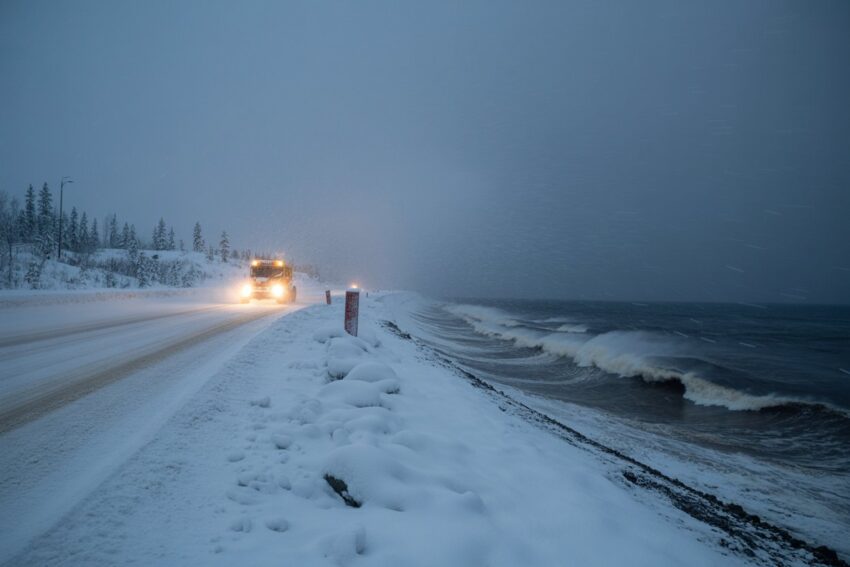
While the entire region felt the chill, northeastern Minnesota faced the brunt of the system’s fury. The “Arrowhead” region became the epicenter of a historic snowfall event, with accumulations reaching a staggering 16 to 24 inches in some areas, and localized totals near the Canadian border pushing toward 30 inches.
The combination of wet, heavy snow and wind gusts peaking at 63 mph created a recipe for disaster. Along Highway 61, visibility dropped to a tenth of a mile—effectively a total whiteout. The Minnesota Department of Transportation (MnDOT) took the rare step of closing major stretches of the highway between Duluth and the Canadian border, while power lines, weighted down by “concrete-like” snow, snapped under the wind’s pressure. At the height of the storm, over 11,000 customers were left in the dark across the state.+2
North Dakota: High Winds and Flash Freezes
Across the border in North Dakota, the storm took a different but equally dangerous form. North of Highway 200, snow fell at rates exceeding an inch per hour, leading to storm totals of 5 to 10 inches. In Grand Forks and Fargo, the primary concern shifted from the falling snow to the rising winds.
The northerly winds, gusting between 35 and 45 mph, turned the flat landscape into a blinding sea of drifting snow. In Barnes County, officials issued a “No Travel Advised” warning as temperatures plummeted into the teens. This drop led to a “flash freeze,” where roads that were wet from earlier rain or sleet instantly turned into sheets of black ice, catching many morning commuters off guard.
South Dakota: The Blizzard’s Southern Edge
South Dakota did not escape the system’s reach. Blizzard warnings were in effect for a corridor stretching from Aberdeen south to Redfield, and westward toward Mobridge. While snowfall totals were slightly lower than their northern neighbors—ranging from 2 to 6 inches—the wind was the true antagonist. Gusts across the rest of the state triggered “Wind Advisories,” creating hazardous crosswinds for high-profile vehicles on Interstate 29 and Interstate 90.
The Human Impact: A Community in Gridlock
Beyond the meteorology, the storm disrupted the fundamental rhythm of life. Dozens of school districts, including those in Duluth, Grand Rapids, and Cook County, announced full closures, while others shifted to online learning. For those caught in transit, the experience was harrowing. The Minnesota State Patrol reported numerous spinouts and jackknifed semis along Interstate 94, a reminder that even the most experienced winter drivers are no match for a true blizzard.+1
Duluth Mayor Roger Reinert summarized the sentiment on social media: “Folks, it is BAD out there. Stay home and off the roads if you can.”
Survival Tips: Living Through the 2026 Surge
As the system begins to weaken on Thursday, February 19, the cleanup begins. For those still navigating the aftermath, safety remains the priority:
The 24-Hour Rule: Avoid non-essential travel for at least 24 hours after the snow stops to allow plow crews to clear the primary and secondary routes.
Check the “Kit”: If you must travel, ensure your winter survival kit is stocked with blankets, flares, a shovel, and extra phone chargers.
Flash Freeze Awareness: Watch for “black ice” on overpasses and shaded areas as temperatures remain below freezing through the weekend.
The February 2026 storm was a stark reminder of the raw power of the Northern Plains winter. While the snow will eventually melt, the stories of neighbors helping neighbors dig out of two-foot drifts will remain a testament to the resilience of those who call this region home.
The post Whiteout in the North: How the February 2026 Blizzard Paralyzed the Dakotas and Minnesota appeared first on Travel And Tour World.
Source: travelandtourworld.com



Sorry, the comment form is closed at this time.