


Why Japan and South Korea Remain the Top Spring Destinations for Filipino Travellers in 2026
Why Japan and South Korea Remain the Top Spring Destinations for Filipino Travellers in 2026
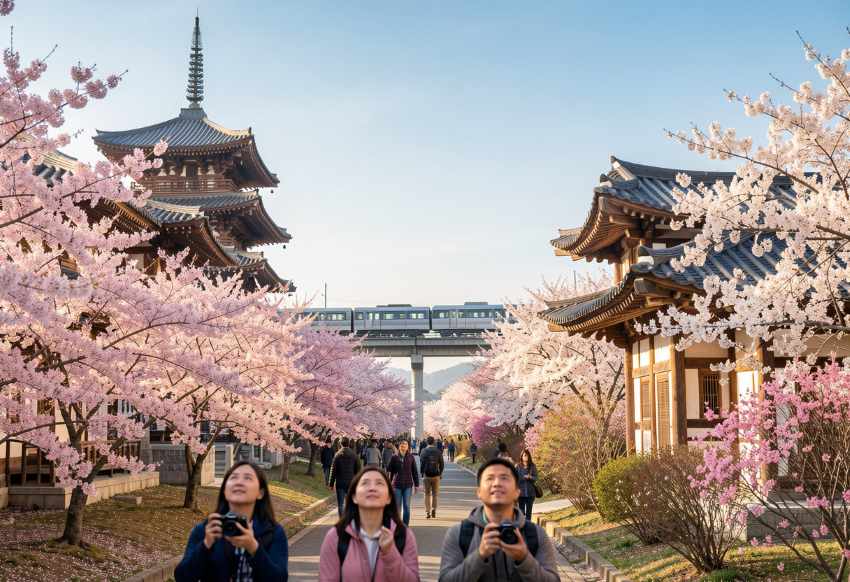
The sweltering arrival of the Philippine summer is traditionally accompanied by a mass exodus to the cooler climates of the north. As the tropical heat rises, a distinct seasonal migration occurs, with Filipino travellers exchanging humid afternoons for the crisp, petal-scented air of East Asia. Klook, a leading travel experiences platform, has released its latest Spring Readiness Index, which sheds more light on this annual phenomenon. Based on a comprehensive survey of 900 travellers from nine major Asian markets, the data confirms that the allure of the “Sakura” and “Beot-kkot” seasons remains unbreakable for those seeking respite from the equator’s glare.
The Undisputed Sovereignty of Japan and South Korea
In the competitive landscape of regional tourism, the hierarchical dominance of Japan and South Korea is reaffirmed year after year. According to the index, Japan is favoured by a staggering 78 percent of respondents, maintaining its position as the ultimate spring sanctuary. South Korea is not far behind, with 52 percent of travellers identifying it as a primary destination for the March to April window.
The primary motivation for these journeys is the pursuit of “time-limited natural spectacles”. It is noted in the research that travellers are increasingly driven by the FOMO (fear of missing out) associated with cherry blossoms. These ephemeral blooms are viewed as moments that cannot be postponed, creating a sense of urgency that dictates the regional travel calendar. The ephemeral nature of the blossoms is balanced by the cool, temperate climate, which provides a stark and welcome contrast to the rising temperatures found back home in the Philippines.
A Shift Toward Regional Exploration
While the neon lights of Tokyo and the bustling streets of Seoul continue to serve as major gateways, a significant shift in travel patterns is being recorded. The modern traveller is no longer satisfied with a singular urban experience. Instead, a preference for multi-destination itineraries is being embraced by approximately two-thirds of the travelling population.
In Japan, interest is being redirected away from the “Golden Route” toward regional treasures. Cities such as Nagoya and Hiroshima are being explored with newfound curiosity, while the scenic landscapes of Sapporo, Fukuoka, and Kobe are being integrated into longer, more diverse trips. A parallel trend is observed in South Korea, where the focus is being expanded beyond the capital. Regions such as Gyeonggi-do and Gangwon-do are being frequented for their natural beauty, while the volcanic landscapes of Jeju Island and the ancient, “museum-without-walls” atmosphere of Gyeongju are being highlighted by those seeking a deeper cultural connection.
Navigating the Anxiety of the “Perfect Peak”
Despite the romanticism associated with spring travel, the planning process is not without its stressors. Crowding at popular landmarks is cited by 47 percent of survey participants as a primary concern, with long queues and overwhelming foot traffic viewed as significant deterrents to a peaceful holiday. Furthermore, the unpredictable nature of botany remains a source of anxiety; 41 percent of travellers expressed a fear of missing the peak bloom period due to fluctuating weather patterns.
In response to these anxieties, a strategic approach to booking is being utilized. It is reported that 70 per cent of travellers now wait until within two months of their departure date to finalize their tours and activities. This condensed booking window is largely attributed to the reliance on updated bloom forecasts, ensuring that itineraries are perfectly aligned with the whims of nature.
Intentionality and Innovation in Travel Planning
The philosophy of the modern Filipino traveller is described as one of “intentionality”. A delicate balance is being struck between the desire for luxury and the necessity of affordability. Travel is no longer viewed as a mere escape but as a curated experience where comfort and memorability are prioritized.
To mitigate the financial and emotional risks of missing the blossoms, innovative solutions are being introduced to the market. A “Bloom Back Guarantee” is now offered for specific tours, providing a 30 per cent refund if the flowers fail to manifest during the official forecast period. This safety net is complemented by various seasonal incentives, including significant discounts on accommodation and transportation, as well as reduced entry fees to major attractions such as Everland, the largest theme park in South Korea.
The Role of Connectivity and Accessibility
These northern neighbours’ enduring popularity is bolstered by their governments’ strong infrastructure and visa policies. East Asia’s ease of transit and high standards of hospitality ensure that it remains the preferred destination for the Philippine market. As the summer of 2026 approaches, the trend of chasing the “spring frost” remains strong. Filipino travellers are expanding their maps, looking beyond familiar horizons to discover new stories written in the falling petals of the north.
The post Why Japan and South Korea Remain the Top Spring Destinations for Filipino Travellers in 2026 appeared first on Travel And Tour World.
Source: travelandtourworld.com


Sorry, the comment form is closed at this time.