


Why Sibu Will Dominate Malaysia’s Tourism Scene in 2026: Unbelievable Cultural and Scenic Attractions Await!
Why Sibu Will Dominate Malaysia’s Tourism Scene in 2026: Unbelievable Cultural and Scenic Attractions Await!
Sibu, a hidden gem in the heart of Sarawak, Malaysia, is gearing up to capture the spotlight as a premier destination for travellers. As part of the country’s Visit Malaysia 2026 (VM2026) initiative, the town is putting a strong emphasis on community collaboration and cultural heritage to increase its tourism appeal. Local leaders and businesses, along with government support, are coming together to position Sibu as a key player in Malaysia’s tourism sector.
In a recent address, Datuk Seri Tiong King Sing, Malaysia’s Minister of Tourism, Arts and Culture, urged Sibu’s residents and associations to work together to showcase the town’s unique cultural richness. Tiong stressed that by uniting all local communities, from indigenous groups to business owners, Sibu could better attract domestic and international visitors. He acknowledged that the tourism industry is essential to the region’s economic growth and stressed that collective efforts will ensure the success of Sibu’s involvement in Visit Malaysia 2026.
Tourism Malaysia has placed significant importance on inclusivity and community-driven tourism development. As part of VM2026, Sibu is expected to highlight its multicultural heritage, rich history, and beautiful landscapes. By emphasising these elements, the town hopes to appeal to a broad range of travellers looking for authentic, immersive experiences. Local events, such as the Borneo Cultural Festival, continue to attract both regional and international attention, showcasing Sibu’s diverse ethnic groups, their traditions, and culinary delights.
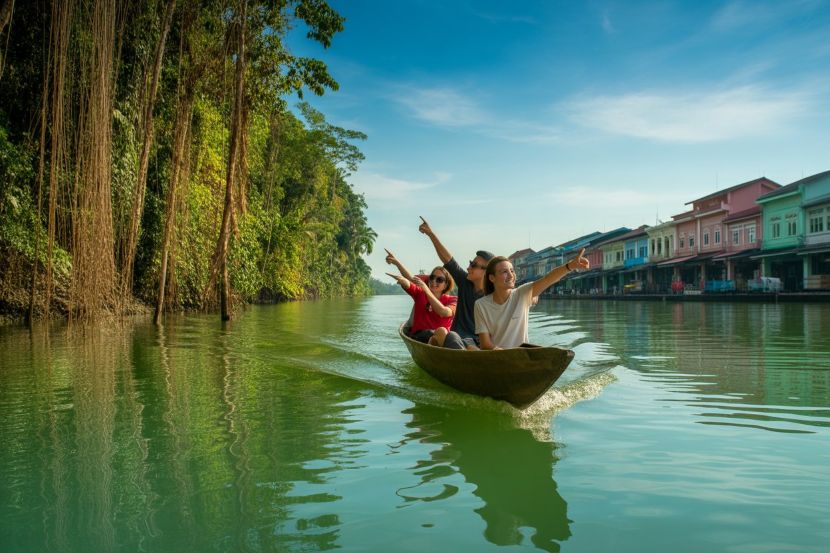
With Sibu’s strategic location along the Rajang River, the town offers visitors an opportunity to explore both natural beauty and historical landmarks. Sites such as the Sibu Heritage Centre and the iconic Central Market are now part of Sibu’s expanding tourism offerings. These locations give tourists a glimpse into the town’s historical significance, culture, and lifestyle. In addition, Sibu’s riverfront attractions have been enhanced to provide serene and scenic experiences, such as river cruises and eco‑tourism activities that introduce visitors to the local biodiversity.
Federal funding has also been allocated to enhance the quality of Sibu’s tourism sector. A financial package of RM100,000 was granted to the United Chinese Associations (UCA) to assist in promoting year-round cultural and tourism programmes. These initiatives include organizing traditional craft exhibitions, food festivals, and heritage tours, all aimed at making Sibu more appealing to a wider audience. The central message here is clear: when communities work together, they create a more sustainable, vibrant tourism ecosystem that benefits all.
Sibu’s business community is already responding to the growing interest in cultural and eco‑tourism by offering packages that allow visitors to experience the best of both worlds. Hotels, restaurants, and tour operators are creating new experiences that align with Malaysia’s 2026 tourism vision. Collaborations with regional airlines are also playing a vital role in making travel to Sibu more accessible, with better connections to major cities such as Kuala Lumpur, Kuching, and Singapore. This expanded connectivity will help increase footfall, giving Sibu the potential to become a prominent destination within Southeast Asia.
The town’s business operators are encouraged to continue promoting the unique hospitality culture that Sibu is known for. Community organisations have been instrumental in supporting Sibu’s reputation as a welcoming destination, ensuring that visitors not only experience the attractions but also feel the warmth and charm of the locals. Residents, whether involved in tourism or not, are being encouraged to take on the role of tourism ambassadors, making sure every visitor has a positive and memorable experience.
As tourism grows, so too does Sibu’s local economy. The government expects that the increase in visitors will translate into job creation, particularly in hospitality, retail, and tour services. Increased tourism spending will not only enhance the town’s GDP but also improve infrastructure and public services, benefiting both residents and visitors alike.
Looking ahead to 2026, Sibu is ready to take advantage of the momentum generated by Visit Malaysia 2026. The Ministry of Tourism, Arts and Culture has committed to supporting the town’s growth by prioritising its development in national tourism campaigns. With continued community cooperation and strong government backing, Sibu is poised to become one of Malaysia’s must‑visit destinations. As Tiong highlighted, only by staying united and focused on common goals can Sibu fully realise its tourism potential, making it an essential part of Malaysia’s tourism landscape in the coming years.
For tourists, Sibu represents a rare opportunity to experience authentic Sarawakian culture, immerse themselves in local traditions, and enjoy a range of activities that highlight the region’s natural beauty. The town’s commitment to fostering unity and embracing its heritage ensures that Sibu’s tourism future is bright, and the journey to 2026 promises to be one of growth, innovation, and prosperity for all involved.
The post Why Sibu Will Dominate Malaysia’s Tourism Scene in 2026: Unbelievable Cultural and Scenic Attractions Await! appeared first on Travel And Tour World.
Source: travelandtourworld.com

Sorry, the comment form is closed at this time.