


Why the Coastal Gems of Alabama are Surpassing Records as the Ultimate Year-Round Escape
Why the Coastal Gems of Alabama are Surpassing Records as the Ultimate Year-Round Escape
The shoreline of Alabama is currently experiencing a transformative era in its travel history, transitioning from a seasonal summer retreat to a year-round tourist hotspot. During the most recent annual Tourism Summit, Gulf Shores & Orange Beach Tourism (GSOBT) revealed a wealth of data indicating a significant increase in visitor engagement and economic impact. As the 2026 spring break season begins, the region is being recognised not only for its white-quartz sands but also for a strategic expansion that is reshaping the local economy and how visitors interact with the Gulf Coast.
A Decade of Unprecedented Economic Growth
The financial landscape of Alabama’s beaches has undergone a massive shift over the last ten years. Based on the figures presented for the 2025 fiscal year, it was revealed that lodging rental expenditures across Gulf Shores, Orange Beach, and Fort Morgan reached an all-time high of $923 million. This milestone represents a substantial increase from the $871 million recorded in 2024. More impressively, it was noted that this revenue has more than doubled when compared to the statistics reported a decade ago.
This upward trajectory is not limited to accommodations alone. The retail sector has also experienced a steady incline, with $1.42 billion in sales reported by local businesses in 2025. While this is a modest increase from the previous year’s $1.41 billion, it signifies a stable and resilient consumer market. Furthermore, an increase in the number of nights available in the vacation rental market was documented, suggesting that the inventory of available properties is being consistently expanded to meet the growing appetite for coastal getaways.
The Shift Toward a Four-Season Destination
For decades, the Gulf Coast was primarily viewed through the lens of a summer holiday. However, recent patterns suggest that this narrative is being rewritten. Data collected over the previous three years indicates that while the summer remains the peak period for travel, the shoulder seasons of spring and fall are now maintaining steady occupancy rates. Minimal variances in year-over-year visitation for both hotels and vacation rentals during these months were highlighted at the summit.
The move toward year-round visitation is being viewed as a victory for the local community. It was explained by leadership that consistent occupancy throughout the calendar year is essential for the stability of local businesses. When tourism is sustained outside of the traditional peak months, staff members can be kept in year-round employment, reducing the economic volatility that often plagues seasonal beach towns. This stability fosters a more robust service industry, which in turn enhances the overall experience for the traveller.
Infrastructure and the Future of Sports Tourism
As the visitor economy expands, so too must the infrastructure that supports it. A significant portion of the summit was dedicated to the discussion of future development projects, most notably the Herbert J. Malone Sportsplex. This ambitious project is planned for a site encompassing over 111 acres, located north of Coastal Gateway Boulevard and in close proximity to the Foley Beach Express.
Although finalized construction timelines have yet to be established, it was confirmed that zoning requests and detailed planning documents have already been submitted. The proposed complex is expected to include a variety of outdoor sports fields, ample open space, and a public walking path. The necessity for such facilities is driven by the rapid growth of sports tourism in the region. By hosting regional and national tournaments, Alabama’s beaches are able to attract a diverse demographic of travellers whose visits are not solely dependent on beach weather, further cementing the area’s status as a multi-faceted destination.
Modern Marketing and the “Coastal Code”
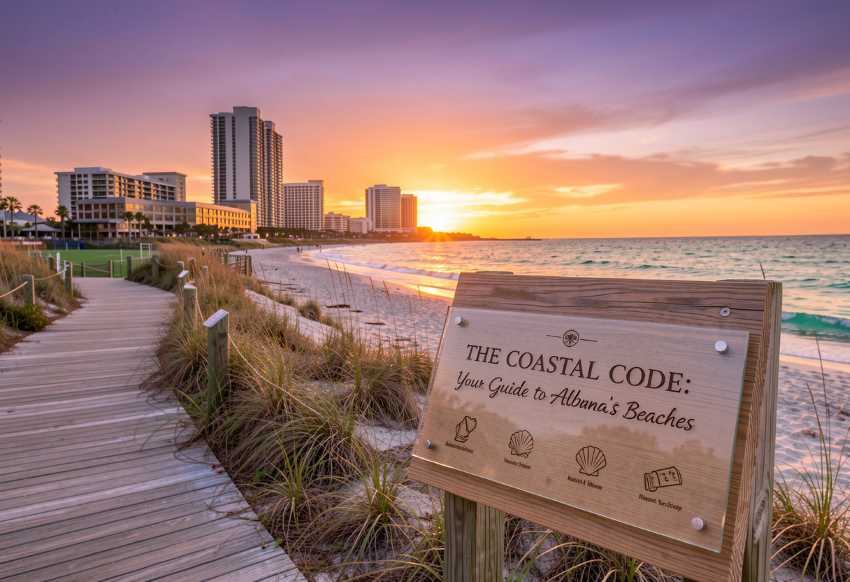
The evolution of how the destination is promoted was also a key theme of the summit. Since the inception of the tourism bureau in 1993, marketing strategies have shifted from broad-based advertising to more nuanced, value-driven campaigns. One of the most significant modern initiatives introduced is the “Coastal Code”.
The Coastal Code is being implemented as a comprehensive guide for visitors to navigate the destination responsibly. It is designed to foster a symbiotic relationship between travellers and the environment, ensuring that the natural beauty of the Alabama coast is preserved for future generations. By educating guests on local etiquette, environmental protection, and community values, the programme aims to cultivate a more mindful and respectful breed of tourist. This shift toward sustainable and ethical travel is expected to resonate deeply with modern travellers who prioritize environmental stewardship.
A Legacy of Coastal Hospitality
As Alabama’s beaches evolve, the emphasis remains on balancing growth with the high standard of living enjoyed by residents. The incorporation of new marketing concepts, record-breaking economic data, and forward-thinking infrastructure projects creates a picture of a destination that is not content to rest on its laurels. Instead, the Alabama coast is actively shaping itself into a premier global destination that provides more than just a sunny summer. Whether it’s the excitement of a fall sports tournament or a peaceful spring retreat guided by the Coastal Code, the region’s appeal is as timeless as the tides.
The post Why the Coastal Gems of Alabama are Surpassing Records as the Ultimate Year-Round Escape appeared first on Travel And Tour World.
Source: travelandtourworld.com



Sorry, the comment form is closed at this time.