

Why Zimbabwe’s Higher Park Fees Are a Sign of Better Things to Come for Tourists!
Why Zimbabwe’s Higher Park Fees Are a Sign of Better Things to Come for Tourists!
In a move that will directly impact travelers to some of Southern Africa’s most iconic destinations, Zimbabwe has announced significant increases in park fees, particularly at Victoria Falls and key safari locations across the country. The Zimbabwe Parks and Wildlife Management Authority (ZimParks) has officially implemented these hikes as part of a broader pricing strategy that introduces value-added tax (VAT) to the tourism sector. Starting in 2026, this change will elevate entrance and conservation fees, with implications for both leisure and luxury travelers.
For travel professionals, this update requires immediate attention. Clients booking trips to Victoria Falls, Mana Pools National Park, and other Zimbabwean wildlife hotspots must be aware of the new costs. The introduction of VAT is the driving force behind these increases, and while they may seem modest individually, they can add up significantly across itineraries. As international tourism continues to recover, these changes represent a shift toward a premium tourism model aimed at enhancing both conservation efforts and the quality of the visitor experience.
Victoria Falls: The Most Impacted by the New Pricing
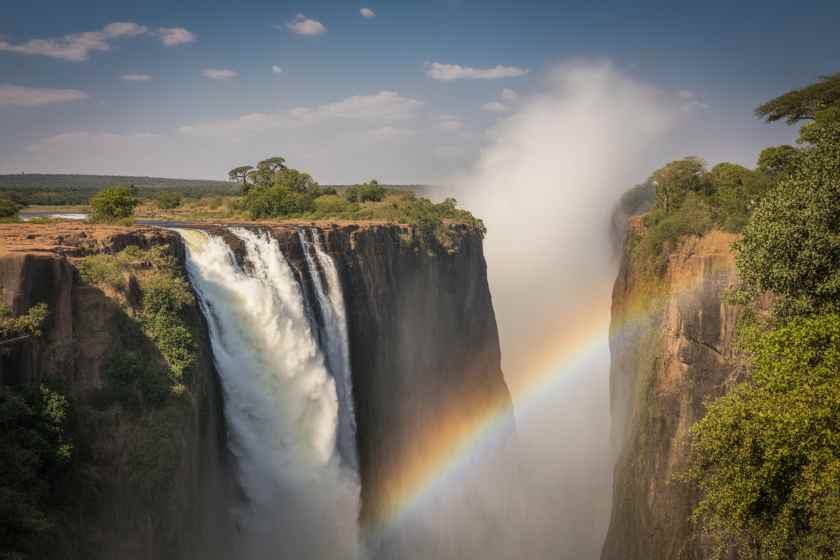
Victoria Falls, one of the Seven Natural Wonders of the World and a UNESCO World Heritage site, is at the heart of Zimbabwe’s tourism strategy. The new tariff structure has pushed the cost for international visitors entering the Victoria Falls Rainforest up from US$50 to US$58 per person per entry. This increase affects those visiting to experience the Falls’ famous views, as well as those hoping to capture the falls in different lighting conditions or water levels during their stay.
For luxury travelers, the price hikes are even more pronounced. Access to VIP Gate services has increased from US$150 to US$174 per person, while the exclusive Moonlight or Moonbow viewing experience, which can only be done under specific lunar conditions, has risen from US$100 to US$116. These premium experiences, already popular among those seeking a more personalized encounter with the Falls, are now priced at a level that reinforces their exclusivity.
Broader Impacts on Zimbabwe’s Safari and Wildlife Areas
Beyond Victoria Falls, the increases extend to Zimbabwe’s national parks and safari zones, including Mana Pools National Park, Sapi, and Chewore Safari Areas. Daily conservation fees have risen to US$24 per person per day for international visitors, adding a significant cost for multi-day safari packages.
For travel agents organizing longer safari tours or multi-destination trips, the new fees will affect the total package price. Agents will need to carefully calculate these increased costs, especially when organizing trips for families or large groups. While these higher fees are necessary to support conservation and anti-poaching efforts, agents need to communicate these changes to clients in advance, ensuring there are no surprises when it comes time to pay.
The Reasons Behind the Price Increases
The reason for these changes lies in Zimbabwe’s broader economic strategy and its focus on tourism as a key revenue source. The introduction of VAT on tourism services aims to plug financial gaps and ensure that funds raised from tourism activities are channeled directly into conservation efforts. The goal is to reduce the environmental impact of mass tourism and attract a higher caliber of visitors who are willing to pay more for an exclusive experience. This shift aligns with the global trend of high-value, low-volume tourism, where destinations prioritize quality and sustainability over quantity.
In practical terms, these new fees will support the park infrastructure, improve facilities for visitors, and fund conservation projects that protect the wildlife and landscapes around Victoria Falls and other wildlife areas. The goal is to elevate the overall tourist experience while ensuring that the natural environment is preserved for future generations.
Travel Planning: What This Means for Tourists
For agents, the key takeaway is clear: Zimbabwe’s tourism model is shifting toward premium experiences. While this will likely result in a better overall experience for travelers in terms of conservation, safety, and exclusivity, the increased costs may require adjustments to existing itineraries. For travelers on a budget, agents may need to explore alternative options or recommend combining visits to both Zimbabwe and Zambia to balance costs. For luxury travelers, the enhanced offerings at Victoria Falls and surrounding safari parks provide an excellent opportunity to market a more exclusive, high-end experience.
Booking strategies should include clear communication about the new park and conservation fees, as well as premium service offerings that align with clients’ preferences. Offering packages that include both Zimbabwe and Zambia could be an effective way to give clients a broader experience without overloading their budget on entry fees alone.
A Competitive Market: Zimbabwe vs. Zambia
While the price hikes in Zimbabwe might raise eyebrows, it’s important to remember that the Zambia side of Victoria Falls remains a competitive alternative, often priced lower for entry. This allows savvy agents to create itineraries that cross the border for a combination of Zambian and Zimbabwean experiences, offering visitors the best of both worlds—lower entry fees in Zambia paired with the premium experiences available on the Zimbabwe side.
For agents selling multi-country itineraries, combining these two experiences in one trip could offer travelers an opportunity to balance the costs while still experiencing the grandeur of Victoria Falls from both sides.
Moving Forward: What’s Next for Zimbabwe’s Tourism Sector?
As Zimbabwe looks to strengthen its tourism sector, the introduction of VAT and the increase in park fees signal the country’s ambition to compete globally by offering more premium, conservation-focused tourism experiences. As Zimbabwean tourism becomes more closely aligned with sustainable practices, the country is setting itself up as a top destination for those willing to pay for a world-class experience that also contributes to protecting its natural wonders.
For the African travel trade, keeping track of these developments and adjusting to the higher fees will be crucial. By being proactive and transparent with clients, agents can continue to successfully market Zimbabwe as a premier travel destination, offering unique, unforgettable experiences at Victoria Falls and beyond.
The post Why Zimbabwe’s Higher Park Fees Are a Sign of Better Things to Come for Tourists! appeared first on Travel And Tour World.
Source: travelandtourworld.com


Sorry, the comment form is closed at this time.