


United States Airlines Tightens Refund Policies for Downgrades and Wheelchair Claims Amid Growing Operational Concerns
United States Airlines Tightens Refund Policies for Downgrades and Wheelchair Claims Amid Growing Operational Concerns
American Airlines has made significant adjustments to its Contract of Carriage, introducing stricter rules concerning refunds for downgraded flights and damage claims related to wheelchairs. The airline’s latest policy revisions, aimed at improving operational efficiency, have raised concerns among travelers, especially those with mobility challenges and those who have paid a premium for business or first-class tickets. The changes include setting firm deadlines for reporting mobility device damage and capping downgrade refunds at 40% of the ticketed fare. These adjustments are part of a broader trend in the airline industry, with carriers such as United Airlines implementing similar measures to tighten operational control and reduce costs. The new policies could affect passengers across major hubs like Dallas/Fort Worth, where American Airlines operates some of its largest international and domestic flights. While these updates may streamline the airline’s processes, they could also create additional hurdles for passengers who rely on premium services and assistive devices.
24-Hour Wheelchair Damage Reporting: What You Need to Know
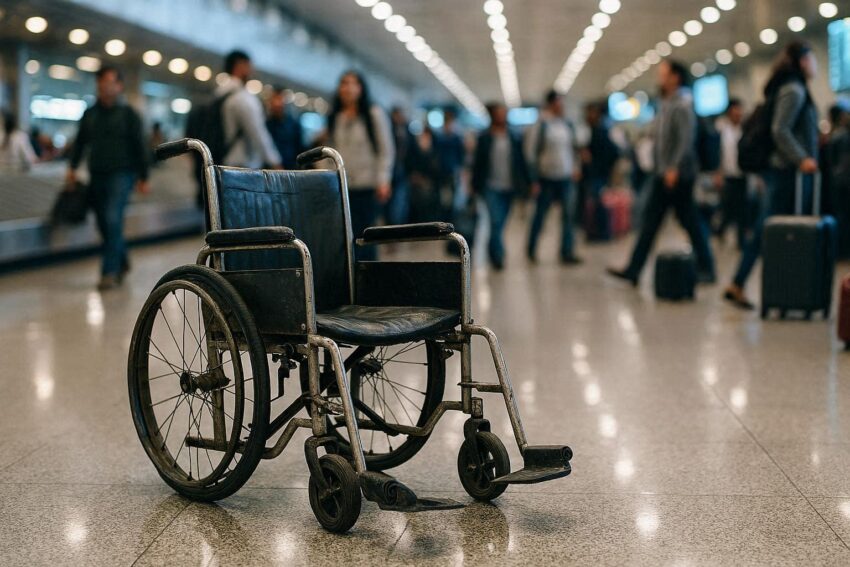
American Airlines has introduced a strict 24-hour reporting window for passengers to file claims related to damaged mobility devices. For domestic flights, this reporting requirement applies to both delayed deliveries and damaged wheelchairs. Travelers must report any issues within 24 hours of their flight’s arrival. The company cites operational reasons for the change, aligning with industry standards aimed at streamlining customer service processes and limiting liability. However, the decision has drawn criticism from passenger rights groups who argue that the short timeframe could prevent passengers from filing legitimate claims.
For international flights, the reporting timelines are slightly more lenient, with 21 days for delayed deliveries and 7 days for damage claims. Nevertheless, these deadlines still represent a significant shift in the airline’s policies, which previously lacked clear reporting windows for mobility device issues. With wheelchair damage often going unnoticed immediately after travel, this new system may place additional pressure on passengers to spot issues quickly and report them in time.
New Refund Structure for Downgrades: What Passengers Can Expect
In another major shift, American Airlines has revised its compensation policy for passengers who are involuntarily downgraded from premium cabins to economy class. Under the updated rules, passengers will receive a refund of 40% of the ticketed fare for the affected segment, which has sparked further debate among frequent flyers.
For instance, if a passenger purchases a business class ticket priced at $1,050 but is moved to economy due to overbooking or operational reasons, they will be entitled to a refund of only $420—a much smaller amount than many passengers might expect given the significant difference in service levels between premium cabins and economy class. Similarly, for international flights, where the price gap between cabins can be vast, the new refund formula could result in refunds that don’t align with the actual fare difference, which some see as a disservice to customers.
Many critics argue that the 40% refund rule fails to adequately address the discrepancies in ticket pricing, especially on flights where the price difference between business and economy can exceed several thousand dollars. For example, a business class ticket for a long-haul international route costing $5,000 might only yield a $2,000 refund, even though the passenger paid significantly more for the premium experience.
Passenger Rights and Regulatory Oversight
The U.S. Department of Transportation (DOT) plays a significant role in overseeing airline policies, particularly when it comes to passenger rights during downgrades and assistive device claims. However, while the DOT provides guidelines on fair treatment, passengers may find it challenging to have their disputes resolved individually. Complaints about damaged wheelchairs or downgraded tickets are often processed through the airline’s internal customer service and baggage service departments, which can sometimes lead to delays and frustrations.
Some consumer advocates suggest that a more transparent refund structure and clearer compensation policies are necessary to protect passengers’ interests. They also recommend that airlines, including American Airlines, adopt a refund model based on actual fare differences rather than a flat percentage. Customer satisfaction could improve significantly if airlines incorporated more flexibility into their refund policies, providing compensation that better matches the value of the premium services passengers have purchased.
Challenges with Filing Claims: Practical Concerns for Passengers
Travelers with disabilities or those relying on assistive devices may encounter several practical challenges when attempting to file damage claims. For example, some passengers may report damage to their wheelchair at the airport but fail to receive a formal claim number, making it harder to track the issue. In some cases, airport staff may categorize a reported issue as an assistance request rather than an official damage report, which can complicate the process of filing a claim.
Further complications arise when passengers are traveling on multi-airline itineraries. In these cases, the passenger might report the issue to the wrong airline, leading to even more confusion and delays in processing the claim. Moreover, some types of wheelchair damage, such as bent frames or electronic malfunctions, may not become apparent until later in the day or even the next day, often after the 24-hour reporting window has passed.
Looking Ahead: Potential Impact of American Airlines’ New Policies
The new policies introduced by American Airlines reflect the airline’s ongoing efforts to streamline operations and reduce overhead costs. However, these changes may have significant implications for passengers, especially those with mobility challenges or those who travel on premium tickets. While some passengers may find the new policies to be a minor inconvenience, others may feel that the airline’s decisions undermine the quality of service expected from a major international carrier.
Despite these concerns, American Airlines remains committed to improving its operational efficiency, and passengers will need to adapt to the evolving rules regarding wheelchair claims and downgrade compensation. For those relying on assistive devices or premium services, understanding the updated Contract of Carriage will be crucial in navigating the airline’s policies.
The post United States Airlines Tightens Refund Policies for Downgrades and Wheelchair Claims Amid Growing Operational Concerns appeared first on Travel And Tour World.
Source: travelandtourworld.com


Sorry, the comment form is closed at this time.