


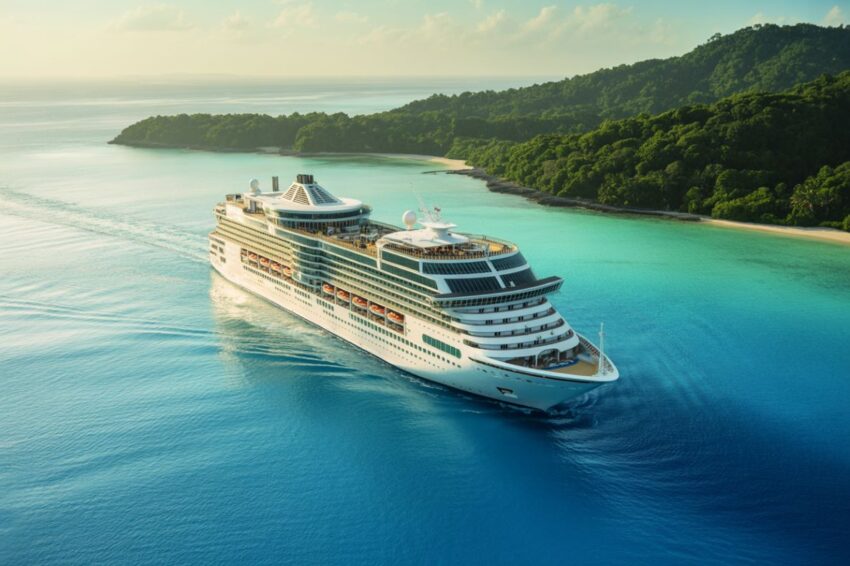
Cruise Industry’s Commitment to Environmental Sustainability and the Future of Green Technologies
Cruise Industry’s Commitment to Environmental Sustainability and the Future of Green Technologies
The cruise sector is making significant strides toward environmental responsibility, embracing innovative approaches to sustainability and eco friendly advancements. As the industry navigates towards a greener future, it is integrating cutting edge technologies to reduce its environmental impact, ensuring that sustainable practices are at the heart of its operations. With a strong focus on adopting green solutions, cruise lines are not only addressing climate concerns but also setting the stage for a more environmentally conscious tourism industry. This commitment to sustainable practices, fueled by innovative technologies, highlights the cruise industry’s dedication to shaping a better and cleaner future for both the planet and the communities it serves.
Pioneering Green Technologies in the Cruise Industry
Cruise lines are adopting cutting edge technologies aimed at reducing their environmental footprint. These innovations focus on minimizing energy consumption, reducing emissions, and promoting the use of renewable resources. From advanced exhaust gas cleaning systems to the use of cleaner fuels and energy efficient ships, the cruise industry is constantly investing in sustainable technologies.
One of the most notable advancements is the transition to LNG (liquefied natural gas), a cleaner fuel that reduces sulfur and carbon dioxide emissions. LNG powered ships are becoming more common, helping cruise lines meet environmental standards and decrease their reliance on traditional marine fuels. In addition to this, cruise ships are incorporating hybrid propulsion systems and renewable energy sources, such as solar and wind, to further cut down on energy usage.
Another area of innovation involves ship designs that prioritize fuel efficiency. New ships are being constructed with improved hull shapes and lighter materials, making them more fuel efficient while minimizing their overall environmental impact. The combination of these innovative technologies demonstrates the cruise industry’s commitment to reducing emissions and advancing sustainable practices.
Environmental Goals Aligned with Global Standards
The Cruise Lines International Association (CLIA) is an industry organization dedicated to supporting its members in their sustainability efforts. CLIA’s members are actively committed to adopting and advancing globally recognized environmental standards, such as those set by the United Nations Sustainable Development Goals (SDGs). The SDGs aim to address critical global challenges such as climate change, biodiversity loss, and social inequality. The cruise industry’s goals align closely with several of these objectives, underscoring its responsibility to not only reduce environmental impact but also contribute to a broader social mission.
By adhering to these global guidelines, CLIA members are working to implement sustainable practices that impact both local communities and the global environment. Their commitment extends beyond just operational changes but also includes partnerships with environmental organizations, research on ecological conservation, and advocating for stronger regulatory frameworks.
Key Sustainable Development Goals Supported by the Cruise Industry
The cruise sector has specifically identified several United Nations SDGs where it can make significant contributions. These include:
Climate Action: Cruise lines are reducing carbon emissions through the use of cleaner fuels and energy efficient technologies. Additionally, companies are investing in carbon offset programs to neutralize the environmental impact of their operations.
Sustainable Cities and Communities: The cruise industry works to develop responsible tourism practices. By supporting local economies and implementing eco conscious tourism models, cruise lines contribute to building sustainable, resilient communities.
Good Health and Well-Being: The industry is also focused on health and well being by ensuring that its operations maintain safe and healthy environments for passengers and crew members. Furthermore, the industry supports global health initiatives through philanthropic projects.
Life Below Water: Protecting the oceans is a key priority for the cruise industry. The introduction of advanced wastewater treatment systems, reduced plastics usage, and the development of eco friendly waste management systems have all contributed to preserving marine ecosystems.
Life on Land: By reducing the environmental footprint of their operations, cruise lines are also helping to preserve terrestrial ecosystems. This includes promoting sustainable sourcing of goods and supporting environmental conservation projects on land.
Cruise Lines’ Collective Efforts to Make a Difference
As part of the global effort to make the cruise industry more sustainable, CLIA member cruise lines have united to set ambitious collective sustainability targets. These goals include achieving net zero greenhouse gas emissions by 2050, eliminating the use of non recyclable plastics, and reducing waste generation. The combined efforts of cruise lines to make their operations more sustainable will have a positive effect on both the environment and local communities.
Cruise lines are also investing in environmental research and collaborating with international organizations to enhance their sustainability efforts. They are committed to sharing best practices and working with governments to ensure that regulations are aligned with global environmental goals. The industry’s proactive stance on sustainability is positioning it as a leader in environmentally responsible tourism.
Local Impact, Global Reach
While the cruise industry has a global presence, it is important to note the local impact that these sustainability initiatives have. By reducing emissions, supporting local economies, and investing in eco friendly technologies, cruise lines are improving the sustainability of the regions they visit. In many cases, cruise companies partner with local organizations to support environmental projects and conservation efforts. Whether it’s reducing plastic waste in local waters or promoting sustainable tourism practices in coastal towns, the positive impact of these initiatives extends far beyond the cruise ship itself.
A Commitment to a Greener Future
In conclusion, the cruise sector is firmly dedicated to environmental preservation and shaping the future of sustainable technologies. By investing in innovative green solutions and adopting cleaner fuels, such as LNG, alongside hybrid propulsion systems, the industry is making significant strides toward reducing its environmental footprint. Through these technological advancements, cruise lines are not only meeting global standards but also playing a pivotal role in driving forward the broader mission of sustainability. The integration of eco friendly practices, adherence to global sustainability goals, and commitment to reducing emissions all reflect the cruise industry’s unwavering determination to ensure a greener, more sustainable future. These efforts emphasize the industry’s responsibility toward both the environment and local communities, highlighting its proactive approach in promoting eco conscious tourism.
The post Cruise Industry’s Commitment to Environmental Sustainability and the Future of Green Technologies appeared first on Travel And Tour World.
Source: travelandtourworld.com


Sorry, the comment form is closed at this time.