


Discovering the Dragon in the Snow: China Launches New Winter Tourism Routes for Mongolian Travelers
Discovering the Dragon in the Snow: China Launches New Winter Tourism Routes for Mongolian Travelers
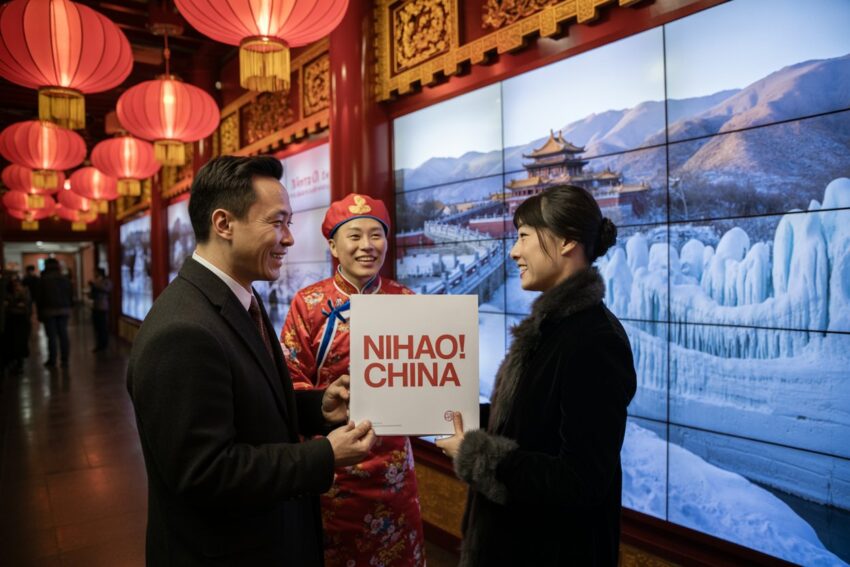
As the frost settles over the vast steppes of Mongolia, a new warmth is brewing in the heart of Ulan Bator. On February 6, 2026, the China Cultural Center became a hub of vibrant energy as China’s Ministry of Culture and Tourism, alongside the Chinese Embassy in Mongolia, unveiled a series of “Nihao! China” winter tourism routes specifically curated for Mongolian travelers.
This isn’t just a marketing campaign; it is an invitation to witness a transformation. For years, the flow of travel between these two neighbors has been steady, but 2026 marks a shift toward “emotional resonance” and deep cultural immersion.
A Partnership Carved in Ice
The event brought together nearly 100 key figures, including heads of travel agencies and tourism officials from both nations. The atmosphere was one of shared vision. Badral, a representative of the Mongolian Tourism Association, noted that China has long held its position as one of the most beloved outbound destinations for Mongolians.
However, the “new” China tourism experience is moving away from generic sightseeing. The latest itineraries have been meticulously tailored to the specific interests and habits of Mongolian tourists—prioritizing ease of travel, cultural familiarity, and the spectacular visual drama of China’s northern provinces.
The Magic of the “Ice and Snow” Itinerary
What exactly does winter in China look like for a modern traveler? It is a sensory blend of the ancient and the futuristic. The newly promoted routes focus on “Ice and Snow Tourism,” a sector that has seen a massive boom in China following the legacy of the Winter Olympics.
The itineraries showcased in Ulan Bator go beyond the famous Harbin Ice Festival. They integrate the “Spring Festival” (Lunar New Year) as a core pillar of the experience. Tourists aren’t just looking at ice sculptures; they are participating in the “Glow-up” of traditional Chinese cities.
Visual Appeal: Photography exhibitions at the event displayed the ethereal beauty of frozen lakes and neon-lit ice palaces.
Experiential Engagement: Travelers are encouraged to participate in traditional folk customs, from dumpling making to lantern festivals.
Emotional Resonance: By aligning travel dates with the Spring Festival, the routes allow Mongolian families to experience the universal themes of reunion, celebration, and hope that define the season.
Bridging Cultures at the Ulan Bator Cultural Center
The event itself served as a microcosm of the travel experience. A dedicated cultural experience zone allowed guests to step into a miniature version of a Chinese winter. Decorated with traditional Spring Festival ornaments—red lanterns, intricate paper cuttings, and couplets—the venue allowed Mongolian agency heads to “experience” the product before selling it to their clients.
This hands-on approach is vital. In the digital age, tourism is sold through stories. By allowing Mongolian tourism leaders to touch, see, and feel the cultural charm of a Chinese winter, the organizers have ensured that the stories told to prospective travelers in Ulan Bator will be authentic and passionate.
Why Now? The Post-2025 Travel Boom
As we move into early 2026, the global travel landscape has shifted toward “slow travel” and “cultural authenticity.” Mongolian tourists are increasingly looking for destinations that offer more than just shopping; they want a story to tell.
The proximity of China makes it an ideal choice for short-to-medium haul winter breaks. With streamlined visa processes and increased cross-border connectivity, the “Nihao! China” initiative is perfectly timed to capture the hearts of those looking for a winter adventure that feels both exotic and welcoming.
A Sustainable Future for Cross-Border Tourism
The collaboration between the Mongolian Tourism Association and Chinese tourism departments signifies more than just a seasonal boost. It represents a commitment to sustainable, year-round tourism. By diversifying the offerings—shifting focus from summer grasslands to winter wonderlands—both nations are working to balance the tourism load and provide steady economic opportunities for local communities on both sides of the border.
As Badral emphasized during the event, these tailored itineraries are expected to “further boost the popularity of travel to China.” It is a sentiment echoed by many in the room who see 2026 as a landmark year for Mongolian outbound travel.
Conclusion: The Warmth of Winter
While the temperatures outside the China Cultural Center in Ulan Bator may have been sub-zero, the spirit of cooperation was anything but cold. Through ice, snow, and the red glow of the Spring Festival, China is opening its doors wider to its northern neighbors.
For the Mongolian traveler, the message is clear: The dragon is waiting in the snow, ready to offer a winter experience that is as culturally rich as it is visually stunning.
The post Discovering the Dragon in the Snow: China Launches New Winter Tourism Routes for Mongolian Travelers appeared first on Travel And Tour World.
Source: travelandtourworld.com


Sorry, the comment form is closed at this time.